What Is Argan Oil? Everything You Need to Know
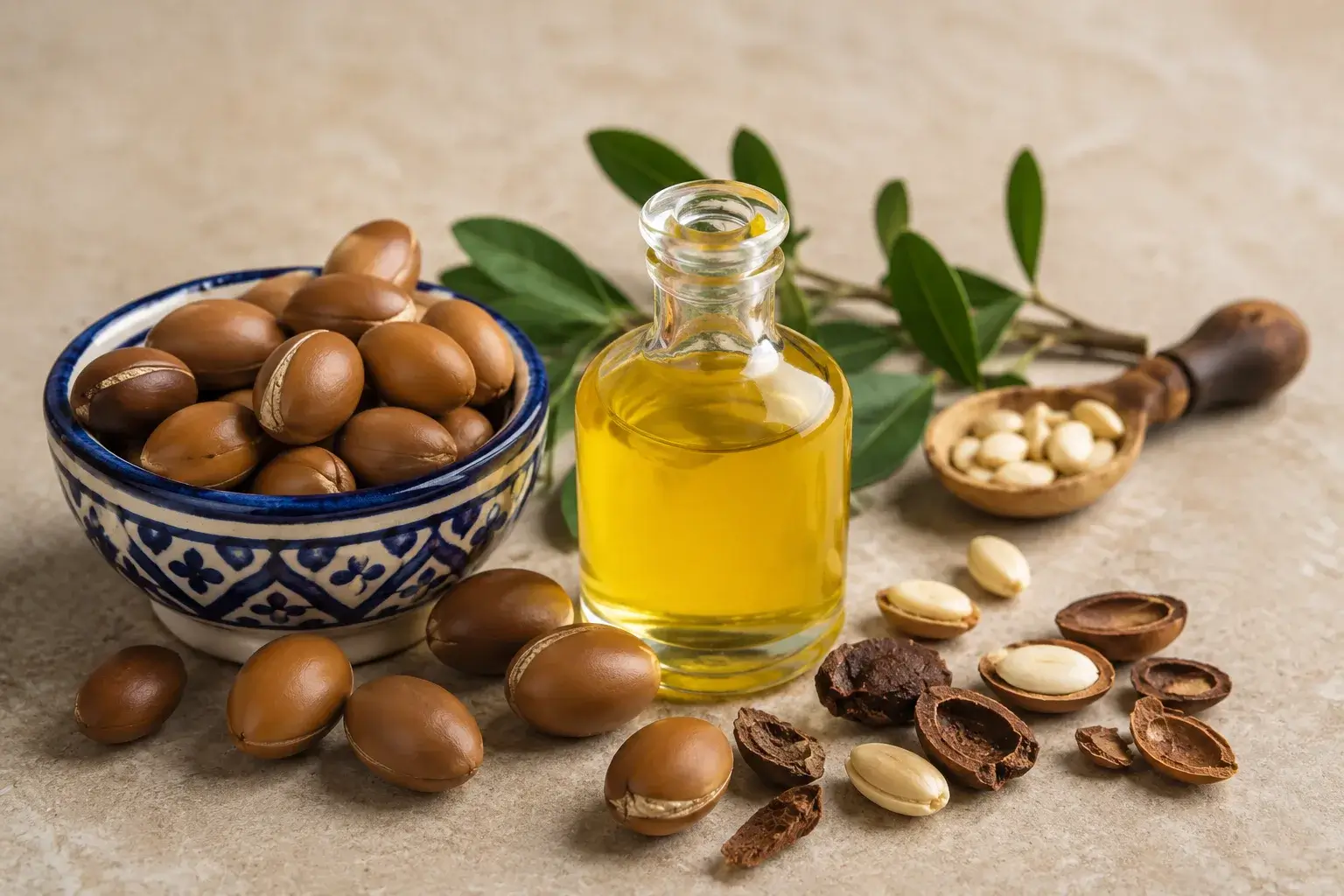
Often referred to as "Moroccan Liquid Gold," argan oil has grown from a centuries-old local cosmetic secret into one of the most revered natural ingredients in modern personal care and culinary worlds. Derived from the kernels of the Argania spinosa tree, indigenous exclusively to southwestern Morocco, this multipurpose oil possesses a rare concentration of essential fatty acids, antioxidants, and vitamins that deliver dramatic benefits for skin, hair, and overall wellness.
Whether you are looking to revitalize dry hair, repair a damaged skin barrier, or understand how raw ingredients transition from rural cooperatives to global market shelves, this comprehensive guide covers everything you need to know about argan oil.
The Origin and Botanical Heritage of Argan Oil
The argan tree is a resilient, drought-resistant species native to the semi-arid lands of the Souss Valley in Morocco. Recognized for its unique environmental importance, the region was designated a UNESCO Biosphere Reserve in 1998. The roots of the argan tree dig deep into the earth to prevent desertification, stabilizing the delicate ecosystem of southwestern Morocco.
For centuries, indigenous Amazigh women harvested the fallen fruit of the argan tree, cracked the outer nut by hand using stones, and cold-pressed the inner kernels to extract pure argan oil. Today, while modern mechanical presses have refined the extraction process to maximize purity and shelf life, the socio-economic framework remains rooted in women-led cooperatives that provide sustainable livelihoods across rural communities.
Cosmetic vs. Culinary Argan Oil: What Is the Difference?
A common point of confusion for consumers and formulators alike is the difference between cosmetic-grade and culinary-grade argan oil. While both originate from the same tree kernels, their processing and end applications differ significantly:
| Feature | Cosmetic Argan Oil | Culinary Argan Oil |
|---|---|---|
| Preparation | Unroasted, raw kernels | Lightly roasted kernels |
| Aroma | Subtle, nutty, slightly earthy | Rich, toasted nut aroma |
| Color | Pale golden yellow | Deeper amber / bronze tint |
| Primary Uses | Facial serums, hair treatments, body oils | Salad dressings, dipping, culinary finishing |
| Key Characteristic | Preserves delicate skin-nourishing vitamins | Elevated flavor profile and heat stability |
Cosmetic argan oil is cold-pressed directly from unroasted kernels. Preserving raw seeds prevents thermal degradation of essential nutrients, ensuring maximum concentration of vitamin E, sterols, and active fatty acids ideal for skin repair and hair hydrators.
Chemical Composition: What Makes Argan Oil So Effective?
The therapeutic efficiency of argan oil stems directly from its lipid structure and potent antioxidant bioactive compounds. Chemical analyses, such as those documented by the National Center for Biotechnology Information (NCBI), show that argan oil primarily consists of:
- Oleic Acid (42% – 48%): A monounsaturated omega-9 fatty acid that enhances lipid barrier permeability, allowing deep hydration and softness.
- Linoleic Acid (30% – 38%): An essential omega-6 polyunsaturated fatty acid crucial for maintaining epidermal integrity, strengthening skin lipids, and balancing sebum production.
- Tocopherols (Vitamin E): Argan oil contains roughly twice the concentration of Tocopherol found in olive oil. Tocopherols act as powerful scavengers of free radicals, protecting cellular structures against environmental oxidative stress.
- Squalene: A lipid compound naturally occurring in human sebum that provides exceptional emollient properties without clogging pores.
- Plant Sterols (Schottenol and Spinasterol): Rare phytosterols known for anti-inflammatory properties that help calm irritated skin conditions.
Key Benefits of Argan Oil for Skin
Incorporating pure cold-pressed argan oil into daily skincare routines yields noticeable structural improvements across diverse skin types:
1. Deep Moisture and Barrier Repair
By mimicking the natural lipid matrix of the skin, argan oil replenishes lost moisture without feeling heavy or greasy. Its balanced ratio of oleic and linoleic acids helps seal intercellular moisture gaps, reducing transepidermal water loss (TEWL) and soothing raw, dry patches.
2. Balanced Sebum and Acne Support
Contrary to the myth that applying facial oil causes breakouts, argan oil boasts a non-comedogenic rating (0 out of 5). Its high linoleic acid content actively helps balance sebum composition in acne-prone individuals, who frequently suffer from linoleic-deficient skin oil that leads to clogged pores.
3. Anti-Aging and Cellular Defense
Exposure to ultraviolet light and urban pollution generates free radicals that break down collagen fibers. The synergistic action of vitamin E, ferulic acid, and squalene in pure argan oil neutralizes these reactive molecules, protecting firm skin structure and reducing fine lines.
Key Benefits of Argan Oil for Hair and Scalp
Hair care formulators and professional stylists consistently turn to argan oil to solve core mechanical and structural hair concerns:
- Frizz Control and Elasticity: Small lipid molecules penetrate the hair cuticle, coating individual shafts to smooth down lifted cuticles and lock out humidity.
- Thermal Protection: Applying a few drops prior to heat styling creates a lightweight thermal barrier, dampening heat degradation caused by irons and dryers.
- Scalp Conditioning: Antimicrobial and soothing phytosterols ease dry, itchy scalps, moisturizing flake-prone skin while feeding follicles a nutrient-dense environment.
How to Spot High-Quality, Authentic Argan Oil
Because pure argan oil requires laborious harvesting and processing, counterfeit or diluted products are common in retail markets. To ensure you are utilizing pure, unadulterated argan oil, evaluate these physical attributes:
1. Scent
Pure cosmetic argan oil has a distinct, faint, nutty aroma that dissipates quickly upon application. Unscented argan oil that smells completely odorless has often been deodorized using aggressive high-heat or chemical bleaching, which degrades sensitive bio-nutrients. Conversely, an overpowering pungent or sour smell signals rancidity.
2. Texture and Absorption
Authentic argan oil feels smooth, silky, and rich without feeling watery or sticky. It absorbs steadily into the dermis within minutes, leaving behind a subtle satin sheen rather than a heavy, slippery film.
3. Appearance and Packaging
Pure argan oil should be packaged in dark amber or cobalt blue glass bottles to shield its light-sensitive fatty acids from photolytic breakdown. Clear plastic containers degrade oil quality over time. Pure unrefined oil may also display minor sediment at the bottom of the bottle—a natural sign of cold-press filtration.
Complementary Moroccan Beauty Ingredients
In traditional Moroccan hammam rituals, argan oil is rarely used in isolation; rather, it serves as the finalizing moisturizing step in a holistic cleansing sequence. Understanding how argan oil pairs with traditional skincare elements reveals the depth of Moroccan cosmetic heritage:
- Black Beldi soap: Made from saponified olive oil and crushed black olives, this traditional paste thoroughly cleanses and prepares the skin by softening dead surface cells.
- Rhassoul clay benefits: Sourced from the Atlas Mountains, mineral-rich rhassoul clay absorbs excess oil and cleanses pores prior to applying nourishing argan oil.
- Nila powder for hyperpigmentation: A natural blue mineral pigment traditional in Moroccan remedies, often mixed with argan oil or yogurt masks to brighten dull skin tone.
- Moroccan black soap benefits: Serves as an essential skin-purifying base that opens the skin to receive the maximum moisturizing impact of post-bath argan oil application.
For brands and beauty businesses looking to create clean cosmetic lines or source authentic raw materials, consulting our detailed wholesale argan oil guide offers complete clarity on international purity testing, documentation, and ethical supply chain standards.
Frequently Asked Questions About Argan Oil
Does argan oil clog pores?
No. Argan oil has a comedogenic rating of 0, meaning it will not clog pores. Its lipid profile is light and compatible with most skin types, including oily and sensitive skin.
Can I leave argan oil in my hair overnight?
Yes. Using pure argan oil as an overnight hair treatment allows fatty acids to deeply hydrate damaged cuticles. Wash hair thoroughly with shampoo the following morning to remove excess oil.
How long does pure argan oil last?
When stored in a cool, dark environment inside a sealed glass bottle, pure unrefined argan oil typically maintains its potency for 18 to 24 months.
Is argan oil safe for facial use every day?
Yes. Applying 2 to 3 drops to clean, slightly damp facial skin morning and night provides safe, daily hydration and antioxidant protection.
Conclusion
Understanding what argan oil is reveals why it remains an unmatched staple in clean beauty. From its botanical origins in Morocco's UNESCO reserve to its potent blend of vitamin E, antioxidants, and essential fatty acids, cold-pressed argan oil provides restorative care for skin, hair, and body. By selecting pure, unrefined oil packaged in dark glass, you unlock the full benefits of this ancient, botanical miracle.