Buy Bulk Organic Argan Oil Morocco | Wholesale Guide
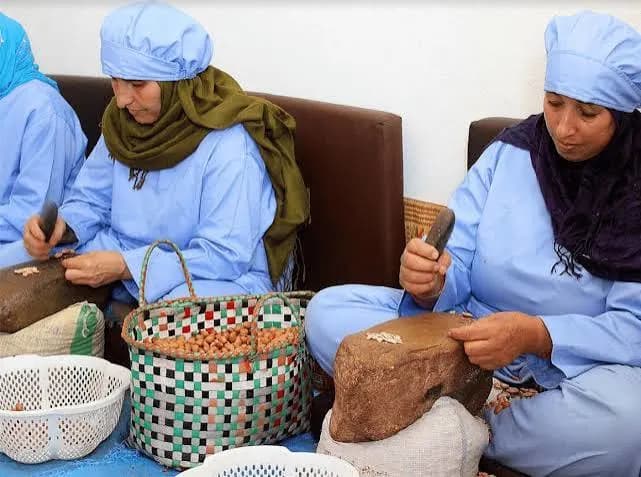
Introduction: Navigating the Global Market for Authentic Moroccan Argan Oil
Moroccan Argan oil (Argania spinosa kernel oil), often referred to as "liquid gold," has established itself as an essential staple in the international cosmetics, personal care, and wellness industries. Renowned for its unique concentration of essential fatty acids (specifically oleic and linoleic acids), vitamin E (tocopherols), and sterols, pure Argan oil remains one of the most sought-after ingredients for luxury hair serums, facial oils, body moisturizers, and anti-aging formulations.
However, as global demand has expanded, so too has market complexity. Procurement managers, cosmetic formulators, and brand owners seeking to purchase pure organic Argan oil in bulk face significant challenges regarding supply chain transparency, quality verification, purity testing, and international compliance. Navigating regional sourcing from Morocco requires a thorough understanding of extraction methods, analytical testing, regulatory certifications, and bulk shipping logistics.
This comprehensive wholesale guide details everything commercial buyers must evaluate when procuring premium organic Argan oil in bulk directly from Moroccan origin, ensuring product efficacy, regulatory compliance, and supply chain security.
1. Understanding Argan Oil Grades and Processing Methods
Not all Argan oil is processed equally. The performance, aroma, shelf life, and biochemical composition of bulk Argan oil depend fundamentally on the raw nut selection and the extraction techniques utilized at the production facility.
A. Cosmetic Grade vs. Culinary Grade
The primary distinction between cosmetic and culinary Argan oil lies in the preparation of the kernels before pressing:
- Cosmetic Grade Argan Oil: Cold-pressed directly from raw, unroasted Argan kernels. This preserves the natural light golden color, raw tocopherols, and subtle, nutty aroma. It absorbs quickly into the skin without leaving a greasy residue.
- Culinary Grade Argan Oil: Produced by lightly roasting the kernels prior to pressing. Roasting imparts a deep amber color and a rich, toasted aroma suited for food applications. Culinary Argan oil should not be used in skin or hair care formulations due to its scent and heat-altered lipid profile.
B. Cold-Pressed Mechanical Extraction vs. Solvent Extraction
To qualify as premium or organic, wholesale Argan oil must be extracted using mechanical cold-pressing methods without synthetic solvents or chemical refining agents. Mechanical screw-pressing keeps temperatures low (ideally under 45°C / 113°F), preserving bio-active antioxidant compounds and fatty acids. Solvents like hexane yield higher volume at lower costs but strip beneficial minor lipids and destroy organic certifications.
2. Essential Technical Specifications & Quality Parameters
When evaluating suppliers and reviewing a Certificate of Analysis (CoA) for bulk shipments, cosmetic purchasers should verify specific chemical parameters to confirm freshness, purity, and authenticity.
| Technical Parameter | Standard Industry Specification (Cosmetic Pure) | Significance for Bulk Buyers |
|---|---|---|
| Appearance & Color | Clear, light golden yellow liquid | Darkening indicates oxidation or improper heating during pressing. |
| Odor | Faint, characteristic nutty scent | Strong, pungent, or rancid odors signal oxidative degradation. |
| Free Fatty Acid Value (FFA) | < 1.0% (as oleic acid) | Lower FFA indicates minimal hydrolysis and higher oil quality. |
| Peroxide Value (PV) | < 5.0 meq O₂/kg | Measures primary oxidation. Lower values reflect fresh, stable oil. |
| Fatty Acid Profile (Oleic) | 43.0% – 49.0% | Core monounsaturated fatty acid responsible for skin hydration. |
| Fatty Acid Profile (Linoleic) | 29.0% – 36.0% | Essential omega-6 fatty acid supporting skin barrier repair. |
| Specific Gravity (20°C) | 0.908 – 0.918 g/cm³ | Confirms density matches pure Argan oil standard. |
"Strict monitoring of fatty acid distribution and sterol composition provides the definitive baseline for detecting adulteration of high-value botanical oils with cheaper seed oils." — Chemical Characterization Standards, International Organization for Standardization (ISO).
3. Required Regulatory Certifications for International Import
To successfully clear customs and meet international cosmetic compliance regulations in North America, Europe, and Asia, imported bulk shipments must carry valid regulatory certifications from recognized authorities.
Organic Certifications (USDA Organic & ECOCERT / EU Organic)
To market bulk or packaged Argan oil as "Certified Organic," the entire production line—from wild forest harvesting to cold-pressing and packaging—must be audited. ECOCERT and USDA Organic standards mandate that no synthetic fertilizers, pesticides, or chemical solvents are used during harvest or processing.
National Hygiene & Sanitary Authorizations (ONSSA)
In Morocco, the National Office for Food Safety (ONSSA) governs processing hygiene, sanitary conditions, and facility safety. Foreign importers should ensure their supplier holds active ONSSA authorization for international export.
Safety Data Sheets (SDS) and Technical Documentation
Every commercial bulk order must be accompanied by comprehensive documentation for formulators and customs officers, including:
- Certificate of Analysis (CoA): Batch-specific lab results detailing physical and chemical constants.
- Safety Data Sheet (SDS/MSDS): Toxicological profiles, handling procedures, and hazard evaluations required under REACH and OSHA standards.
- Technical Data Sheet (TDS): Recommended usage rates, solubility data, and physical attributes.
- Certificate of Origin: Verified documentation confirming origin within authorized regions of Morocco.
4. Expanding Your Wholesale Catalog: Complementary Moroccan Ingredients
While organic Argan oil is frequently the flagship product for cosmetic brands expanding their raw ingredient inventory or private label collections, importing directly from Morocco allows buyers to consolidate shipping costs by combining orders with other traditional, high-demand natural products.
Consider pairing bulk Argan oil imports with these complementary Moroccan ingredients:
- Clays and Mineral Washes: Incorporating pure Rhassoul clay into your formulation matrix offers mineral-rich options for detoxification masks and clarifying hair treatments.
- Traditional Soaps: Exploring the formulations of authentic black Beldi soap allows brands to tap into traditional spa rituals. Understanding what Moroccan black soap is and its benefits provides a solid foundation for introducing luxury body treatments.
- Botanical Brighteners: Formulators targeting uneven skin tones often pair Argan oil with natural pigments like Nila powder for hyperpigmentation.
- Spa Accessories: Professional skincare lines and bath retail brands frequently bundle bulk oils and soaps alongside authentic physical exfoliation tools, such as learning how to use a Kessa glove for smooth skin to offer complete body treatment systems.
5. Bulk Packaging, Storage, and Logistics Considerations
Maintaining the structural integrity of bulk cold-pressed Argan oil during international transit requires specific packaging protocols and temperature controls.
Packaging Options for Wholesale Procurement
- High-Density Polyethylene (HDPE) Drums (25 kg / 200 kg): Standard food-grade and cosmetic-grade containers providing durable UV protection and chemical resistance.
- Intermediate Bulk Containers (IBC Totes - 900 kg / 1000 kg): Ideal for large-scale cosmetic manufacturing plants requiring automated pump transfers.
- Stainless Steel Drums: Recommended for extended transit times or long-term storage to eliminate any risk of oxygen transmission or plasticizer leaching.
Shelf Life and Storage Conditions
Unopened cold-pressed organic Argan oil typically carries a shelf life of 18 to 24 months when stored correctly. To avoid premature oxidation:
- Store drums between 15°C and 25°C (59°F–77°F).
- Keep containers tightly sealed away from direct sunlight, moisture, and high thermal fluctuation.
- Consider nitrogen flushing (nitrogen blanketing) top space in drums prior to sealing for ocean freight shipments.
6. Wholesale Procurement Step-by-Step Checklist
When entering contract negotiations with a supplier in Morocco, executing a structured sourcing process mitigates commercial risk and guarantees product quality.
Step 1: Request Pre-Shipment Samples & Independent CoA
Always order samples from the actual batch slated for export rather than generic sales samples. Conduct third-party gas chromatography-mass spectrometry (GC-MS) testing if ordering high volumes to confirm the lipid composition.
Step 2: Verify Incoterms & Freight Methods
Understand the commercial terms agreed upon. Standard Incoterms include:
- FOB (Free on Board - Port of Casablanca / Agadir): The buyer assumes responsibility for ocean or air freight once goods are loaded onto the vessel in Morocco.
- CIF (Cost, Insurance, and Freight): The supplier manages transit and marine insurance to the destination port.
- DDP (Delivered Duty Paid): The supplier manages end-to-end logistics, import clearance, tariffs, and final warehouse delivery.
Step 3: Minimum Order Quantities (MOQ) and Payment Terms
Evaluate MOQ thresholds against trial sizes. Commercial suppliers typically set bulk MOQs starting at 25 kg for specialty cosmetic orders, scaling up to full container loads (FCL) for enterprise distributors. Ensure clear terms regarding advance deposits, balance payments against Bill of Lading (B/L) release, and quality dispute windows.
Frequently Asked Questions (FAQ)
What is the shelf life of bulk organic Argan oil?
Properly stored in airtight, light-protected drums at ambient temperatures (15°C–25°C), unrefined cold-pressed organic Argan oil has a shelf life of 18 to 24 months from the date of pressing.
How can cosmetic buyers detect diluted or adulterated Argan oil?
Adulteration with cheaper plant oils (such as sunflower, soy, or olive oil) can be identified by reviewing gas chromatography test results for sterol distribution and fatty acid spectrums. Deviations in campesterol, stigmasterol, or total oleic/linoleic ratios signal dilution.
What is the difference between FOB and CIF when importing from Morocco?
Under FOB (Free on Board), the supplier handles customs clearance and loading at the port of departure (e.g., Casablanca), while the buyer pays for ocean/air freight and insurance. Under CIF (Cost, Insurance, and Freight), the supplier covers shipping costs and insurance to the destination port.
Does bulk organic Argan oil require thermal control during shipping?
While Argan oil is relatively stable during short transport periods, prolonged exposure to temperatures above 30°C (86°F) accelerates oxidation. Air freight or temperature-controlled sea freight is recommended for long-distance international transit during summer months.
Conclusion: Establishing a Secure Bulk Supply Chain
Procuring premium organic Argan oil in bulk from Morocco offers brand owners, formulators, and distributors a distinct competitive edge in the global natural beauty market. By establishing strict quality criteria, demanding complete analytical testing (CoA), verifying organic compliance, and partnering with verified export facilities, buyers can secure a consistent, high-grade supply of one of the world's most valuable cosmetic lipids.