Nila Powder for Hyperpigmentation: Does It Really Work?
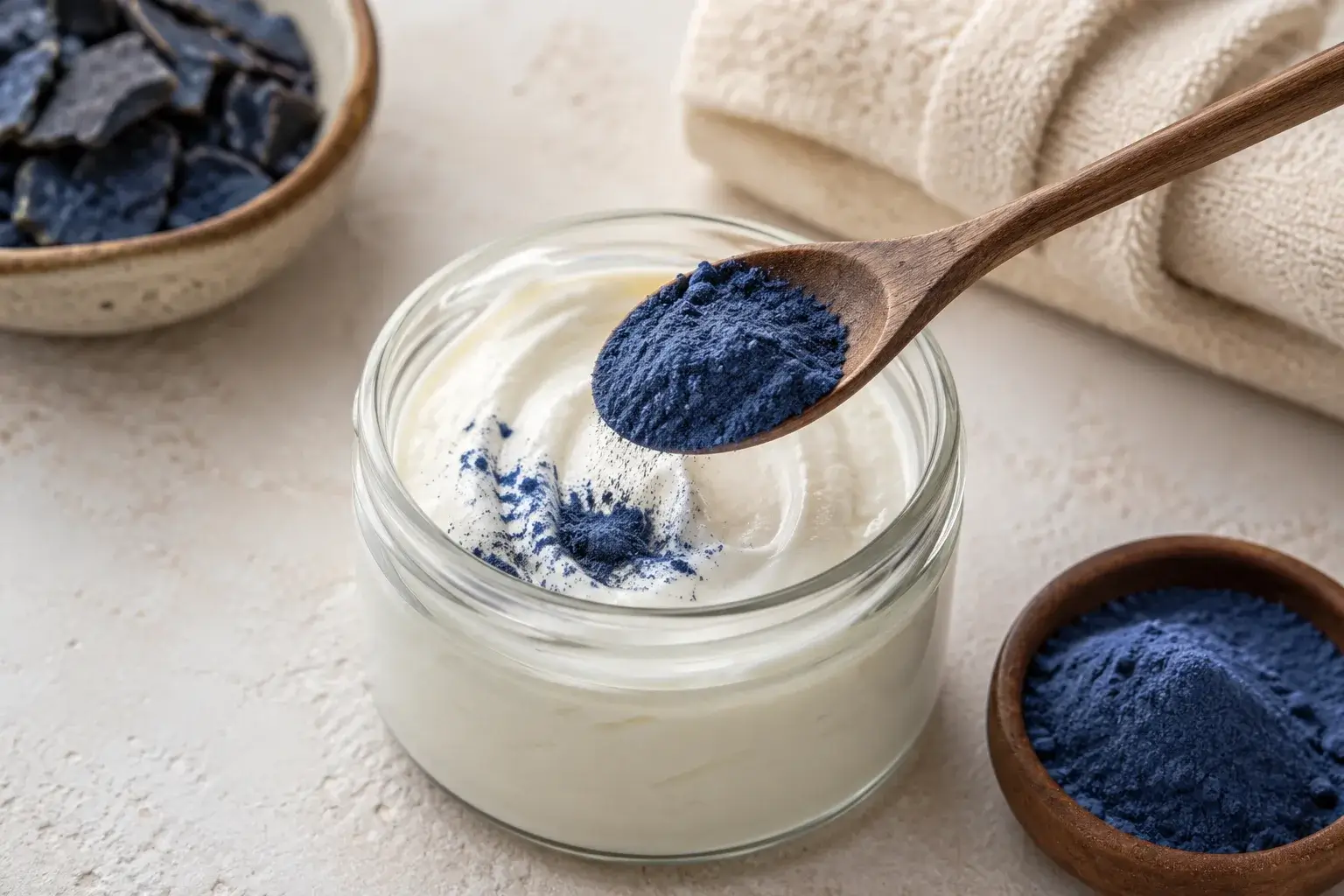
In recent years, natural skincare enthusiasts and social media platforms have turned their spotlight toward a vivid royal-blue powder rooted deep in North African heritage: Nila powder (often called Nila Zarka). Renowned in Moroccan hammams and Sahrawi beauty rituals for centuries, this striking blue ingredient is frequently hailed as a secret weapon for brightening dull skin, fading dark spots, and evening out stubborn skin tone.
With hyperpigmentation remaining one of the most persistent skin concerns globally, it is natural to ask: Does Nila powder really work for hyperpigmentation, or is it simply a viral cosmetic fad?
In this guide, we will unpack the science and traditional wisdom behind Nila powder. We will explore how it interacts with dark spots, what results you can realistically expect, how to identify authentic Nila, and the exact step-by-step methods to integrate it safely into your skincare routine.
What Is Nila Powder?
Nila powder is a natural blue pigment sourced primarily from the dried leaves of specific indigo-bearing plants, such as Indigofera tinctoria, or derived through traditional mineral-herbal preparations unique to the Sahara region of Morocco. Historically, Sahrawi women used Nila to protect their skin from the harsh desert sun, reduce inflammation, and maintain a bright, luminous complexion.
Unlike synthetic blue colorants used in modern cosmetics, pure Moroccan Nila is a bio-botanical ingredient rich in naturally occurring anti-inflammatory compounds and micro-nutrients. In traditional North African cosmetics, it is revered not only for its distinct shade but also for its gentle soothing and tone-correcting properties.
Authentic Nila vs. Counterfeit Blue Powders
Because of Nila’s surge in popularity, counterfeit versions have flooded the market. Synthetic chemical dyes, industrial blue pigments, or crushed chemical chalk are sometimes mislabeled as natural Nila powder. Using fake Nila can cause contact dermatitis, clogged pores, and heavy skin staining. Authentic Nila powder should feel ultra-fine, have an organic subtle scent (or no scent at all), and dissolve smoothly into carrier oils, yogurt, or floral hydrosols without leaving persistent chemical stains on the skin.
Understanding Hyperpigmentation: How Dark Spots Form
To evaluate whether Nila powder is effective, it helps to understand what hyperpigmentation actually is. Hyperpigmentation occurs when the skin produces excess melanin—the natural pigment responsible for skin, hair, and eye color. This overproduction can be triggered by several factors:
- Post-Inflammatory Hyperpigmentation (PIH): Dark marks left behind after acne breakouts, eczema flares, or physical skin trauma.
- Sun Exposure (Solar Lentigines): UV rays stimulate melanocytes, leading to sunspots or age spots.
- Hormonal Fluctuations (Melasma): Symmetrical patches of pigmentation often caused by pregnancy, hormonal therapies, or birth control.
- Friction: Darkening in areas where skin rubs against skin or clothing, such as underarms, inner thighs, elbows, and knees.
Effective hyperpigmentation treatments typically work by doing one or more of the following: inhibiting tyrosinase (the enzyme that creates melanin), speeding up cellular turnover to shed pigmented cells, or soothing inflammation to stop excess melanin production before it starts.
Does Nila Powder Really Work for Hyperpigmentation?
The short answer is yes, but with important nuances. Nila powder works through a combination of color neutralization, gentle anti-inflammatory action, and cellular surface conditioning when paired with nourishing carrier ingredients.
1. Immediate Optical Color Correction
One of the most immediate reasons people see a visible transformation after using Nila powder is color theory. Blue is directly opposite yellow and brown on the color wheel. When applied in tiny micro-traces, Nila’s natural indigo pigments temporarily neutralize undertones of sallowness, dullness, and hyperpigmentary shadowing. This creates an immediate visual brightening effect—often called the "instant glow"—even after a single application.
2. Soothing Post-Inflammatory Triggers
Hyperpigmentation is frequently exacerbated by subtle, chronic skin inflammation. Traditional indigo plant preparations contain bioactive flavonoids and indigo-based compounds known for soothing irritated skin. By calming redness and micro-inflammation, Nila helps prevent the skin from sending hyperactive signal cascades to pigment-producing cells.
3. Synergistic Exfoliation and Absorption
Nila powder is almost never applied dry or raw. It is traditionally combined with acidic or enzymatic mediums like yogurt, lemon hydrosol, or detoxifying clays. When mixed with naturally exfoliating carriers, Nila helps lift dead, pigment-laden surface skin cells while delivering soothing minerals directly to the refreshed skin barrier.
The Verdict: Nila powder is highly effective as a natural skin-brightening and color-correcting cosmetic treatment. While it does not alter deep cellular DNA or replace clinical prescription actives like hydroquinone, consistent use significantly diminishes the visibility of dark spots, evens out surface discoloration, and promotes a radiant complexion.
Comparing Nila Powder to Clinical Brightening Actives
To help you understand where Nila powder fits into a holistic skincare regimen, consider how it compares to popular synthetic and isolated cosmetic brighteners:
| Ingredient / Active | Primary Mechanism | Best For | Potential Side Effects |
|---|---|---|---|
| Nila Powder | Color correction, anti-inflammation, botanical soothing | Overall dullness, surface spots, gentle body & facial brightening | Minimal (if authentic); transient blue tint if under-emulsified |
| Vitamin C (L-Ascorbic Acid) | Antioxidant, tyrosinase inhibition | Sun damage, collagen synthesis, dark spots | Mild stinging, instability in sunlight |
| Niacinamide (Vitamin B3) | Blocks pigment transfer between cells | Uneven texture, post-acne marks, barrier support | Rare redness at high concentrations |
| Alpha Arbutin | Gentle tyrosinase inhibitor | Melasma, dark spots, hyperpigmentation | Well-tolerated, takes 8–12 weeks for full effect |
How to Use Nila Powder for Hyperpigmentation (Recipes & Rituals)
To maximize the brightening benefits of Nila powder without staining your skin, it must be properly emulsified with complementary ingredients. Here are two time-tested recipes for face and body care.
1. The Moroccan Brightening Facial Mask
This mask combines the color-correcting power of Nila with the natural lactic acid in yogurt to gently exfoliate dead skin cells and soften dark spots.
- 1/2 teaspoon pure Nila powder
- 2 tablespoons plain organic Greek yogurt (or kefir)
- 1 teaspoon raw honey
- 1/2 teaspoon organic Argan oil or Rosehip seed oil
Instructions:
- In a small ceramic bowl, mix the Nila powder into the yogurt until the mixture turns a smooth, light blue cream without blue streaks.
- Stir in the honey and oil until completely homogenous.
- Apply an even layer to freshly cleansed skin, focusing on areas with dark spots or uneven tone.
- Leave on for 15 to 20 minutes. Do not allow it to dry to a cracking state.
- Rinse thoroughly with warm water using gentle circular motions, then pat dry and follow with your favorite serum and moisturizer.
- Use 1–2 times per week.
2. Moroccan Hammam Body Detox & Tone Treatment
For dark elbows, knees, underarms, or post-inflammatory marks on the body, integrating Nila into a traditional hammam routine offers superior results. Skin prep is crucial before applying brightening treatments.
Start by cleansing the skin in a warm, steamy bath or shower using traditional Black Beldi Soap or an infused Moroccan black soap. After rinsing away the soap, gently exfoliate dead surface cells using a authentic Kessa glove. This deep physical exfoliation primes the skin by clearing blocked pores and dead tissue, allowing brightening ingredients to penetrate far more effectively.
Once exfoliated, mix Nila powder directly with mineral-rich clay, such as Rhassoul clay, and warm rosewater. Apply the blue clay paste to areas prone to hyperpigmentation, leave it on for 15 minutes, and rinse thoroughly. For those interested in adopting a complete self-care ritual, utilizing a curated Moroccan hammam set ensures you have all the authentic tools needed for smooth, radiant skin.
Common Mistakes to Avoid When Using Nila Powder
While Nila is a gentle natural product, improper usage can lead to frustrating results. Keep these tips in mind:
- Applying Dry Powder Directly: Never rub dry Nila powder straight onto the skin. It will not absorb and can cause temporary blue staining. Always mix it into a liquid, clay, oil, or cream base.
- Skipping Sunscreen: No hyperpigmentation remedy can succeed without daily sun protection. UV exposure immediately triggers melanin production, undoing any brightening progress made by your skincare routine. Always apply a broad-spectrum SPF 30+ daily.
- Expecting Overnight Miracles: While Nila offers an immediate visual anti-sallowness effect, structural fading of dark spots takes 4 to 8 weeks of consistent botanical care alongside gentle exfoliation.
- Over-exfoliating: Combining Nila with strong physical scrubs every day can compromise your skin barrier, leading to irritation and worse post-inflammatory hyperpigmentation. Limit treatment masks to 2 times a week.
Safety Precautions and Patch Testing
Before applying Nila powder to your face or large body areas, perform a quick patch test to ensure skin compatibility:
- Mix a tiny pinch of Nila powder with a few drops of water or carrier oil.
- Apply the mixture to a small patch on your inner forearm or behind your ear.
- Leave it on for 15 minutes, rinse, and monitor the area for 24 hours.
- If you experience redness, itching, burning, or swelling, discontinue use immediately.
Frequently Asked Questions
How long does it take for Nila powder to fade dark spots?
An immediate cosmetic brightening and color-correcting effect is visible right after rinsing off a Nila mask. However, for true fading of hyperpigmentation and post-acne dark spots, consistent application 1–2 times per week for 4 to 8 weeks is typically required.
Will Nila powder turn my skin blue?
If you use authentic Nila powder and blend it thoroughly into a moist base (such as yogurt, honey, or clay), it will rinse off clean without staining. If a slight blue tint remains, simply wipe the area gently with a cotton pad soaked in Argan oil or warm water.
Can I mix Nila powder with active ingredients like Vitamin C or Retinol?
It is best to use Nila powder masks on alternate days from strong chemical exfoliants (like high-percentage AHA/BHAs) or prescription retinoids. Mixing intense active chemicals into natural Nila masks can destabilize the formulation or cause unnecessary skin irritation.
Is Nila powder suitable for all skin tones?
Yes. Nila powder is suitable and widely used across all Fitzpatrick skin tones. Because its primary action relies on non-bleaching optical brightening, anti-inflammatory soothing, and gentle botanical tone balancing, it is safe for deep, medium, and fair complexions alike.
Final Thoughts
Nila powder is far more than a striking blue aesthetic trends on social media—it is an authentic, time-tested North African cosmetic ritual with real benefits for hyperpigmentation and skin clarity. By calming inflammation, counteracting sallow tones, and enhancing skin luminosity when blended with nourishing natural ingredients, Nila powder earns its place as a valuable ally in any natural brightening regimen.