Rhassoul Clay Benefits: Ancient Moroccan Beauty Secret
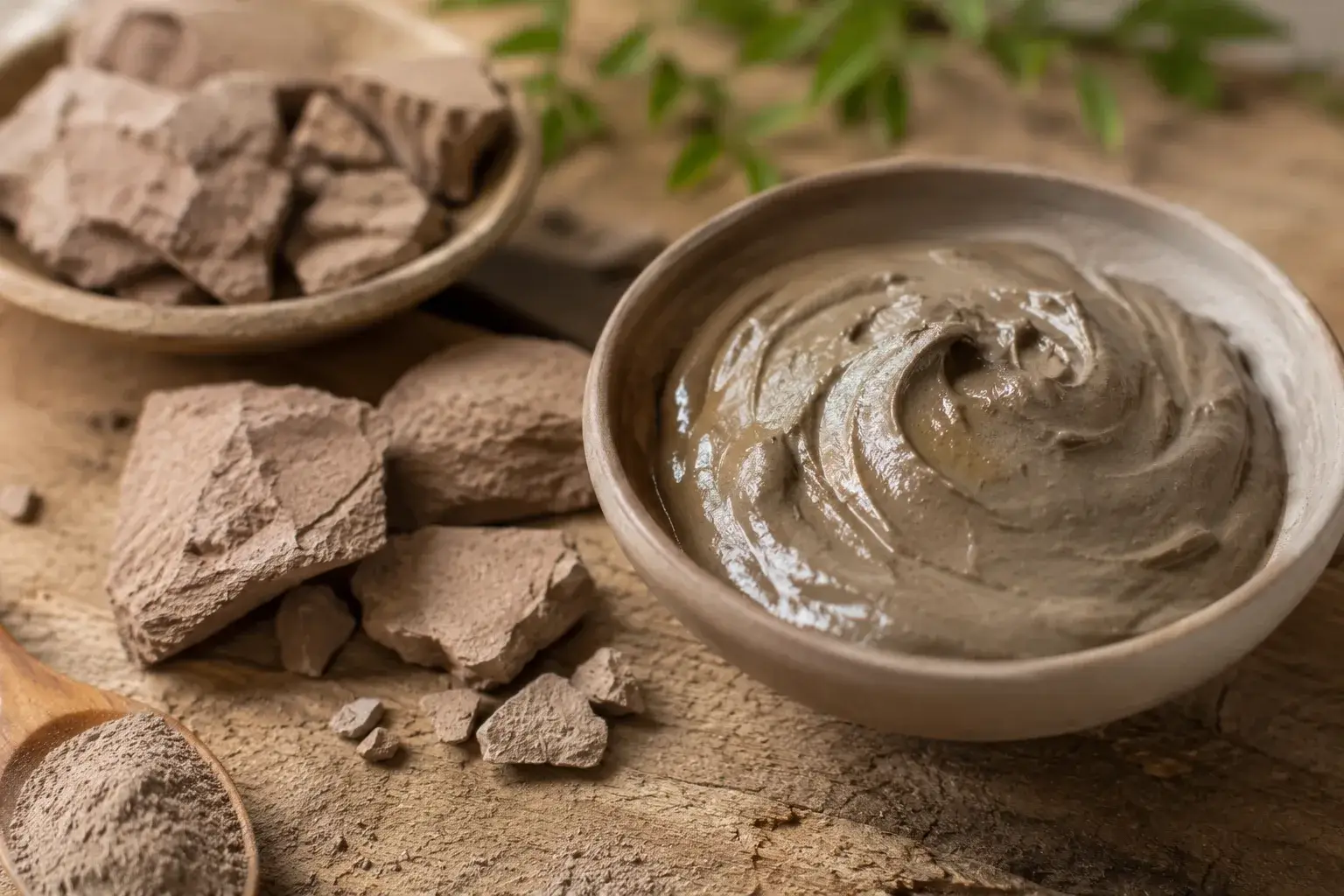
For over twelve centuries, women across North Africa and the Mediterranean have turned to a unique, mineral-rich mud mined deep from the Atlas Mountains of Morocco. Known locally as Ghassoul—derived from the Arabic verb ghassala, meaning "to wash"—Rhassoul clay is far more than a simple skincare trend. It is one of the world’s oldest and most revered natural beauty treatments.
Unlike standard cosmetic clays that can aggressively strip moisture, Rhassoul clay possesses a rare mineral composition and a gentle saponifying quality. It cleanses, purifies, and conditions without disturbing the skin’s delicate lipid barrier or stripping hair of its natural oils. But what makes this ancient volcanic clay so remarkable, and why has it remained an irreplaceable centerpiece of North African self-care rituals for generations?
In this comprehensive guide, we examine the science, traditional heritage, and remarkable modern benefits of Rhassoul clay for both skin and hair, along with practical ways to integrate this timeless ingredient into your personal wellness routine.
What Is Rhassoul Clay?
Rhassoul clay (often spelled Ghassoul) is a naturally occurring smectite clay extracted exclusively from deep underground deposits within the Moulouya Valley, located in the Atlas Mountain range of Morocco. Formed millions of years ago through natural volcanic activity and geothermal processing, this clay absorbs essential nutrients and minerals directly from surrounding deep-rock deposits.
Historically, Moroccan families harvested Rhassoul in raw blocks, sun-dried it, and custom-blended it with aromatic botanical herbs such as damask rose petals, orange blossom water, lavender, and chamomile. These recipes were treated as cherished family heirlooms, passed down from mother to daughter and frequently included in a bride's traditional wedding trousseau.
What sets Rhassoul apart from bentonite, kaolin, or green French clay is its extraordinary high ratio of silica, magnesium, and potassium, combined with an exceptional absorption capacity. Rather than relying on harsh chemical detergents, Rhassoul works through physical and electrical absorption, drawing out impurities while nourishing the surface of the skin and scalp.
The Unique Mineral Composition of Rhassoul Clay
The remarkable versatility of Rhassoul clay stems directly from its chemical makeup. Clinical analyses of pure Moroccan Ghassoul reveal a rich concentration of essential minerals:
- Silica (approx. 55-60%): A fundamental structural mineral that supports skin elasticity, promotes collagen production, and strengthens hair strands.
- Magnesium (approx. 20-25%): Essential for cellular repair, reducing localized inflammation, and maintaining healthy skin surface hydration.
- Potassium & Calcium: Help reinforce the epidermal barrier, encouraging tissue regeneration and preventing transepidermal water loss.
- Iron & Sodium: Provide natural toning properties and help balance skin microcirculation.
Furthermore, Rhassoul clay carries a high negative electromagnetic charge. Because many toxic pollutants, heavy metals, excess sebum, and bacteria carry a positive ionic charge, Rhassoul acts like a natural mineral magnet when mixed with water. It attracts positively charged debris, binding it securely within the clay matrix so it rinses away effortlessly.
Top Benefits of Rhassoul Clay for the Skin
Whether applied as a facial mask or a full-body treatment, Rhassoul clay offers multifaceted dermal benefits suitable for nearly every skin type, including sensitive and dry skin conditions.
1. Deep Purifying Without Excessive Drying
Many deep-cleansing clays leave the skin feeling tight, dehydrated, or inflamed. Rhassoul clay, by contrast, removes excess surface sebum and stubborn pore blockages while maintaining hydration. It helps clarify congested pores, making it an excellent choice for individuals struggling with acne or persistent blackheads.
2. Improves Skin Texture and Elasticity
Thanks to its elevated silica and magnesium content, regular use of Rhassoul clay helps improve surface skin firmness and smoothness. Clinical research into cosmetic clays indicates that topical application of mineral-dense muds can enhance skin barrier repair and smooth out rough texture.
3. Natural Exfoliation and Cell Renewal
When hydrated and rinsed, the microscopic particles of Rhassoul clay act as a gentle physical exfoliant. It removes dead skin cells without creating micro-tears in the delicate dermal layer, leaving behind a luminous and refreshed complexation.
4. Calms Irritation and Redness
Rhassoul’s anti-inflammatory mineral profile makes it exceptionally soothing for skin prone to eczema, psoriasis, or localized inflammation. Rather than causing flare-ups, it cools the skin and restores equilibrium to disrupted surface pH levels.
| Property | Rhassoul Clay | Bentonite Clay | Kaolin Clay |
|---|---|---|---|
| Primary Origin | Atlas Mountains, Morocco | Volcanic Ash (Global) | Granitic Soil (Global) |
| Drying Index | Low to Moderate (Nourishing) | High (Very Drying) | Very Low (Mild) |
| Best For | All Skin Types & Hair | Oily / Severe Acne Skin | Sensitive / Dry Skin |
| Mineral Focus | Silica & Magnesium | Montmorillonite / Sodium | Kaolinite / Aluminum |
Rhassoul Clay Benefits for Hair and Scalp
In traditional North African wellness, Rhassoul clay was used just as frequently for hair care as it was for facial skin. Today, natural hair enthusiasts worldwide use Rhassoul as a zero-chemical substitute for commercial shampoos.
- Gentle No-Poo Cleanser: Rhassoul contains natural cleansing qualities that absorb excess oil and product buildup without stripping away the scalp's protective sebum layer.
- Adds Natural Volume and Bounce: By removing heavy residues and coating hair follicles in light minerals, Rhassoul gives limp or fine hair noticeable lift and volume.
- Enhances Curl Definition: Natural hair community members praise Rhassoul clay for defining natural curl patterns, reducing frizz, and making textured hair remarkably soft and manageable.
- Soothes Scalp Irritation and Flaking: Its anti-microbial and anti-inflammatory properties clear away dead skin cells, helping manage dandruff and itchy scalp conditions naturally.
The Cultural Heart: Rhassoul in the Moroccan Hammam Ritual
To truly understand why Moroccan women have used Rhassoul clay for centuries, one must look inside the traditional hammam (steam bathhouse). The hammam is far more than a place to clean the body; it is an enduring social institution focused on deep detoxification, mental relaxation, and communal bonding.
Within the warm, steam-filled chambers, the body-care ritual follows a precise, time-honored sequence:
- Softening the Skin: Steaming the body opens the pores and relaxes tight muscles.
- Cleansing with Moroccan Black Soap: A rich paste made from saponified olive oil and crushed black olives is applied to prepare the body for exfoliation. Discover the unique origins and soothing qualities of this tradition in our guide on what Moroccan black soap is and its benefits.
- Vigorous Exfoliation: Using a textured exfoliating mitten, dead skin is swept away. Learn the proper technique by exploring how to use a Kessa glove for smooth, glowing skin.
- Purifying Clay Application: Once the body is thoroughly exfoliated, pure Rhassoul clay—infused with rosewater or herbal tea—is slathered from head to toe. It absorbs deep impurities liberated by the steam while restoring vital minerals back into the freshly exposed skin.
- Nourishing Hydration: Finally, pure cold-pressed Moroccan Argan oil is massaged into the skin to seal in moisture.
If you want to experience this luxurious purification ceremony at home, you can read our complete guide to Moroccan hammam steps at home or follow our simple tutorial on how to do a Moroccan bath at home. To ensure you have all the traditional essentials, review our buyer guide on choosing the best Moroccan hammam set for home.
How to Use Rhassoul Clay at Home: Easy Recipes
Bringing this ancient Moroccan secret into your modern self-care routine is simple. Rhassoul typically comes in fine powder or whole sun-dried flakes. Here are three straightforward ways to prepare it:
1. Purifying Facial Mask (For Oily or Combination Skin)
- 2 tablespoons Rhassoul clay powder
- 2-3 tablespoons organic Rose Water (or distilled water)
- 3 drops of Jojoba or Argan Oil
Instructions: Combine ingredients in a wooden or glass bowl until a smooth, velvety paste forms. Apply evenly to clean skin, avoiding the eye area. Leave on for 8 to 10 minutes. Do not allow the clay to completely crack and dry out. Rinse thoroughly with warm water.
2. Nourishing Scalp & Hair Treatment
- 3-4 tablespoons Rhassoul clay powder
- Warm water or Herbal Chamomile Tea (enough to create a liquid batter)
- 1 teaspoon pure Argan oil
Instructions: Mix to a runny consistency similar to pancake batter. Apply directly to wet hair and massage into the scalp. Section hair to ensure complete coverage from root to tip. Leave on for 10-15 minutes, then rinse thoroughly with warm water. No additional shampoo is needed.
3. Soothing Full-Body Mask
- 1/2 cup Rhassoul clay
- Warm water
- 1 tablespoon Orange Blossom Water
Instructions: Mix to a thick paste and spread over your entire body after a warm shower or bath. Let it rest on the skin for 10-15 minutes before rinsing away to reveal remarkably soft, radiant skin.
Best Practices & Common Mistakes to Avoid
Pro Tip: Never use metal bowls or metal spoons when mixing Rhassoul clay. Metals can react with the clay’s ionic negative charge, reducing its overall mineral efficacy and absorptive potential. Always opt for glass, ceramic, or wooden utensils.
To get the best results from your Rhassoul clay rituals, keep these guidelines in mind:
- Avoid Over-Drying: Spray your face with a fine mist of floral water if the mask begins drying too fast. Clay works in three phases: wet (nutrient absorption), cooling (tightening), and dry (moisture drawing). You want to rinse it off right as it transitions from cooling to dry.
- Frequency: For facial application, 1 to 2 times a week is optimal. For hair cleansing, every 1 to 2 weeks preserves your scalp's natural balance.
- Patch Test First: While Rhassoul is naturally hypoallergenic, always perform a small patch test on your inner arm to ensure compatibility with added botanical hydrosols or oils.
Frequently Asked Questions
Can Rhassoul clay be used on dry or sensitive skin?
Yes. Unlike bentonite clay, Rhassoul is non-stripping and naturally moisturizing due to its high silica and magnesium content. Adding a few drops of Argan oil or sweet almond oil to the mixture ensures maximum comfort for dry skin types.
How often should I use a Rhassoul clay hair mask?
Using a Rhassoul clay mask on your hair once every 10 to 14 days is ideal for removing hair product buildup, balancing scalp oiliness, and reviving natural curls without causing dryness.
What is the difference between Rhassoul clay and Ghassoul clay?
There is no difference! "Rhassoul" and "Ghassoul" are simply phonetic English spellings of the same Arabic word (غاسول). Both refer exclusively to the natural mineral clay sourced from Morocco's Atlas Mountains.
Can I store pre-mixed Rhassoul clay paste?
It is best to mix Rhassoul clay fresh for each use. Because pure clay mixed with water lacks synthetic chemical preservatives, a pre-mixed batch can grow bacteria over time. Alternatively, mix only what you need for immediate application.
Conclusion
The timeless appeal of Rhassoul clay lies in its remarkable simplicity and efficacy. Unaltered by artificial synthetic additives or chemical processing, this mineral treasure from Morocco’s Atlas Mountains delivers deep purification, skin hydration, and hair vitality just as effectively today as it did centuries ago.
By understanding how to blend and apply this historic ingredient properly, you can elevate your self-care routine into an authentic, deeply nourishing spa ritual at home.