Moroccan Hammam Steps at Home: Complete Spa Guide
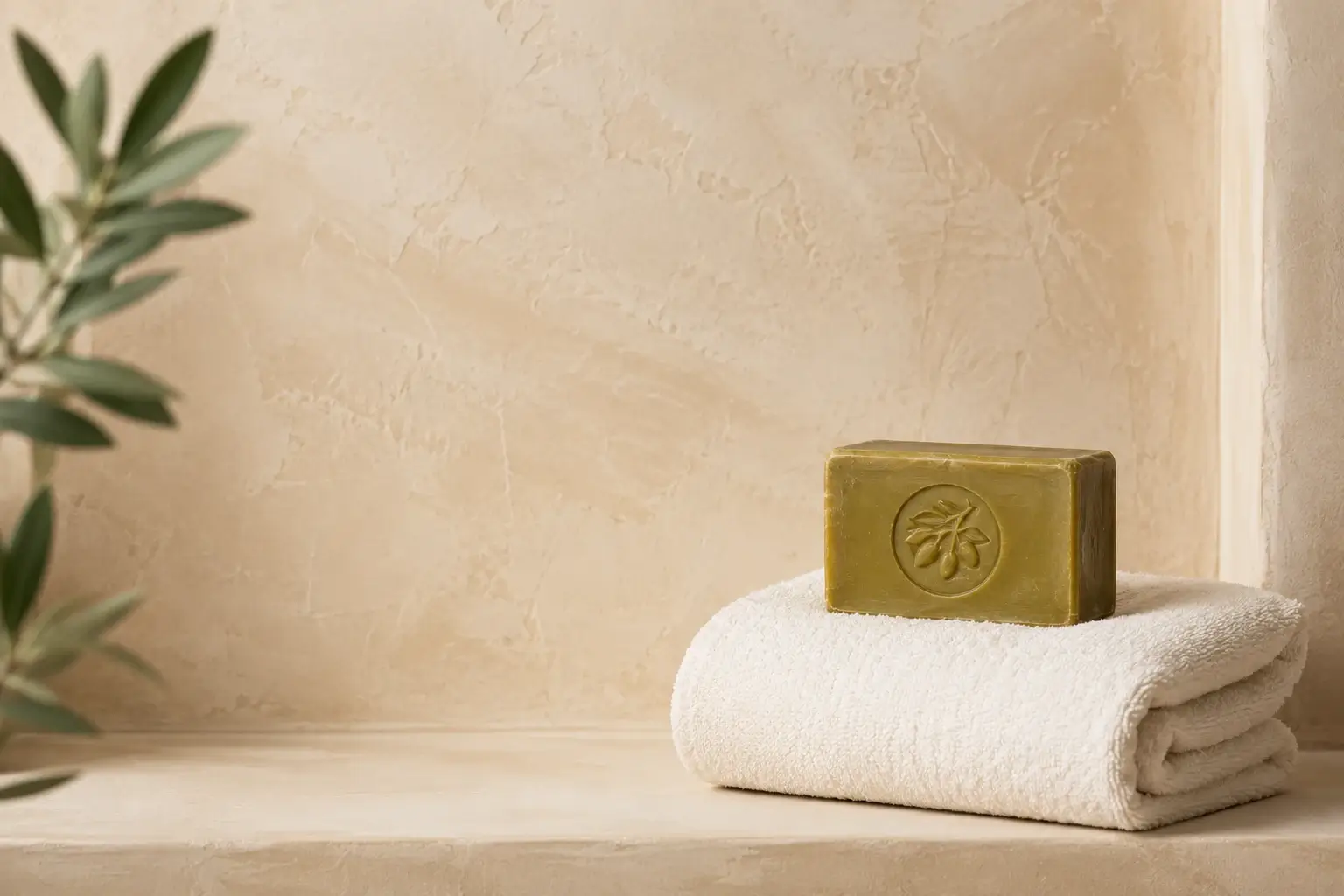
The traditional Moroccan hammam is more than just a bath; it is a centuries-old ritual of purification, relaxation, and holistic skin renewal. Rooted in ancient Greco-Roman bathing traditions and refined over centuries across North Africa, the hammam experience combines heat, steam, botanical cleansers, and vigorous exfoliation to restore both body and mind. While visiting a public bathhouse in Marrakech or Fez offers an unforgettable cultural experience, you can recreate this deeply rejuvenating spa ritual within the comfort of your own bathroom.
In this comprehensive guide, we will break down the essential Moroccan hammam steps at home, explaining the botanical science behind traditional products like Moroccan black soap (Sabon Beldi), the iconic Kessa glove, and nutrient-dense Rhassoul clay. Whether you want to detoxify your skin, improve circulation, or simply enjoy an elevated self-care evening, this step-by-step tutorial will help you achieve glowing, velvet-smooth skin.
The Core Benefits of a Moroccan Hammam Ritual
Before diving into the steps, it is helpful to understand why this traditional ritual remains so widely practiced today. Unlike standard showering or quick bathing routines, a hammam focuses on deep cleansing and slow, mindful care.
- Deep Exfoliation: Removes accumulated dead skin cells, clear clogged pores, and smoothed rough textures.
- Stimulated Circulation: Thermal heat combined with targeted scrubbing encourages lymphatic drainage and microcirculation, giving the skin a healthy glow.
- Enhanced Product Absorption: Removing the barrier of dead skin enables serums, oils, and moisturizers to penetrate much more effectively.
- Stress Relief and Muscle Relaxation: Heat and steam loosen tense muscles, while aromatic botanicals such as eucalyptus and rose calm the nervous system.
Essential Supplies for an At-Home Hammam
To perform an authentic home hammam, you will need a few traditional, key ingredients and tools. To ensure your skin receives the best results without irritation, learn more about selecting high-quality products in our detailed breakdown of what to look for in the best hammam sets for home use.
| Product / Tool | Traditional Name | Primary Purpose |
|---|---|---|
| Moroccan Black Soap | Sabon Beldi | Softens dead skin cells and preps skin for exfoliation |
| Exfoliating Glove | Kessa Mitt | Physically rolls off softened dead skin and debris |
| Mineral Clay | Ghassoul / Rhassoul | Purifies, draws out impurities, and tightens pores |
| Organic Argan Oil | Zayt Argan | Locks in moisture, nourishes, and restores lipid barrier |
| Pure Rose Water | Ma' al-Ward | Tones skin, reduces redness, and balances pH |
Step-by-Step Guide to Moroccan Hammam Steps at Home
For a detailed breakdown of variations on this bath ritual, check out our companion step-by-step guide to doing a Moroccan bath at home. Below is the master routine designed to transform your bathroom into a luxury sanctuary.
Step 1: Prepare the Atmosphere & Create Steam
The secret to an effective hammam is heat and steam. Steam opens up the pores, hydrates the stratum corneum (the outermost skin layer), and softens hardened oils and dead skin cells.
- Close all doors and windows in your bathroom to seal in humidity.
- Turn on your shower to its hottest setting and let the steam build up for 10 to 15 minutes.
- Light a candle or diffuse natural essential oils (such as eucalyptus or cedarwood) to create a tranquil ambiance.
- Step into the steam and sit comfortably for 10–15 minutes before introducing water to your body.
Step 2: Warm Rinse and Application of Moroccan Black Soap
Once your body is warm and sweating lightly, rinse under comfortable warm (not scalding) water. Next, apply Moroccan black soap (Sabon Beldi). Made from saponified olive oil and crushed black olives, this rich, gel-like paste is naturally high in Vitamin E.
Take a generous scoop of black soap and smooth it evenly over your entire body, from shoulders to feet. Focus on rough patches like elbows, knees, and heels. Allow the soap to sit on your skin for 5 to 10 minutes. During this resting period, the olive fatty acids work to break down intercellular glues that hold dead skin cells together.
Pro Tip: Do not expect black soap to lather like modern body washes. It cleanses through gentle chemical softening rather than heavy surfactant foaming.
Step 3: Rinsing off the Soap
Thoroughly rinse off all traces of the black soap using warm water. Your skin should feel thoroughly clean and slightly slick. It is crucial to wash the soap away completely before using the Kessa glove, as leftover soap creates too much slipperiness and prevents the glove's textured weave from gripping dead skin.
Step 4: Deep Exfoliation with the Kessa Glove
Now comes the signature moment of the hammam. Wet your Kessa glove with warm water and wring out excess moisture. Start scrubbing your limbs using long, firm, vertical strokes—moving up and down rather than in circular motions.
As you apply firm pressure, you will notice small grey or dark rolls of dead skin and debris curling off the surface. This process, known traditionally as gommage, reveals fresh, renewed skin beneath. Be gentle on sensitive areas like the inner thighs and chest, but apply moderate pressure to calloused or sun-exposed skin.
Step 5: Detoxifying Rhassoul Clay Mask
After rinsing away the exfoliated skin rolls, apply a nourishing body mask using natural Rhassoul (Ghassoul) clay mined from Morocco's Atlas Mountains. Rich in silica, magnesium, and potassium, Rhassoul clay absorbs excess sebum and detoxifies without stripping the skin's protective lipid layer. Research published in scientific literature on clay minerals supports their ability to absorb pollutants and refine skin texture.
Mix equal parts Rhassoul clay powder with warm water or rose water until a smooth, spreadable paste forms. Coat your body (and optionally your hair or face) with the mask. Let it rest for 10 minutes. Rinse thoroughly before the clay completely dries and feels tight.
To explore how this mineral clay benefits problem-prone areas on the face and body, read our article on how Rhassoul clay fights acne and balances skin lipids.
Step 6: Nourish and Lock in Moisture
Pat your skin dry gently with a soft towel. Because deep exfoliation exposes fresh skin cells, immediate hydration is essential. Mist your face and body with pure organic Rose Water to balance your skin's natural pH levels, then massage a generous amount of cold-pressed Moroccan Argan Oil into damp skin.
Argan oil is rich in essential fatty acids, oleic and linoleic acids, and antioxidants that soothe skin barrier function, as recognized by cosmetic safety evaluations such as the European Commission CosIng Database. To learn more about incorporating these steps into a recurring routine, check out our guide on the complete Moroccan hammam routine at home.
Botanical Formulations in Skincare
The timeless success of these traditional ingredients has inspired modern botanical skin research. Today, formulations combining saponified plant oils, mineral clays, and restorative botanicals form the bedrock of clean beauty formulations globally. For skin formulators and beauty brands interested in the science behind these traditional ingredients, explore our insights on formulating natural deodorizing skincare with Moroccan botanicals.
Common Hammam Mistakes to Avoid
- Scrubbing With Black Soap Still On: Always rinse black soap off completely before using the Kessa glove. Soap provides too much slip, preventing the crepe texture of the mitt from grabbing dead skin.
- Water That Is Too Hot: Extremely hot water can break capillaries, cause inflammation, and excessively dry out skin tissue. Use warm steam and moderate shower temperatures.
- Exfoliating Too Frequently: The deep gommage process should only be performed once a week or once every two weeks to avoid damaging the moisture barrier.
- Forgetting Post-Hammam Hydration: Skipping argan oil or a rich body moisturizer after deep exfoliation can lead to redness and dryness.
Frequently Asked Questions
How often should I do a Moroccan hammam at home?
It is best to perform a full hammam exfoliation routine once a week. Over-exfoliating with a Kessa glove can irritate the skin barrier. However, you can use black soap and argan oil as part of your regular showering routine throughout the week.
Can I do a home hammam if I have sensitive skin?
Yes, but adjust your technique. Reduce the time black soap remains on your skin to 2–3 minutes, use light pressure with the Kessa glove, and perform a patch test on a small area first. Avoid active flare-ups of eczema, psoriasis, or broken skin.
What is the difference between Moroccan Black Soap and regular soap?
Regular soaps are designed to strip dirt and create lather using synthetic or vegetable surfactants. Moroccan Black Soap is an unrefined paste made from olive oil and crushed olives. It acts as an enzymatic softener that break downs skin debris without harsh lathers.
Can I use Rhassoul clay on my face and hair?
Yes. Rhassoul clay is versatile and mild. When applied to the scalp and hair, it lifts excess oil without removing natural conditioning lipids, making it a popular natural substitute for clarifying shampoos.
Conclusion
Recreating the authentic Moroccan hammam steps at home allows you to embrace a centuries-old wellness practice that honors your body and calms your mind. By leveraging heat, botanical black soap, physical exfoliation, mineral clays, and pure argan oil, you can achieve smooth, radiant skin from head to toe. Dedicate an hour each week to this restorative ritual and enjoy the physical and sensory benefits of Morocco’s iconic bathhouse culture.