How Rhassoul Clay Fights Acne: Benefits & Usage Guide
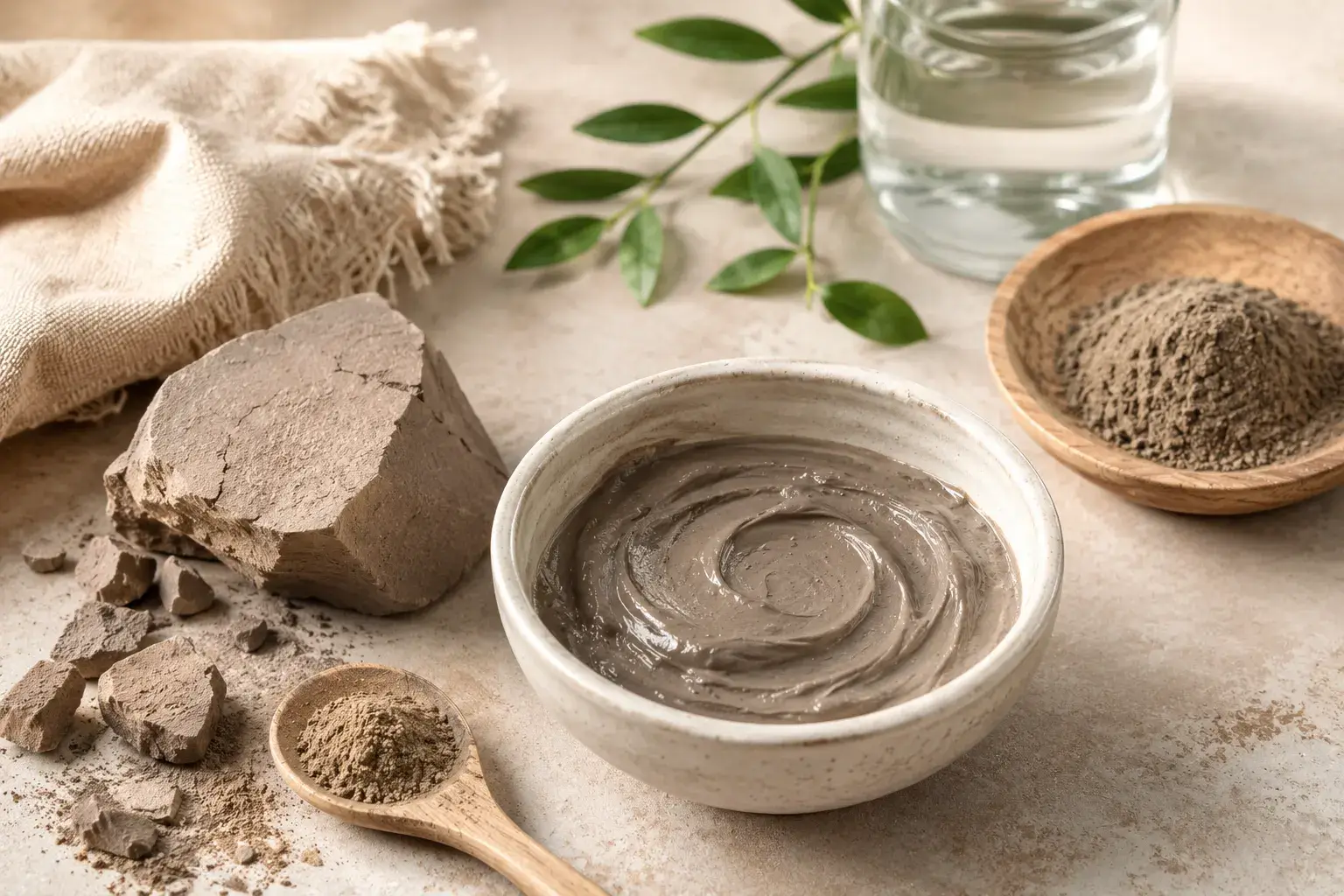
Acne is one of the most widespread and frustrating skin conditions, affecting millions of people worldwide across all age groups. Caused by a complex combination of excess sebum (oil) production, dead skin cell accumulation, bacterial overgrowth, and localized inflammation, persistent breakouts often lead people to seek harsh chemical treatments. However, aggressive topical treatments can strip the skin barrier, leading to a vicious cycle of irritation, dryness, and rebound oiliness.
Enter Rhassoul clay (also commonly spelled Ghassoul clay), a ancient natural mineral clay mined exclusively from subterranean deposits in the Atlas Mountains of Morocco. For centuries, Rhassoul has been revered for its remarkable ability to purify the skin without triggering dryness or inflammation. Today, dermatological enthusiasts and clean beauty formulators alike celebrate Rhassoul as a powerhouse natural ingredient for acne-prone skin.
In this comprehensive guide, we will explore the science behind how Rhassoul clay fights acne, its unique mineral composition, how it compares to other clays, and how you can incorporate it into your skin wellness routine safely and effectively.
Understanding Acne: Why Standard Clay Treatments Fall Short
To understand how Rhassoul works, it helps to first understand why acne occurs. Your skin produces sebum to keep itself lubricated and protected. However, when hormone fluctuations, stress, or diet trigger overproduction of sebum, excess oil mixes with sloughed-off dead skin cells inside hair follicles (pores). This mixture forms a plug, known as a comedone.
When anaerobic bacteria—specifically Cutibacterium acnes (formerly Propionibacterium acnes)—feed on trapped sebum inside clogged pores, they proliferate and trigger an inflammatory immune response, resulting in red papules, pustules, and deep cystic lesions.
Many traditional acne treatments and heavy cosmetic clays (such as bentonite) pull massive amounts of oil from the surface. However, they often dry out the stratum corneum (the skin’s outermost protective layer) so intensely that the skin responds by producing even more sebum to compensate. Rhassoul clay stands out because it possesses a unique balance of high absorption and skin conditioning, making it ideally suited for acne-prone and sensitive skin types alike.
5 Ways Rhassoul Clay Actively Fights Acne
Rhassoul clay works through distinct physical and biochemical mechanisms to combat existing breakouts and prevent future acne formation.
1. High Cation Exchange Capacity (Magnetic Impurity Extraction)
Rhassoul clay consists of smectite minerals, which possess a strong negative electrostatic charge. Most toxic impurities, micro-pollutants, heavy metals, and oxidized sebum carry a positive charge. When mixed with water and applied topically, Rhassoul acts like a gentle magnet, attracting positively charged dirt and debris out from within open pores without needing harsh mechanical scrubbing.
2. Regulation of Sebum Without Barrier Disruption
Excess sebum is the primary catalyst for bacterial growth in acne. Rhassoul clay has remarkable absorption and adsorption capacities. It absorbs excess oil lingering on the skin surface while adsorbing microscopic impurities trapped inside pores. Unlike synthetic astringents or harsh alcohol solutions, Rhassoul respects the hydrolipidic film of the skin, leaving essential moisture intact while removing hyper-sebaceous buildup.
3. Natural Micro-Exfoliation
Dead cell accumulation (hyperkeratinization) blocks pores and prevents oxygen from entering the follicle. Oxygen-deprived environments are where acne bacteria thrive. Rhassoul clay has a ultra-fine, silky texture with micronized particle size. As you wash away a Rhassoul mask, it provides delicate micro-exfoliation, clearing dead skin cells and encouraging natural cellular turnover without microscopic tears or abrasion.
4. Anti-Inflammatory Mineral Delivery
Redness, swelling, and soreness are signature symptoms of inflamed acne lesions. Rhassoul clay naturally contains exceptionally high concentrations of key minerals—such as silica and magnesium—that exhibit natural anti-inflammatory, calming effects. Applying a cool Rhassoul paste quickly reduces visible redness and soothes irritated skin tissue.
5. Restoring Microbiome and pH Balance
Healthy skin maintains a slightly acidic pH (around 4.5 to 5.5), which prevents opportunistic pathogenic bacteria from overpopulating. Rhassoul clay has a skin-friendly, neutral-to-slightly-alkaline profile that, when blended with hydrating hydrosols or floral waters, helps clarify the skin surface and restore optimal microbial balance. Furthermore, as explored in historical perspectives on timeless Moroccan beauty rituals inspiring modern brands, mineral-rich muds have been used for generations to maintain skin health naturally.
The Mineral Blueprint of Rhassoul Clay
What gives Rhassoul clay its unique therapeutic qualities is its rich mineral profile, harvested from pristine volcanic deposits. Here is a breakdown of the key elemental minerals in authentic Moroccan Ghassoul and how they target acne:
| Mineral | Percentage Concentration | Specific Skin & Anti-Acne Benefit |
|---|---|---|
| Silica (SiO₂) | 50% – 60% | Strengthens skin connective tissue, improves elasticity, and promotes scar recovery after acne. |
| Magnesium (MgO) | 20% – 25% | Reduces cellular inflammation, calms reactive skin, and helps regulate sebum production. |
| Calcium (CaO) | 1% – 2% | Supports rapid cell renewal and restores skin barrier repair mechanism. |
| Iron Oxide (Fe₂O₃) | 1% – 3% | Provides natural tone, stimulates local microcirculation, and aids cellular repair. |
| Potassium & Sodium | 1% – 5% | Helps maintain cellular hydration, keeping cells plump while oil is absorbed. |
Rhassoul Clay vs. Other Cosmetic Clays for Acne
Not all clays act the same on acne-prone skin. Choosing the wrong clay can result in excessive irritation or insufficient oil control. Here is how Rhassoul compares to other common cosmetic clays:
- Rhassoul Clay vs. Bentonite Clay: Bentonite clay has extremely high swelling and drying capacity. While effective for very severe, extremely oily skin, bentonite often severely dehydrates combination or sensitive skin, worsening breakouts. Rhassoul absorbs oil effectively but leaves skin feeling soft, hydrated, and supple.
- Rhassoul Clay vs. Kaolin Clay: Kaolin (white clay) is very mild and gentle, but often lacks the deep pore-cleansing and cation-exchange power necessary to tackle stubborn blackheads and active papules. Rhassoul offers significantly stronger detoxifying power while remaining gentle on the skin barrier.
- Rhassoul Clay vs. French Green Clay: French green clay is rich in decomposed plant matter and iron, making it great for toning, but it can be overly drying for daily or weekly use on sensitive acne-prone skin. Rhassoul provides balanced purification with superior hydration retention.
Because of this optimal balance, many professional wellness centers and spas switching to organic wholesale product suppliers favor pure Moroccan Rhassoul clay for specialized facial treatments and body purifications.
How to Use Rhassoul Clay for Acne: Step-by-Step DIY Guide
To get the most benefit out of Rhassoul clay without irritating your skin, follow this simple preparation and application guide.
Basic Purifying Rhassoul Acne Mask Recipe
Ingredients:
- 2 tablespoons authentic Moroccan Rhassoul clay powder
- 2 to 3 tablespoons pure distilled water or organic rose hydrosol
- 3 drops of tea tree essential oil or lavender essential oil (optional, diluted)
Instructions:
- Mix non-metallically: Place the Rhassoul clay into a glass, ceramic, or wooden bowl. Important: Avoid using metal bowls or spoons, as metal contact can reduce the clay's beneficial negative charge.
- Combine liquids: Gradually pour warm water or rose water over the clay. Let it sit untouched for 1 to 2 minutes to allow the clay to naturally absorb the liquid.
- Blend into paste: Stir using a wooden or silicone spatula until a smooth, velvety, yogurt-like paste forms.
- Cleanse skin: Wash your face with a mild, non-comedogenic cleanser to remove surface dirt and makeup.
- Apply evenly: Smooth an even layer over your face, targeting areas prone to breakouts (like the T-zone, chin, or cheeks). Avoid the immediate eye area and lips.
- Rest and timing: Leave the mask on for 8 to 10 minutes. Do NOT allow the mask to crack, dry out completely, or turn chalky white. Leaving clay on until it turns bone-dry sucks moisture out of deeper skin layers.
- Rinse gently: Splash warm water over your face to rehydrate the clay mask. Gently massage in circular motions to allow soft micro-exfoliation, then rinse thoroughly.
- Moisturize immediately: Pat skin dry with a clean towel and apply a lightweight, non-comedogenic moisturizer or botanical oil (such as pure argan oil) to lock in hydration.
For a traditional self-care experience at home, exploring the best hammam set for home can provide complementary holistic tools such as Kessa gloves and natural soaps for a complete body purification ritual.
Incorporating Rhassoul into Modern Skincare Formulations
Beyond traditional DIY powder masks, skincare formulators and cosmetic brands are incorporating Rhassoul clay directly into modern anti-acne cleansers, detoxifying bar soaps, and clarifying masks. As highlighted in our industry overview on formulating natural deodorizing skincare with Moroccan botanicals, combining mineral clays with natural bio-actives creates highly effective, non-toxic formulations for modern consumers.
Furthermore, taking inspiration from the secrets of Moroccan hammam organic skincare rituals shows how combining steam, mineral detoxifiers, and cold-pressed botanical oils helps maintain long-term skin clarity without destabilizing the microbiome.
Common Mistakes to Avoid When Using Rhassoul for Acne
To avoid unwanted skin reactions or diminished results, avoid these frequent mistakes:
- Letting the mask dry completely: Clay masks work in three phases: the wet phase (delivering minerals), the start of the dry phase (attracting oil and dirt), and the dry phase (drawing moisture out of the skin). Always rinse while the mask feels tacky to the touch.
- Using metal tools: Metal utensils alter the natural magnetic ionization of the clay. Stick to glass, ceramic, or bamboo.
- Over-masking: Using Rhassoul clay 4 or 5 times a week can over-stimulate cell turnover and lead to dryness. Use it 1 to 2 times a week for optimal results.
- Skipping post-mask moisturizer: Even though Rhassoul is hydrating compared to other clays, applying moisturizer immediately afterward is essential to seal the moisture barrier.
Frequently Asked Questions (FAQ)
Can Rhassoul clay cause skin purging?
Yes, temporary purging can occur during the first week or two of using Rhassoul clay. Because the clay deeply draws out impurities, trapped oils, and comedones from inside congested pores, existing sub-surface congestion may surface faster. This usually resolves quickly, revealing clearer skin.
Is Rhassoul clay suitable for sensitive skin with acne?
Yes. Rhassoul clay is exceptionally gentle and naturally high in magnesium, which soothes reactive skin. Unlike intense bentonite clay, Rhassoul purifies without causing harsh redness or flaking, making it an ideal choice for sensitive, acne-prone skin.
How often should I use a Rhassoul clay mask for acne?
For most skin types, using a Rhassoul mask 1 to 2 times per week is ideal. Oily skin types may benefit from up to 2 times per week, while dry or sensitive skin types should start with once a week or spot-treat active breakouts.
Can I use Rhassoul clay on body acne (backne or chest acne)?
Absolutely. Rhassoul clay is very effective for clearing body acne on the chest, shoulders, and back. You can apply it as a targeted body mask before showering or use a Rhassoul-infused body bar during your daily bath routine.
Final Words
Rhassoul clay offers a proven, time-tested approach to clearing acne naturally. By unclogging pores, absorbing excess sebum, reducing swelling, and restoring essential minerals without destroying your skin barrier, this natural Moroccan mineral sediment stands as one of nature’s most balanced skin purifiers. When used consistently and correctly, Rhassoul clay can help you achieve a clearer, smoother, and healthier complexion.