How to Do a Moroccan Bath at Home: Step-by-Step Guide
For centuries, the Moroccan bath—traditionally known as the Hammam—has served as a foundational pillar of North African beauty, hygiene, and community wellness. More than just a simple bathing routine, the Hammam is an immersive, restorative ritual designed to deeply cleanse the skin, purge bodily impurities, promote blood circulation, and melt away muscular tension. The result is incomparably soft, radiant skin and a profound sense of mental relaxation.
While traveling to a traditional bathhouse in Marrakech or Casablanca offers an unforgettable cultural experience, you do not need an international flight to enjoy the transformative benefits of this centuries-old ritual. With a few authentic ingredients, a quality exfoliating tool, and proper preparation, you can easily transform your standard bathroom into a luxurious personal sanctuary. This comprehensive step-by-step guide walks you through how to do an authentic Moroccan bath at home, covering essential tools, proper techniques, common mistakes to avoid, and expert skin-nourishing secrets.
What Makes a Moroccan Bath Different from a Standard Bath?
Unlike conventional Western bathing routines that focus primarily on topical cleansing with liquid shower gels, a Moroccan bath is a multi-stage therapeutic process. It combines thermal steam, botanical cleansing pastes, physical exfoliation using specialized woven gloves, and deep detoxification through natural mineral clays.
The secret behind the Hammam’s legendary effectiveness lies in how the ingredients interact with heat and friction:
- Heat & Steam: Soften the outer layer of the skin (stratum corneum) and open up pores.
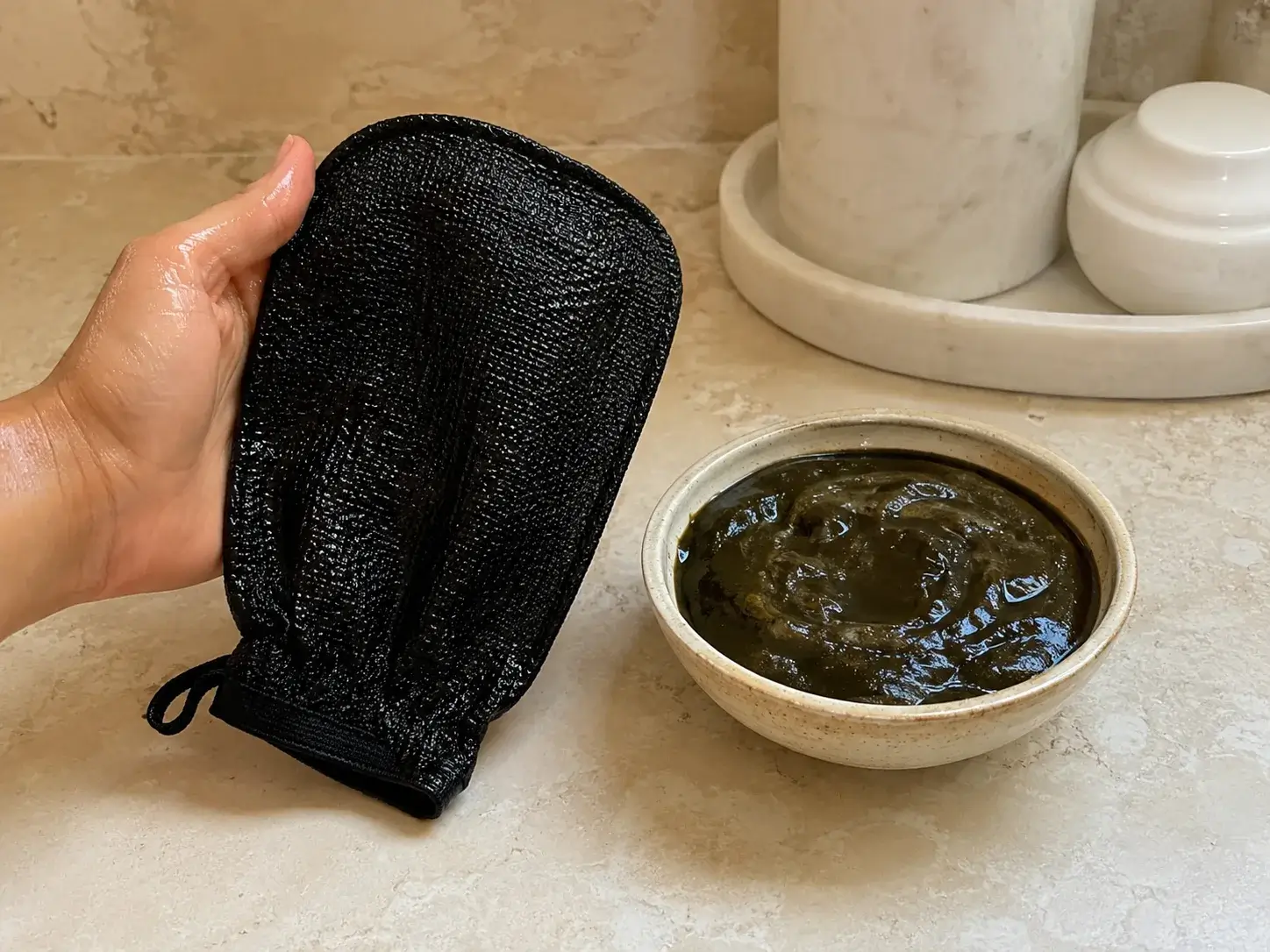
- Moroccan Black Soap (Sabon El Beldi): A rich, gel-like paste made from saponified olive oil and macerated olives that breaks down sebum, loosens dead skin cells, and prepares the body for exfoliation.
- The Kessa Glove: A crepe-textured exfoliating mitt that grips loosened dead skin cells and rolls them away without tearing or abrading the healthy tissue underneath.
- Ghassoul (Rhassoul) Clay: A mineral-rich volcanic clay harvested from the Atlas Mountains that extracts lingering deep-pore toxins while conditioning the skin.
Understanding these elements helps explain why timeless Moroccan beauty rituals inspiring modern brands continue to captivate skincare enthusiasts around the globe.
Essential Supplies for an At-Home Moroccan Hammam
To execute an authentic home Hammam, gathering the right tools and traditional ingredients is essential. Substituting standard bath products will not yield the same deep-exfoliating results.
| Product / Tool | Role in the Bath Ritual | Key Benefit |
|---|---|---|
| Moroccan Black Soap (Sabon Beldi) | Pre-exfoliation soap paste | Softens skin, breaks down lipid buildup, prepares skin for friction. |
| Kessa Exfoliating Glove | Traditional friction glove | Rolls away layers of dead skin cells and encourages cell turnover. |
| Rhassoul Clay (Ghassoul) | Post-exfoliation detox mask | Absorbs impurities, delivers minerals (silica, magnesium), smooths texture. |
| Pure Argan Oil or Rosewater | Post-bath hydration & soothing | Restores lipid barrier, seals in moisture, tones delicate skin. |
Selecting high-quality tools makes a noticeable difference in your experience. If you are starting from scratch, reviewing recommendations on choosing the best hammam set for home what to look for can help ensure your glove texture and soap purity meet traditional standards.
Step 1: Prepare Your Bathroom and Create Thermal Steam
The success of a Moroccan bath relies heavily on heat and moisture. Steam is crucial because it hydrates dry skin cells, making them pliable enough to roll off during exfoliation.
- Seal the Space: Close your bathroom windows, door, and any ventilation fans to keep heat trapped inside.
- Generate Steam: Turn your shower to its hottest setting and let the water run for 10 to 15 minutes. Allow the room to fill with dense, warm steam. If you have a deep bathtub, fill it with hot water instead.
- Hydrate Internally: Drink a glass of warm water, herbal tea, or mint tea before stepping into the bathroom. The elevated heat will cause mild sweating, so maintaining internal hydration is key.
- Soak in the Steam: Sit comfortably in the steamy bathroom for 10 to 15 minutes. Let the warmth relax your muscles and loosen your skin pores. Avoid using any soap or body wash during this initial warm-up phase.
Step 2: Apply the Moroccan Black Soap (Sabon Beldi)
Once your skin is thoroughly warm, damp, and relaxed from the steam, it is time to apply the iconic Sabon Beldi.
- Take a small tablespoon-sized scoop of black soap into your palms. The soap has a thick, dark, gel-like texture.
- Smooth the soap generously over your entire body, working in upward sweeping motions. Pay extra attention to rough areas such as elbows, knees, heels, and ankles.
- Note: Moroccan black soap does not produce a heavy lather like conventional soaps; instead, it creates a subtle, creamy film across the skin.
- Allow the soap to sit on your skin for 5 to 10 minutes while continuing to relax in the steam. During this window, the natural olive oils and high alkaline content work to dissolve intercellular lipids holding dead skin cells together.
Step 3: The Complete Rinse (The Critical Crux)
This step is where many beginners make a mistake. You must rinse off 100% of the black soap before using the exfoliating glove.
If any soapy residue remains on your skin, the Kessa glove will slip across the surface without creating the necessary friction required to strip away dead skin cells. Step under warm running water and thoroughly wash off every trace of soap until your skin feels squeaky clean and slightly damp, but free of slipperiness.
Step 4: Deep Exfoliation with the Kessa Glove
Now that your skin is warmed, softened, and rinsed clean of soap, your body is ready for deep exfoliation.
- Wet the Kessa Glove: Submerge your Kessa mitt in warm water and wring out the excess liquid so it is damp, not soaking wet. Put the glove on your dominant hand.
- Apply Firm, Direct Pressure: Move the glove in long, firm, vertical strokes up and down your limbs. Avoid scrubbing in small circular motions, as long back-and-forth strokes provide better mechanical traction.
- Observe the Skin Roll: After several firm passes over an area, you will begin to see greyish strands or rolls of dead skin and debris coming off your body. In traditional Hammams, this rolled dead skin is considered a visual sign of effective cleansing.
- Systematic Coverage: Work systematically—start with your arms, move to your shoulders, torso, back (use an extended strap or ask a partner for assistance if needed), thighs, calves, and feet.
- Be Gentle on Delicate Areas: Keep pressure firm on thicker skin (legs, arms, back) but significantly lighter over sensitive areas like the inner thighs, chest, and neck. Never use a body Kessa glove on your face.
For a deeper contextual dive into building this practice into a monthly self-care schedule, explore our detailed complete Moroccan hammam routine at home guide.
Step 5: Detoxify and Nourish with Rhassoul Clay
Once physical exfoliation is complete, rinse your body with warm water to clear away the sloughed-off skin cells. Your newly revealed layer of skin is now exceptionally receptive to nutrient absorption.
Traditionally, a paste of Rhassoul (Ghassoul) clay mixed with warm water or organic rosewater is applied to the body as a full-body mask:
- Mix 3–4 tablespoons of Rhassoul clay powder with equal parts water or floral hydrosol in a non-metallic bowl until it forms a smooth, brushable mud.
- Apply the clay paste across your entire body and, optionally, into the roots of your hair and scalp.
- Leave the mask on for 5 to 10 minutes. Rhassoul clay is rich in natural magnesium, silica, calcium, and potassium, which help refine texture and draw out deeper follicular oils.
Rhassoul clay is particularly renowned for balancing skin oils without stripping essential moisture. If you experience bodily breakouts or congestion on your back and shoulders, understanding how rhassoul clay fights acne illustrates why this natural mineral mud has remained an essential element of Moroccan skincare for centuries.
Step 6: Rinse, Dry, and Lock in Moisture
Rinse away the clay mask thoroughly using lukewarm water, ending with a brief cool rinse to help close pores and invigorate blood circulation. Gently towel-dry your skin by patting, rather than rubbing.
Because the Moroccan bath removes old lipids and surface oils, immediate moisture replenishment is essential:
- Pure Argan Oil: Warm several drops of 100% pure, cold-pressed cosmetic Argan oil between your palms and massage it into your damp skin. Argan oil is rich in Vitamin E, essential fatty acids, and antioxidants that restore the cutaneous moisture barrier without clogging pores.
- Rosewater Toning: Mist organic rosewater over your face and chest for a refreshing, anti-inflammatory finishing touch.
For formulators or brands interested in developing products inspired by these functional botanical properties, reviewing our technical breakdown on formulating natural deodorizing skincare moroccan botanicals b2b guide offers deeper insights into native Moroccan plants and active botanical extracts.
Essential Do’s and Don’ts of the At-Home Moroccan Bath
To ensure a safe, comfortable, and effective home spa session, keep these best practices in mind:
Do:
- Stay hydrated: Drink plenty of water before, during, and after your home Hammam.
- Take your time: Set aside 45 to 60 minutes so you do not feel rushed during the steaming and exfoliation phases.
- Wash your Kessa glove properly: Rinse your Kessa mitt thoroughly with hot water after use, squeeze out excess moisture, and hang it to dry in a well-ventilated space.
Don’t:
- Don't apply soap to the Kessa: Never rub soap directly onto the glove while exfoliating; the glove must work directly against clean, damp skin to create friction.
- Don't over-exfoliate: Limit deep Moroccan bath treatments to once a week or once every two weeks. Over-exfoliating can disrupt the natural skin barrier.
- Don't use on compromised skin: Avoid using the Kessa glove over active sunburns, open wounds, eczema flare-ups, or severe inflammatory acne.
- Don't shave immediately before: Avoid shaving or waxing your legs on the day of a Moroccan bath, as hot steam and physical friction will cause stinging and irritation on freshly hair-depilated skin.
Frequently Asked Questions
How often should I perform a Moroccan bath at home?
For optimal skin health, perform a full Moroccan bath routine once a week or once every two weeks. Daily exfoliation with a Kessa glove is far too aggressive and can compromise your moisture barrier. Between Hammam sessions, stick to gentle, non-exfoliating body cleansers.
Why didn't my skin roll off during my first attempt?
If you don't see visible rolls of dead skin, it usually comes down to three factors: insufficient steam exposure (the skin wasn't soft enough), failure to thoroughly rinse off the black soap before scrubbing, or using a glove with an overly worn or smooth texture. Ensure you sit in a steamy environment for at least 10–15 minutes and completely rinse away all soap residue before using the Kessa glove.
Can people with sensitive skin do a Moroccan bath?
Yes, but modifications are recommended. Individuals with sensitive skin should reduce the pressure applied with the Kessa glove, shorten the steaming duration, and focus heavily on soothing post-bath care with pure argan oil. Always perform a patch test when using new skincare products or botanical clays.
Can I use regular soap if I don't have Moroccan black soap?
Standard liquid body washes or commercial bar soaps cannot replace authentic Moroccan black soap (Sabon Beldi). Regular soaps often contain synthetic surfactants that strip the skin quickly without softening dry keratin layer-by-layer. Authentic black soap’s unique saponified olive formulation is specifically engineered to soften dead skin cells for friction-based exfoliation.
Final Thoughts
Recreating an authentic Moroccan bath at home is one of the most rewarding self-care rituals you can introduce into your wellness routine. By combining heat, traditional black soap, targeted manual exfoliation, and mineral-rich clays, you treat your body to a deep renewal that leaves skin feeling velvety soft, visibly luminous, and thoroughly refreshed. Prepare your space, embrace the slow pace of the tradition, and enjoy the lasting benefits of North Africa's time-honored beauty ritual right from home.