What Is Moroccan Black Soap? Benefits, Uses & How to Use It
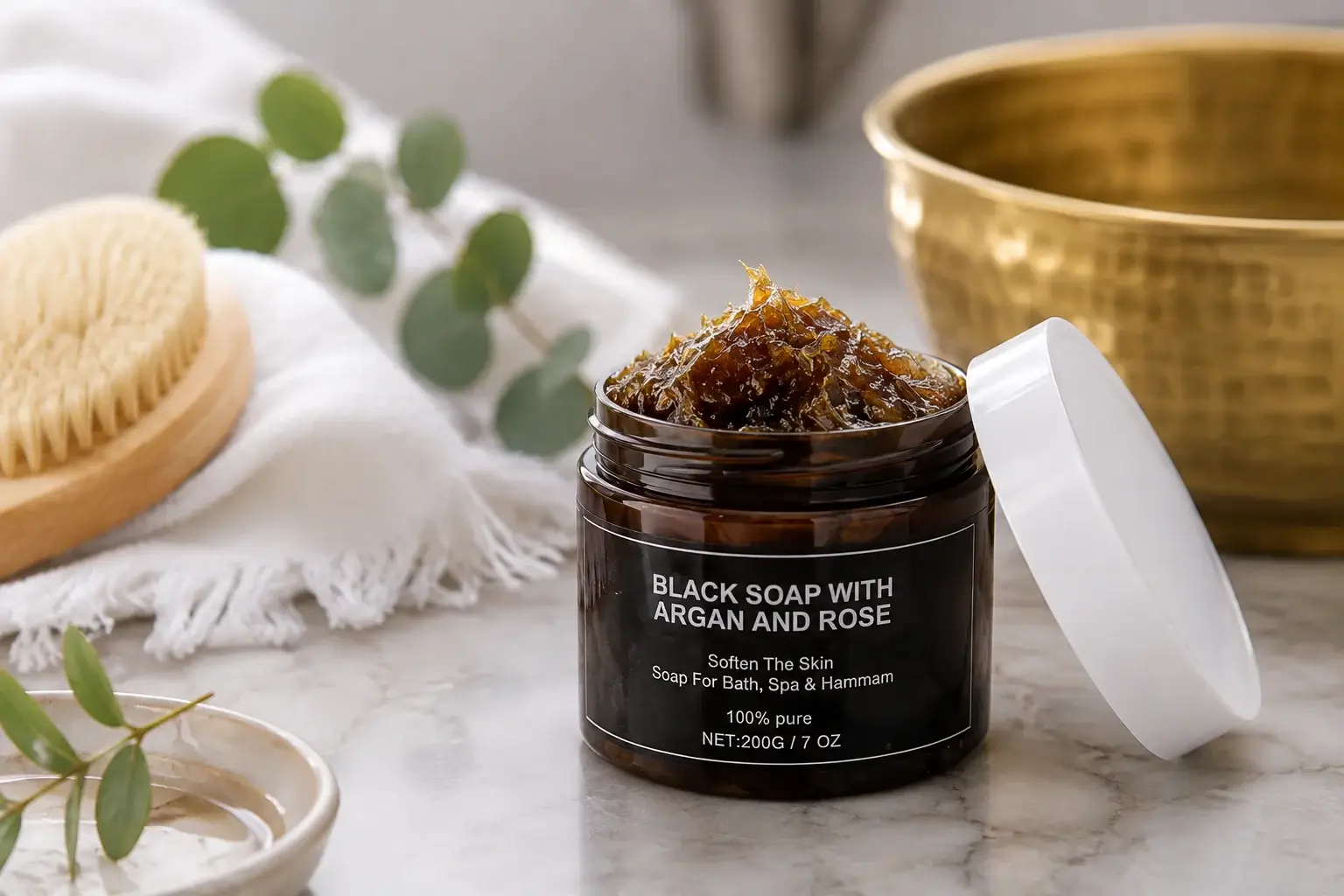
If you have ever explored traditional natural body-care rituals, you have likely encountered Moroccan black soap—known locally in Morocco as Savon Noir or Sabon Beldi. Unlike standard solid bar soaps or liquid body washes, Moroccan black soap is a dark, smooth, gel-like paste that has served as the foundation of North African bathing traditions for centuries.
Famous for its central role in the traditional Moroccan hammam, this unique olive-based cleansing paste offers exceptional skin-softening and deeply exfoliating properties. But what exactly is Moroccan black soap made of, how does it differ from other soaps on the market, and how can you use it effectively in your regular skincare routine? This complete guide breaks down everything you need to know about Moroccan black soap, including its benefits, step-by-step usage instructions, and practical tips for best results.
What Is Moroccan Black Soap?
Moroccan black soap is a 100% natural, plant-based cleansing paste made predominantly from crushed black olives, olive oil, and water, combined with potassium hydroxide (a traditional alkaline agent used in liquid and soft soap making). During production, macerated black olives are saponified, creating a rich, viscous gel rather than a hard bar.
Despite its name, Moroccan black soap is rarely pure black. Its color naturally ranges from deep dark green to brownish-black, depending on the specific olive harvest and production batch. Many traditional variations also incorporate eucalyptus essential oil, which contributes a refreshing, herbaceous aroma and adds mild antimicrobial benefits.
Moroccan Black Soap vs. African Black Soap
A common point of confusion for beauty enthusiasts is the difference between Moroccan black soap and West African black soap (often originating from Ghana or Nigeria). While both are celebrated natural cleansers, they are distinct products with different ingredients, textures, and intended uses:
| Feature | Moroccan Black Soap (Savon Noir) | West African Black Soap (Dudu-Osun / Alata Samina) |
|---|---|---|
| Primary Ingredients | Macerated black olives, olive oil, water, potassium hydroxide | Plantain skin ash, cocoa pod ash, palm oil, shea butter |
| Texture & Form | Soft, dark gel-like paste or soft butter | Crumbly, hard or semi-hard solid bar |
| Primary Function | Skin softening, pore preparation, deep body exfoliation | Clarifying daily wash, managing acne and oiliness |
| Application Method | Smoothed over warm skin, left briefly, rinsed before scrubbing | Lathered up with water like a standard soap bar |
Key Skin Benefits of Moroccan Black Soap
Moroccan black soap is far more than a simple cleanser. Its rich fatty acid profile and traditional formulation provide several distinct benefits for body care.
1. Prepares the Skin for Deep Exfoliation
The primary reason Moroccan black soap is so highly revered is its ability to soften the outer layer of the skin (the stratum corneum). The natural alkalinity and rich olive lipids break down accumulated sebum, grime, and dead skin cells, making it significantly easier to slough off dead skin without harsh chemical peels or abrasive microbeads.
2. Rich in Antioxidants and Vitamin E
Because it is crafted from nutrient-dense olives and olive oil, Moroccan black soap naturally retains high levels of Vitamin E and polyphenols. Vitamin E helps protect skin cells against environmental oxidative stress while supporting skin elasticity and softness.
3. Nourishes Without Stripping moisture
Many commercial body soaps use harsh synthetic surfactants that strip the skin barrier, leaving it feeling tight and dry. In contrast, the high olive oil content in Moroccan black soap helps maintain the skin’s moisture balance during the cleansing process, leaving skin hydrated and supple.
4. Suitable for Most Skin Types
Because traditional formulations contain minimal ingredients and no synthetic fragrances or artificial colorants, Moroccan black soap is generally gentle and suitable for dry, normal, oily, and sensitive skin types when used correctly.
How to Use Moroccan Black Soap: Step-by-Step
To experience the full benefits of Moroccan black soap, it must be applied correctly. Unlike regular soap, you do not lather it aggressively into a foam; instead, you allow its ingredients to soften the skin surface before rinsing.
Step 1: Warm Your Skin
Take a warm shower or bath for 5 to 10 minutes. The steam and warm water help open pores and soften the top layer of skin, preparing it for treatment.
Step 2: Apply the Soap Paste
Take a small scoop (about a tablespoon) of Moroccan black soap. Rub it between your palms and smooth it over your warm, damp skin in circular motions. The soap will form a smooth, non-foaming dark film over your body. Avoid applying soap to broken skin, fresh wounds, or delicate facial areas.
Step 3: Allow It to Soften the Skin
Leave the soap on your skin for 5 to 10 minutes while standing in the warm steam of your shower or bath. This step allows the natural saponified olive oil to soften dead skin cells and dissolve surface impurities.
Step 4: Thoroughly Rinse Off
Rinse away all traces of the soap using warm water. Your skin should feel exceptionally smooth and supple. Important: Do not skip the rinse. The physical exfoliation phase works best after the soap has been completely washed away.
Step 5: Exfoliate with a Kessa Glove
Dampen a traditional exfoliating glove (known as a Kessa glove). Firmly stroke the glove up and down your body using long, even strokes. You will quickly notice dead skin cells rolled into small grey particles rolling away from your skin surface. To master this technique, check out our guide on how to use a Kessa glove for smooth glowing skin.
Step 6: Rinse and Hydrate
Rinse your skin thoroughly with warm water to remove all dead skin residue. Finish your shower, pat your skin dry with a soft towel, and immediately apply a nourishing body oil, such as 100% pure Moroccan argan oil, to lock in deep hydration.
Incorporating Moroccan Black Soap into a Home Hammam Routine
Using Moroccan black soap at home is the core element of replicating a traditional spa bath experience. If you want to expand your self-care ritual beyond basic showering, you can build a complete weekly wellness routine.
For a complete breakdown of this ritual, read our complete Moroccan hammam routine at home guide. If you are setting up your personal bath space, review our recommendations on the best Moroccan hammam set for home to ensure you have the correct tools.
If you prefer step-by-step atmospheric advice, explore our step-by-step walkthrough on how to do a Moroccan bath at home, or consult our guide to Moroccan hammam steps at home for a traditional approach.
Common Mistakes to Avoid
While Moroccan black soap is natural and versatile, avoiding these common errors will ensure you get the best results without skin irritation:
- Exfoliating Too Frequently: Because deep exfoliation with Moroccan black soap and a Kessa glove is highly effective, it should only be performed once a week (or once every two weeks for dry or sensitive skin). Over-exfoliating can disrupt the natural skin barrier.
- Scrubbing While Soap Is Still on the Skin: Always rinse off the black soap entirely before using your exfoliating mitt. Friction against unrinsed soap reduces the mitt’s grip and prevents dead skin from rolling off effectively.
- Using Water That Is Too Hot: Hot water can strip essential moisture from your skin and cause inflammation. Use comfortably warm water instead.
- Improper Storage: Moroccan black soap should be kept in a sealed jar away from direct water stream. If shower water splashes inside the container, it can liquefy the paste and shorten its shelf life.
Frequently Asked Questions
Can I use Moroccan black soap on my face?
While some people use Moroccan black soap on their face, it generally has a higher pH than facial skin requires. It is best suited for body care. If you choose to use it on your face, select an unfragranced paste, leave it on for less than one minute, rinse thoroughly, and avoid vigorous scrubbing with an exfoliating glove.
How often should I use Moroccan black soap?
You can use Moroccan black soap as a gentle non-exfoliating body wash 2–3 times a week. However, when paired with a Kessa mitt for intense exfoliation, restrict the routine to once per week to avoid irritating your skin barrier.
Why does Moroccan black soap feel gel-like instead of hard?
Moroccan black soap is made using potassium hydroxide during saponification, combined with high concentrations of macerated olives and liquids. This traditional chemistry naturally produces a rich, malleable paste rather than a dry solid bar.
Does Moroccan black soap expire?
Authentic Moroccan black soap typically has a long shelf life (often 12 to 24 months) because of its low water availability and olive oil stability. Keep the jar tightly closed and dry between uses to maintain its gel consistency.
Conclusion
Moroccan black soap is one of the most effective, straightforward, and time-tested natural skin treatments available. By combining olive-rich nourishment with a deep exfoliating routine, it clears away dull skin cells, improves skin texture, and leaves your body feeling remarkably soft and renewed. By understanding how to apply it correctly and respecting your skin's natural barrier, you can easily enjoy this authentic spa ritual from the comfort of your home.