Ylang-Ylang Black Soap: Exotic Care and Natural Radiance
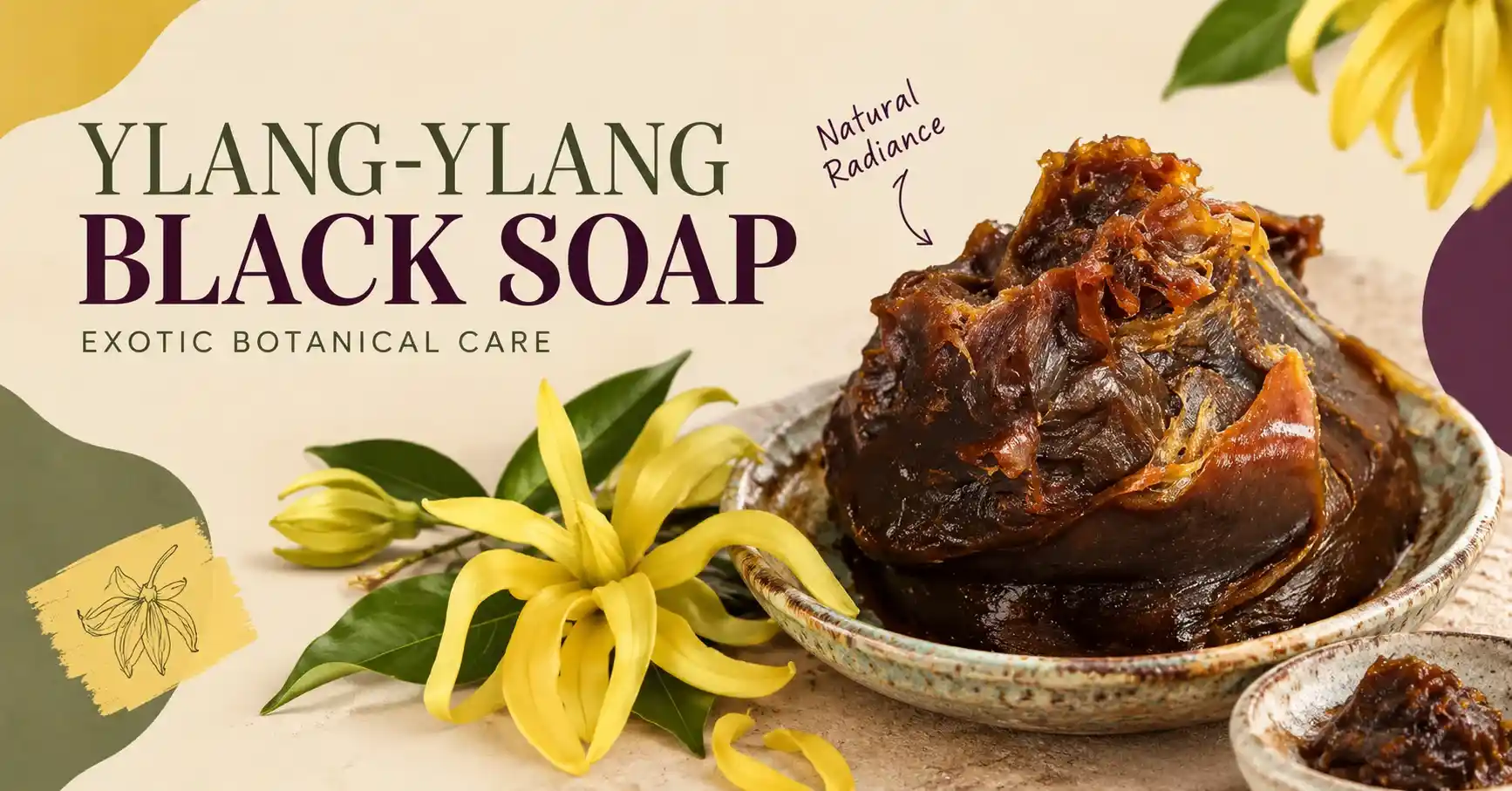
Unveiling Ylang-Ylang Black Soap: A Luxurious Fusion for Skin and Senses
In the world of natural skincare, few rituals match the deep physical cleansing and emotional relaxation offered by artisanal black soap. Originating from ancient Mediterranean and North African bathing traditions, olive-based black soap (traditionally known as Beldi soap) has long been revered for its ability to soften dead skin cells and purify the body. When infused with the intoxicating, sweet floral botanical essence of Ylang-Ylang (Cananga odorata), this humble olive paste transforms into an indulgent spa experience that delivers both exotic care and radiant skin illumination.
While classic formulations often lean on eucalyptus for a brisk, medicinal aroma, Ylang-Ylang black soap introduces an entirely different olfactory dimension. The rich, intoxicating floral notes calm the nervous system while its natural bioactive compounds help balance skin oils, boost moisture retention, and encourage a luminous, healthy complexion. To understand why this botanical marriage is gaining widespread acclaim, we must explore what makes Ylang-Ylang black soap unique, how it interacts with the skin barrier, and how to incorporate it into an effective home bathing ritual.
What Is Ylang-Ylang Black Soap?
At its foundation, Ylang-Ylang black soap is a variation of traditional paste soap crafted from dark olive pomace, crushed black olives, and potassium hydroxide—a saponification agent that creates a smooth, buttery paste rather than a hard bar. To understand the foundational chemistry, it helps to review what traditional black Beldi soap is and how it works across different skin types.
Unlike standard commercial body washes packed with synthetic surfactants, alcohol, and artificial perfumes, authentic Ylang-Ylang black soap derives its gel-like texture from saponified fatty acids and its heavenly scent directly from pure steam-distilled Ylang-Ylang flowers. The essential oil extracted from the yellow blossoms of the Cananga odorata tree brings a high concentration of aromatic volatile compounds, including linalool, geranyl acetate, and beta-caryophyllene.
It is important to differentiate this product from plant-ash soaps originating elsewhere in Africa. Understanding the key distinctions between African black soap versus Moroccan black soap helps clarify why olive-based pastes are uniquely suited for moisturizing and enzymatic skin softening rather than raw ash abrasion.
The Science and Sensory Power of Ylang-Ylang (Cananga odorata)
The addition of Ylang-Ylang essential oil is far more than a perfume upgrade; it provides distinct aromatherapeutic and dermatological benefits that elevate your shower routine into a holistic wellness ritual.
1. Sebum Regulation and Skin Balance
Ylang-Ylang essential oil is widely recognized in phytotherapy for its adaptive properties on human skin. It helps harmonize oil production, making it equally effective for dry patches and overactive sebaceous glands. According to scientific studies on Cananga odorata bioactivity, the essential oil exhibits notable antimicrobial and antioxidant activities that protect lipid membranes from environmental oxidative stress while maintaining healthy surface flora.
2. Aromatherapeutic Stress Relief
Skin condition and nervous system health are intimately linked through the gut-brain-skin axis. Inhaling the sweet, exotic aroma of Ylang-Ylang while bathing activates the parasympathetic nervous system, helping to reduce cortisol levels and alleviate physiological tension. Reduced stress directly correlates with lower cutaneous inflammation, resulting in calmer, clearer, and naturally radiant skin.
3. Rich Fatty Acid Nutrition
The olive base of the soap is naturally dense in vitamin E (alpha-tocopherol), polyphenols, and oleic acid. As dermatological research on plant lipid soaps indicates, topical application of saponified monounsaturated fatty acids temporarily loosens intercellular lipids in the stratum corneum, enabling gentle sloughing of dead cellular debris while depositing protective lipid moisture.
Exotic Care vs. Traditional Blends: Why Choose Ylang-Ylang?
Many skincare enthusiasts are familiar with classic herbal soap pastes, but choosing between formulations depends on your individual skincare goals and sensory preferences.
| Feature | Ylang-Ylang Black Soap | Eucalyptus Black Soap |
|---|---|---|
| Aroma Profile | Sweet, rich floral, exotic, and relaxing | Crisp, herbal, camphoraceous, and invigorating |
| Primary Benefit | Moisture retention, mood relaxation, radiance | Respiratory opening, pore detox, cooling relief |
| Best For | Dry, dull, combination, or stressed skin | Congested, oily skin or post-workout recovery |
| Sensory Experience | Sensual, warming tropical bath experience | Invigorating, clearing steam shower session |
While many turn to eucalyptus black soap for pore detox when dealing with heavy congestion, Ylang-Ylang provides a softer, more soothing alternative designed for skin renewal, hydration, and luminous glow.
How Ylang-Ylang Black Soap Unlocks Natural Radiance
True skin radiance is not achieved through harsh chemical bleaches or aggressive physical scrubs that compromise the epidermal barrier. Instead, it comes from smooth surface texture, optimal light reflection, and healthy microcirculation.
Non-Abrasive Exfoliation
Because black soap is naturally alkaline (pH around 8.5 to 9.5), it acts as an enzymatic soft-peel. When applied to warm, moist skin, it breaks down the protein bonds holding dead skin cells to the epidermis. Rather than scratching the skin with sharp micro-beads or walnut shells, it prepares dead layers to roll off effortlessly under light physical pressure.
Cellular Turnover and Microcirculation
Massaging the creamy Ylang-Ylang paste over your body stimulates localized lymphatic drainage and capillary blood flow. Increased circulation delivers oxygen and fresh nutrients to epidermal tissues, resulting in an immediate rosy, youthful flush and long-lasting radiance.
Step-by-Step Guide: The Ultimate Radiant Body Ritual at Home
To experience the full transformative power of Ylang-Ylang black soap, follow this traditional step-by-step bathing ritual at home:
Step 1: Soften the Skin with Warm Steam
Begin by taking a warm shower or bath for 5 to 10 minutes. The warmth opens cutaneous pores and softens the outermost layer of dead skin cells (stratum corneum). Ensure your bathroom traps enough steam to simulate a traditional steam room.
Step 2: Apply the Ylang-Ylang Soap Paste
Turn off the running water. Take a small scoop (about a tablespoon) of Ylang-Ylang black soap and smooth it evenly across your damp body. The dark, velvety paste will glide on easily without foaming heavily. Focus on areas prone to dryness or rough texture, such as elbows, knees, and heels.
Step 3: Pause for Aromatherapeutic Inhalation
Allow the soap to rest on your skin for 5 to 7 minutes. Close your eyes and inhale deeply. Let the warm steam amplify the exotic floral bouquet of Ylang-Ylang to relieve mental stress and physical tension while the soap softens dead surface skin.
Step 4: Gentle Exfoliation with a Kessa Glove
Rinse away all the soap completely with warm water. Your skin should feel thoroughly clean and slightly slippery. Take a damp exfoliating glove and begin buffing the skin in long, firm vertical strokes. You will see dead skin cells roll away in dark rolls, revealing ultra-soft, fresh skin beneath. Learning how to use a Kessa glove for smooth skin properly ensures you achieve maximum dead skin removal without skin irritation.
Step 5: Lock in Moisture
Pat your skin dry with a clean towel and immediately follow up with a light organic body oil (such as Argan or Jojoba oil) or a rich botanical body lotion while your skin is still slightly damp to seal in hydration.
Can You Use Ylang-Ylang Black Soap on Your Face?
While Ylang-Ylang black soap is an incredible treatment for the body, facial application requires special care. Facial skin is significantly thinner and has a delicate acid mantle (pH ~5.5). Because olive-based black soap is naturally alkaline, frequent facial application may temporarily alter skin pH.
If you are considering using Moroccan black soap on sensitive facial skin, follow these guidelines:
- Limit facial use to once a week max as a clarifying mask treatment.
- Avoid the delicate eye contour completely.
- Leave the soap on facial skin for no more than 60 to 90 seconds before rinsing thoroughly.
- Follow immediately with an acidic toner (like organic rose water) to restore natural cutaneous pH.
- Perform a patch test behind the ear to check for essential oil sensitivity.
Safety and Botanical Regulatory Standards
When selecting natural bath products containing pure botanical essential oils, quality and regulatory compliance matter. Essential oils like Ylang-Ylang contain natural aromatic allergens such as linalool, benzyl benzoate, and geraniol. According to EU CosIng cosmetic ingredient guidelines, these constituents must be carefully formulated within safe, standardized concentration limits to prevent contact dermatitis or photo-sensitization.
"Natural cosmetics require precise balance; combining rich botanical lipids with pure essential oils yields maximum skin benefits only when ingredient purity and safety standards are strictly maintained."
Frequently Asked Questions
1. How often should I use Ylang-Ylang black soap?
For deep body exfoliation using an exfoliating mitt, use Ylang-Ylang black soap 1 to 2 times per week. For general daily washing without scrub mitts, it can be used every 2 to 3 days depending on your skin's hydration levels.
2. Is Ylang-Ylang black soap suitable for sensitive skin?
Yes, provided you do not have a known allergy to essential oils. Because it relies on saponified olive oil rather than harsh artificial detergents, it is very gentle. Always perform a quick patch test on your inner arm if you have extremely reactive skin.
3. Why does the texture of black soap feel like a gel or thick paste?
Traditional black soap is saponified using potassium hydroxide rather than sodium hydroxide (which yields hard bar soaps). This keeps the product soft, pliable, and gel-like, making it easy to spread smoothly over damp skin.
4. Will the Ylang-Ylang scent linger on my skin after rinsing?
Ylang-Ylang essential oil leaves a soft, delicate, tropical floral aroma on the skin after rinsing, but it is not overpowering like synthetic fragrances. Following up with an unscented or complementary natural body oil helps preserve the subtle scent.
5. Can Ylang-Ylang black soap help with bumpy skin or keratosis pilaris?
Yes. By softening keratin buildup around hair follicles and allowing gentle removal of dead cellular debris during exfoliation, regular use of Ylang-Ylang black soap helps smooth bumpy skin texture over time.