African Black Soap vs Moroccan Black Soap: Key Differences
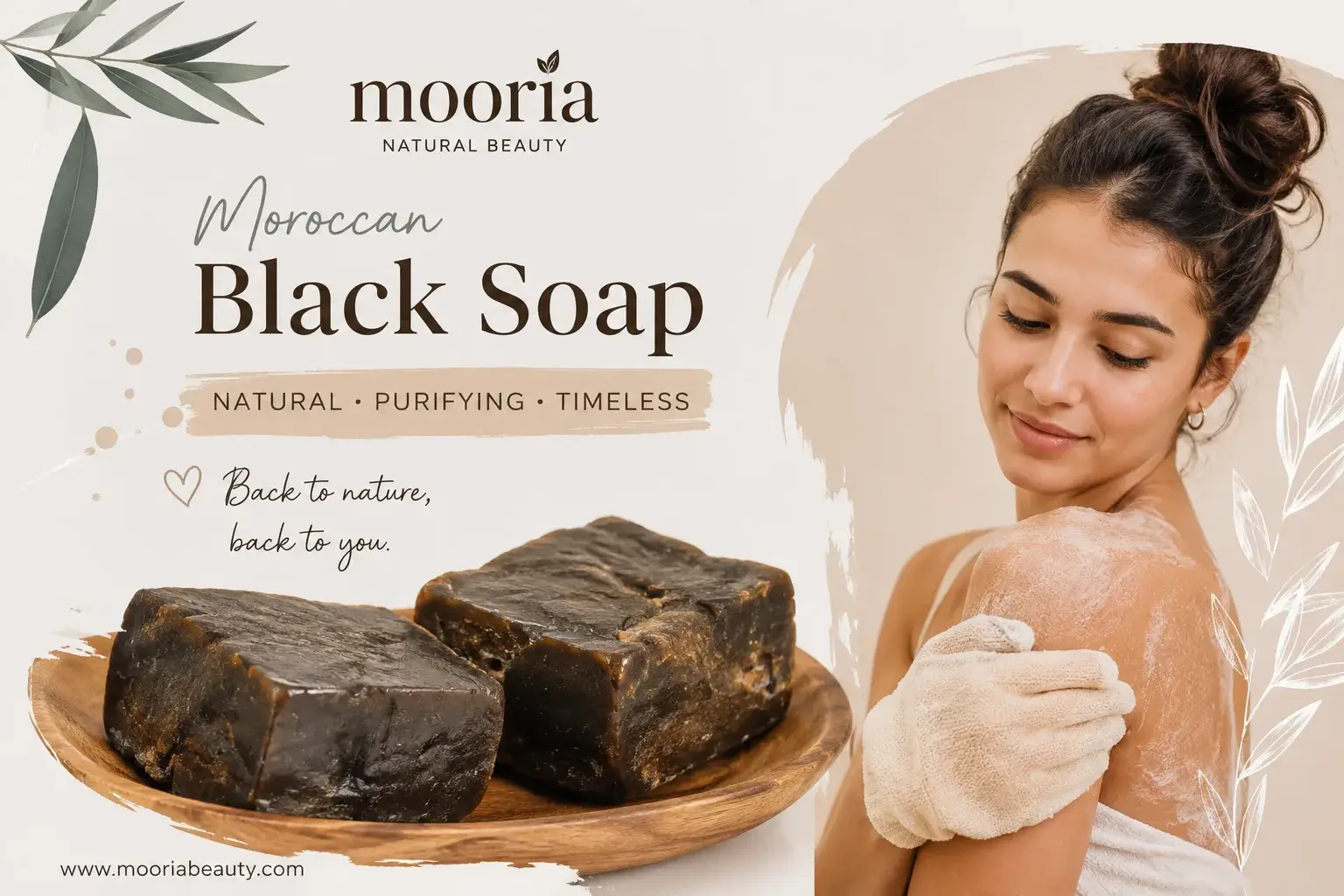
When browsing natural skincare options, few products cause as much confusion as black soap. Specifically, African Black Soap and Moroccan Black Soap (traditionally known as Sabon Beldi) share a similar descriptive name, but they are entirely different skincare products. Originating from distinct geographical regions, crafted with completely different ingredients, and serving unique roles in body-care routines, comparing the two is less about finding which is "better" and more about understanding which one fits your specific skin type and goals.
If you have ever wondered why one is a crumbly brown bar while the other is a dark, jelly-like paste, this comprehensive guide breaks down the real differences in formulation, texture, benefits, application methods, and skin compatibility.
At a Glance: African Black Soap vs. Moroccan Black Soap
Before diving into detailed formulations, here is a quick breakdown highlighting how these two iconic natural soaps compare side-by-side:
| Feature | African Black Soap (Alata Samina / Ose Dudu) | Moroccan Black Soap (Sabon Beldi) |
|---|---|---|
| Geographic Origin | West Africa (Ghana, Nigeria) | North Africa (Morocco) |
| Traditional Base | Plantain skin ash, cocoa pods, palm oil, shea butter | Macerated black or green olives, olive oil, potassium hydroxide |
| Physical Texture | Solid bar or raw crumbly block; light brown to dark brownish-black | Smooth, gelatinous paste; dark green, brownish, or black gel |
| Primary Function | Deep cleansing, oil control, clarifying acne-prone skin | Skin softening, hydration, preparing skin for physical exfoliation |
| Exfoliation Type | Enzymatic / mild chemical (ash lye) & light manual grit | Physical exfoliation helper (softens dead skin before scrubbing) |
| Best For | Oily, acne-prone, or hyperpigmentation-prone skin | Dry, dull, normal skin, and body hammam rituals |
What Is African Black Soap?
African Black Soap—known locally in West Africa by names such as Alata Samina in Ghana or Ose Dudu in Nigeria—is a traditional hand-crafted soap prized for centuries across West Africa. Despite its name, authentic African Black Soap is rarely pitch black; its color typically ranges from light brown to deep earthy bronze.
Ingredients and Traditional Production
The core signature of authentic African Black Soap lies in its natural lye source. Unlike modern commercial soaps made using purified sodium hydroxide, traditional West African artisan soap makers harvest agricultural byproducts to create an alkaline ash:
- Plantain skin ash and cocoa pod ash: Dried sun-baked peels and pods are burned to ashes, producing potassium-rich natural lye.
- Unrefined Shea Butter: Added for moisture and skin barrier support.
- Palm kernel oil or coconut oil: Supplies cleansing fatty acids that build a rich lather.
- Water: Used to extract the lye from the ash before slow-cooking with the oils.
The mixture is cooked for hours while being stirred, poured into molds, and left to cure for several weeks. The result is a bar soap with an earthy aroma, semi-soft structure, and high pH natural cleansing power.
Key Benefits of African Black Soap
African Black Soap is widely praised for its clarifying properties. Because it contains natural plant ashes and unrefined fats, it acts as a deep cleanser that breaks down excess sebum, buildup, and bacteria. Research published in the Journal of Clinical and Aesthetic Dermatology notes that natural formulations containing plant-derived fatty acids and anti-inflammatory botanicals can effectively manage acne-prone and oily skin conditions when used appropriately.
What Is Moroccan Black Soap (Sabon Beldi)?
Moroccan Black Soap, or Sabon Beldi, is a cornerstone of North African bathing tradition. Born in the Maghreb region, this soap was specifically designed as a preparatory treatment for steam baths (hammams) to soften dead skin prior to body scrubbing.
Ingredients and Craftsmanship
Unlike African Black Soap, Moroccan Black Soap relies almost entirely on olive agriculture. Its ingredient list is remarkably short, minimalist, and moisturizing:
- Macerated Olives: Crushed black or green olive pomace and pulp rich in antioxidants and polyphenols.
- Olive Oil: Cold-pressed olive oil supplying abundant Vitamin E, oleic acid, and essential fatty acids.
- Potassium Hydroxide: Saponifying agent that reacts with olive oil to yield a soft paste rather than a hard bar.
- Eucalyptus Essential Oil (Optional): Frequently added to provide an invigorating herbal aroma and respiratory clarity in steam settings.
The mixture forms a luxurious, dark green or translucent dark brown paste with a smooth, gel-like texture that melts into the skin upon contact with warm water.
Key Benefits of Moroccan Black Soap
Moroccan Black Soap does not rely on heavy lather. Instead, it works by penetrating stratum corneum layer cell bonds, swelling dead skin cells so they easily peel off during body exfoliation. It is exceptionally rich in natural lipid antioxidants and fatty acids, leaving skin soft, supple, and hydrated rather than stripped dry.
The Key Differences Explained
To choose the right soap for your regimen, it helps to analyze how these products differ across four primary categories: texture, exfoliation mechanism, skin type suitability, and intended routine.
1. Texture and Appearance
African Black Soap is a solid, pliable bar that can easily be broken off into smaller pieces. It often has a speckled, uneven surface with visible specks of plant matter. When mixed with water, it produces a rich, fluffy foam.
Moroccan Black Soap is a pliable, glossy paste. It never hardens into a solid bar. When applied to wet skin, it spreads smoothly like a dark butter and forms a light, creamy micro-lather rather than big soap bubbles.
2. How They Exfoliate the Skin
Understanding chemical vs physical exfoliation is essential when comparing these two soaps:
- African Black Soap: Provides gentle enzymatic exfoliation from natural ashes alongside minor physical texture. It chemically breaks down surface oil and detritus during normal washing.
- Moroccan Black Soap: Acts as a physical exfoliation primer. It softens skin structure, allowing dead skin to roll off effortlessly when paired with a textured mitt like a kessa glove for painless dead skin removal.
3. Suitable Skin Types
Because African Black Soap is naturally high in alkaline ash and clarifying oils, it excels for oily, combination, or breakout-prone body skin. However, individuals with severely dry or sensitive skin might find frequent use drying if not followed by a rich moisturizer.
Moroccan Black Soap is far gentler on dry, delicate, or mature skin types. Its high concentration of olive oil cushions the skin barrier, making it an excellent option if your main skincare goal is learning how to get glowing, even-toned skin without causing irritation.
4. Application and Routine Integration
African Black Soap fits easily into daily shower routines as a primary face or body wash. You simply lather the bar in wet hands and massage the foam gently over the skin before rinsing.
Moroccan Black Soap is traditionally used 1–2 times per week as a deep body treatment. For optimal results, steam your body in a warm bath or shower, spread a layer of soap over damp skin, leave it on for 5 to 10 minutes, rinse off completely with warm water, and scrub the skin with an exfoliating mitt. This method is an effective solution when working out how to get rid of strawberry legs fast, as it helps clear clogged follicular pores.
Whether you are looking to host a traditional Moroccan bath hammam at home or simply seeking an elevated weekly body treatment, Moroccan Black Soap remains the undisputed gold standard for bath rituals.
Which Soap Should You Choose?
Select African Black Soap if:
- You suffer from facial or body acne, excessive oiliness, or congested pores.
- You want an everyday natural bar soap for clarifying shower routines.
- You need a natural soap that builds a thick, cleansing lather.
Select Moroccan Black Soap if:
- Your goal is intense body exfoliation and deep skin softening.
- You suffer from dry, flaky, or dull body skin.
- You want to recreate an authentic spa hammam ritual at home using an exfoliating mitt.
Best Practices and Avoidable Mistakes
Skincare Pro-Tip: Never rub raw African Black Soap directly onto your face or sensitive body areas. The natural specks of plant matter inside unrefined bars can cause microscopic surface micro-tears. Always lather the soap in your wet hands first, then apply only the foam to your skin.
When using Moroccan Black Soap, remember that the soap itself is not an abrasive scrub. Do not attempt to scrub while the soap paste is still on your body. The key to the tradition is leaving the paste on for several minutes to soften dead skin, rinsing all soap off entirely, and then using your damp Kessa glove on clean skin to slide away dull epidermal cells.
Frequently Asked Questions
Can I use African Black Soap and Moroccan Black Soap on my face?
African Black Soap can be used on the face, particularly for oily or acne-prone complexions, provided you dilute the lather well and follow up immediately with a hydrating moisturizer. Moroccan Black Soap is primarily formulated as a body care product; while pure olive oil soap is safe, its rich texture and steam application make it far more suitable for body care than delicate facial skin.
Is African Black Soap drying?
Because traditional ash lye gives African Black Soap a higher alkaline pH than standard acidic skin pH, frequent daily use can feel drying for normal to dry skin types. To prevent tight skin, restrict use to 2–3 times a week or follow immediately with nourishing body oils like argan oil or jojoba oil.
Why isn't Moroccan Black Soap solid?
Moroccan Black Soap is made using potassium hydroxide (potash) saponification combined with high olive oil lipid content. Saponifying oils with potassium hydroxide results in soft liquid or gel soaps, whereas sodium hydroxide produces hard bar soaps.
Final Words
Although African Black Soap and Moroccan Black Soap share a name, they represent two distinctly wonderful traditions of natural skincare heritage. African Black Soap is a powerhouse for clarifying oil and treating stubborn blemishes, while Moroccan Black Soap is an indulgent, deeply hydrating precursor to invigorating body exfoliation. Incorporating either—or both—into your self-care regimen depends on listening to what your skin needs most.