How to Do a Traditional Moroccan Bath (Hammam) at Home
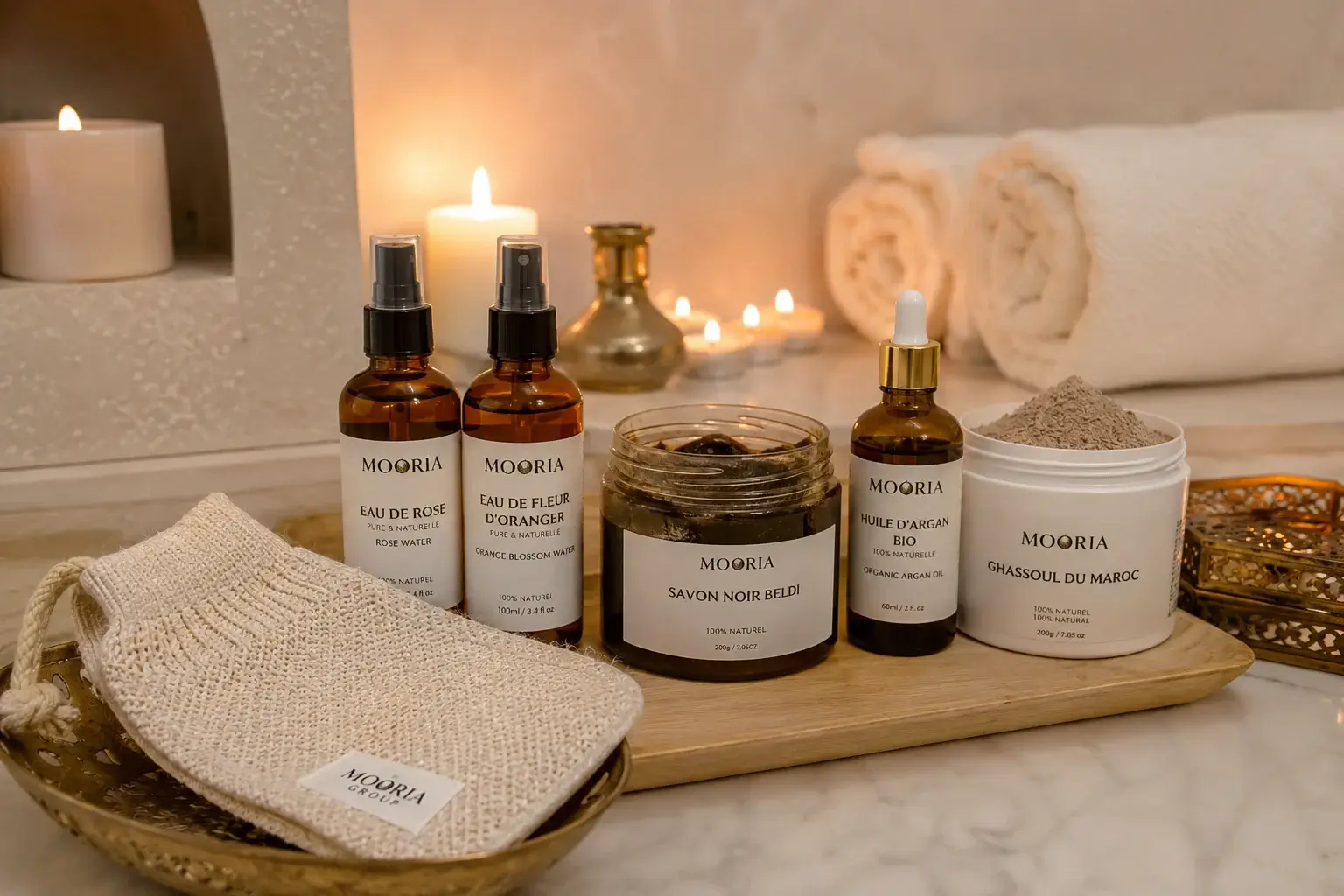
For centuries, the public bathhouse, or hammam, has been a cornerstone of Moroccan culture. Far more than a simple hygiene routine, the traditional hammam is a restorative ritual designed to cleanse the body, stimulate circulation, purge skin impurities, and promote deep relaxation. Centered around steam, rich botanical ingredients, and meticulous physical exfoliation, this centuries-old practice leaves the skin exceptionally soft, glowing, and thoroughly refreshed.
While visiting a traditional bathhouse in Marrakech or Fez is an unforgettable experience, you do not need to travel to North Africa to enjoy its transformative benefits. With a few authentic items and the right sequence of steps, you can easily turn your own bathroom into a sanctuary of renewal. Here is your ultimate guide on how to perform a traditional Moroccan bath at home.
Understanding the Philosophy of the Moroccan Hammam
In traditional Moroccan wellness, skincare is holistic. The hammam relies on a sequence of warming, softening, mechanical exfoliation, and deep hydration rather than harsh synthetic detergents or aggressive chemical peels. Instead of rushing through a five-minute shower, the ritual encourages slowness and mindfulness.
By combining heat, humidity, and time-tested natural ingredients, the bath relaxes tight muscles while loosening the layer of dead skin cells (keratinocytes) that accumulate on the surface of the body. The result is a level of smoothness that standard loofahs and body washes simply cannot replicate.
Essential Supplies for Your At-Home Moroccan Bath
To recreate an authentic experience, you will need a few foundational traditional products. Each serves a specific functional purpose in the cleansing sequence:
- Moroccan Black Soap (Sabon Beldi): A dark, gel-like paste traditionally made from saponified olive oil and crushed black olives. Rich in Vitamin E, it coats the skin to soften dead skin tissue without stripping away lipid moisture.
- The Kessa Exfoliating Glove: A crepe-textured mitt specifically designed to catch and roll away loosened dead skin. Understanding what is a Kessa glove and how its unique weave grips surface debris is essential to achieving that iconic hammam finish.
- Moroccan Ghassoul (Rhassoul) Clay: A mineral-rich volcanic clay extracted from the Atlas Mountains. Mixed with water or rose hydrosol, it acts as a purifying body and hair mask that draws out excess sebum and lingering impurities.
- Pure Moroccan Argan Oil: A lightweight, non-comedogenic oil rich in essential fatty acids and antioxidants, used in the final step to seal in moisture.
- Organic Rosewater: A gentle floral hydrosol used to soothe, tone, and cool the skin following heat and exfoliation.
Step-by-Step Guide to the At-Home Hammam Ritual
Step 1: Create Steam and Prepare the Environment
The success of a hammam depends heavily on heat and humidity. Steam softens the stratum corneum (the outermost layer of skin) and opens pores, allowing the black soap to penetrate effectively.
- Close all windows and doors in your bathroom to trap steam.
- Turn your shower to a hot temperature and allow the steam to build up for 5 to 10 minutes.
- Sit in the steam-filled room and let your body warm up. If you prefer a bathtub, soak in hot water for 10 to 15 minutes without adding bath oils or bubble baths, as these can create a barrier on the skin.
Step 2: Soften the Skin with Moroccan Black Soap
Once your skin is thoroughly warm and damp, turn off the water flow. Take a scoop of Moroccan black soap (about two tablespoons for the full body) and spread it evenly over your warm, moist skin.
The soap will not create a heavy lather like conventional soaps; instead, it transforms into a slick, silky lotion. Apply it liberally from your neck down to your feet. Leave the soap on your skin for 5 to 10 minutes while standing in the warm steam. During this window, the fatty acids and high pH of the saponified olive oil work to break down the intercellular glue holding dead skin cells together.
Step 3: Rinse Thoroughly
This step is critical. Rinse off every trace of the black soap using warm water. The skin must be completely free of soap residue before you begin exfoliation. If soap remains on the body, the Kessa glove will slip across the skin surface rather than creating the necessary friction to lift dead cells.
Step 4: Deep Exfoliation with the Kessa Glove
Wet your Kessa glove with warm water and squeeze out the excess. Step away from direct running water so your skin remains damp but not completely submerged.
Using firm, long, vertical strokes, rub the glove up and down over your skin. Focus on one region at a time—such as your forearms, thighs, or shoulders. Within a few strokes, you should see grey or dark rolls of dead skin cells lifting away from your body. This natural shedding process is a hallmark of the hammam.
When evaluating chemical vs physical exfoliation methods, the physical action of the Kessa glove stands out for providing immediate, visible results without relying on synthetic acids. Remember to adjust your pressure over sensitive areas like the chest or inner thighs, and never scrub inflamed or broken skin.
Step 5: Purify with a Ghassoul Clay Body Mask
After rinsing away the exfoliated skin particles, it is time to purify and calm the fresh skin layer underneath. Mix Ghassoul clay powder with warm water or rosewater in a non-metallic bowl until it forms a smooth, brushable paste.
Smooth the clay mask over your body and, if desired, through your hair and scalp. Let the mask sit for 5 to 10 minutes. The high mineral concentration of Ghassoul—rich in magnesium, silica, and potassium—helps balance skin texture and absorb remaining oils. Rinse thoroughly with lukewarm water.
Step 6: Cool, Tone, and Hydrate
Finish your shower with a slightly cooler rinse to help close pores and reset your body temperature. Pat your skin dry gentle with a clean towel, leaving it slightly damp.
Mist your face and body with pure rosewater to soothe the skin barrier. Finally, warm a generous amount of pure cold-pressed argan oil between your palms and massage it into your body. This seals in hydration and provides a radiant, velvety finish, key for achieving glowing, even-toned skin year-round.
The Key Benefits of an At-Home Moroccan Bath
Incorporating a traditional Moroccan bath into your self-care routine every one to two weeks offers numerous visible and physical benefits:
| Benefit | How the Hammam Achieves It |
|---|---|
| Superior Cell Turnover | Removes compacted dead skin cells that cause dullness and rough texture. |
| Unclogged Pores & Smooth Texture | Helps clear trapped keratin, directly assisting in getting rid of strawberry legs fast and preventing ingrown hairs. |
| Boosted Circulation | Rhythmic scrubbing with the Kessa glove stimulates lymphatic drainage and microcirculation. |
| Enhanced Moisture Absorption | With surface debris removed, post-bath treatments like argan oil absorb significantly faster. |
Common Mistakes to Avoid During Your At-Home Hammam
- Scrubbing While Soap Is Still on the Skin: The black soap is meant to prep the skin, not act as a lubricant for scrubbing. Always rinse it off completely before using the Kessa glove.
- Using Excessive Pressure: Over-scrubbing can disrupt the cutaneous skin barrier and lead to redness or irritation. Let the crepe weave of the glove do the mechanical work.
- Exfoliating Too Frequently: Because the Kessa glove provides a deep physical exfoliation, doing this ritual more than once a week can over-exfoliate the skin. Stick to a weekly or bi-weekly cadence.
- Neglecting Post-Bath Hydration: Freshly exfoliated skin requires immediate lipid replenishment to prevent transepidermal water loss.
Enhancing Your Experience: Hair and Scalp Care
In traditional bathhouses, hair care is integrated seamlessly into the bath routine. While your Ghassoul mask is working on your body, you can treat your hair to deep conditioning. If you struggle with dry ends or scalp buildup, applying natural oils after the shower can restore shine and balance. Many people wonder whether you can leave argan oil in hair overnight after a bath—and the answer is yes; doing so provides intensive overnight hydration for dry or brittle strands.
Frequently Asked Questions
How often should I do a Moroccan bath at home?
For optimal skin health, perform a full Moroccan bath routine once every 7 to 14 days. Exfoliating too frequently with a Kessa glove can wear down the natural moisture barrier and cause sensitivity.
Can people with sensitive skin do a Moroccan bath?
Yes, but modifications are recommended. Limit the time black soap remains on the skin to 3 minutes, use light pressure with the Kessa glove, and ensure you use gentle, 100% natural pure argan oil afterward to soothe the skin.
What if I do not see rolls of skin coming off?
If skin is not rolling off, it usually means your skin was not warm or damp enough before scrubbing, or that black soap residue was not rinsed completely. Ensure you spend at least 10 minutes in a steamy environment before attempting to exfoliate.
Is Moroccan black soap suitable for the face?
Moroccan black soap can be used on the face occasionally, but because it has a slightly alkaline pH, it should be kept away from the delicate eye area and rinsed off promptly. Avoid aggressive scrubbing with the Kessa glove on facial skin.
Conclusion
Transforming your bathroom into a Moroccan hammam is one of the most effective and luxurious self-care practices you can adopt at home. By utilizing simple, natural botanical ingredients alongside traditional physical exfoliation techniques, you unlock softer, clearer, and healthier skin while enjoying a soothing spa experience. Set aside an hour this weekend, warm up your shower, and enjoy this timeless beauty ritual.