Moroccan Kessa Exfoliating Glove: Benefits & How to Use
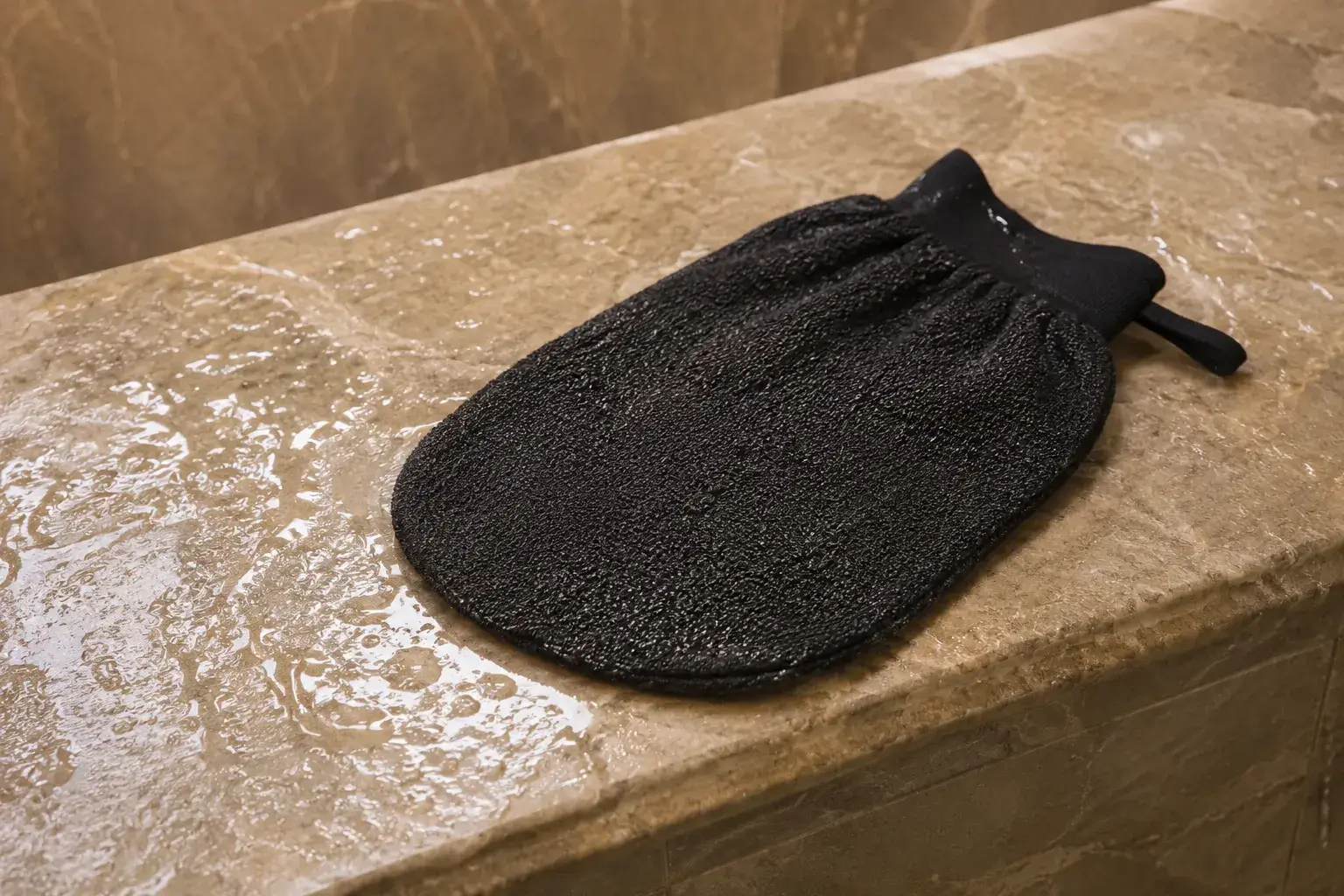
For centuries, the traditional Moroccan bath house—known as the Hammam—has served as a sanctuary for cleansing, rejuvenation, and social connection. At the absolute heart of this ancient wellness ritual lies a deceptively simple yet remarkably powerful skincare tool: the Moroccan exfoliating glove, traditionally called the Kessa (or Kiis).
Unlike ordinary mesh sponges or synthetic shower loofahs that merely lather soap, a genuine Kessa glove works through deep, mechanical friction. When paired with proper steam and traditional preparations, it rolls away layers of dead skin cells, debris, and built-up impurities, leaving the skin astonishingly smooth, radiant, and renewed. In this comprehensive guide, we will unveil the history, mechanism, benefits, and correct step-by-step technique to master the Moroccan Kessa glove in your own bath routine.
What is a Moroccan Kessa Glove?
The Kessa is a textured mitt or glove designed specifically for intensive body exfoliation. Traditionally made from tightly woven viscose, crepe rayon, or coarse goat hair threads, the fabric features a micro-granular texture that catches onto dead skin without scratching or causing micro-tears when used properly on prepped skin.
In Moroccan culture, bathing is not viewed merely as a quick hygiene chore, but as an essential ritual of purification. The Kessa glove is an integral part of this ritual, designed to be used after the skin has been thoroughly softened by ambient steam and bathed in traditional botanical soaps.
Key Features of an Authentic Kessa Glove
- Granular Crepe Weave: The unique weave provides uniform texture, ensuring balanced exfoliation across large surfaces like legs, arms, and back.
- Friction-Driven Action: It relies on friction rather than chemical agents or abrasive beads to strip away dead epidermal layers.
- Durability: High-quality Kessa gloves retain their tactile grit over numerous uses without losing shape or unraveling.
- Ergonomic Fit: Typically designed as a flat pouch mitt that fits comfortably over the hand, enabling firm, controlled pressure.
Top Skin Benefits of the Kessa Exfoliating Glove
Integrating a Moroccan exfoliating glove into your weekly body care routine delivers transformative visible results. Here is why this traditional tool remains unmatched by modern body scrubs:
1. Complete Removal of Dead Skin Cells
Unlike cosmetic body scrubs that often rely on oils and sugar granules—which can leave an oily film and melt quickly under hot water—the Kessa glove physically grips dead skin cells. As you rub the mitt over softened skin, you will literally see gray rolls of dead skin lift off the body—a satisfying process known in Morocco as L'mousse.
2. Unclogging Pores and Preventing Ingrown Hairs
Keratin build-up, excess sebum, and residual body lotions frequently clog skin pores, leading to dullness, body acne, and stubborn ingrown hairs—particularly after shaving or waxing. Regular exfoliation with a Kessa glove clears follicle openings, allowing hair to grow out naturally and preventing bumpy texture (often called 'strawberry legs').
3. Stimulating Circulation and Lymphatic Drainage
The firm, sweeping motions required to exfoliate with a Kessa encourage localized blood circulation. Increased microcirculation brings oxygen and vital nutrients to the skin's surface, promoting cellular turnover and contributing to a healthier, firmer appearance.
4. Enhancing Absorption of Skincare Products
When the top layer of dead skin is removed, topical moisturizers, body oils, and lotions penetrate far more effectively. Applying nourishers after a Kessa treatment yields maximum hydration benefits.
The Perfect Partner: Moroccan Black Soap (Beldi)
To experience the full power of a Kessa glove, understanding its companion product is crucial. In a traditional Hammam ritual, the glove is almost never used on dry or untreated skin. Instead, it is paired with Moroccan Black Soap, locally known as Savon Noir or Beldi soap.
Moroccan Black Soap is a gel-like paste made from saponified olive oil and macerated black olives, rich in Vitamin E. It acts as a deep skin softener. When applied in a steamy environment, the olive paste breaks down the intercellular lipid bonds holding dead skin cells together. Once rinsed away completely, the skin becomes perfectly prepped for the Kessa glove to sweep away the softened dead layer effortlessly.
Step-by-Step Guide: How to Use the Kessa Glove at Home
To replicate an authentic Moroccan Hammam experience and achieve skin that feels soft, follow these step-by-step instructions carefully:
Step 1: Soak and Steam
Run a warm-to-hot bath or shower. Allow the bathroom to fill with steam for 10 to 15 minutes. Soak your body in the warm water. Steam is essential because it opens the pores and thoroughly hydrates the outer skin layers.
Step 2: Apply Black Soap
Take a small tablespoon-sized amount of Moroccan Black Soap and smooth it over your warm, damp body. Work it into a light, low-foaming paste. Leave the soap on your skin for 5 to 10 minutes to allow the natural fatty acids and olive oils to penetrate and loosen dead skin.
Step 3: The Critical Rinse
This step is essential: Thoroughly rinse off all the Black Soap with warm water. No soap residue should remain on your body. If the skin remains slick or soapy, the Kessa glove will slip across the surface rather than creating the friction needed to peel away dead skin.
Step 4: Dampen the Kessa Glove
Wet your Kessa glove thoroughly with warm water, then wring out all excess water so it is damp, not dripping wet. Do not add any soap or body wash to the glove itself.
Step 5: Exfoliate with Firm, Back-and-Forth Motion
Begin scrubbing your skin using firm, back-and-forth or up-and-down strokes (rather than tiny circles). Start with your limbs—arms, calves, thighs—and move toward the torso. Within a few seconds of firm friction, you will see dead skin roll up into dark gray particles.
Safety Note: Adjust pressure according to your skin sensitivity. Never scrub broken skin, open wounds, active eczema flares, or freshly sunburned areas.
Step 6: Final Rinse and Hydration
Rinse your body thoroughly with lukewarm water to remove all peeled skin residue. Follow up immediately with a hydrating body oil or moisturizer. In traditional rituals, after-care involves purifying body masks like Rhassoul clay or sealing in moisture using pure Moroccan Argan oil.
Kessa Glove vs. Modern Body Scrubs & Loofahs
| Feature | Moroccan Kessa Glove | Sugar/Salt Body Scrubs | Standard Plastic Loofah |
|---|---|---|---|
| Primary Mechanism | Friction-based roll-off exfoliation | Dissolving granular abrasive | Surface lathering and mild friction |
| Deep Exfoliation Depth | High (Removes thick dead layers) | Moderate | Low |
| Residue Left Behind | None (Used with water only) | Oily residue, melted sugar | Soap build-up |
| Skin Sensitivity | Customizable via pressure | Can cause micro-tears | Gentle, but prone to bacteria |
| Eco-Friendliness | Reusable, biodegradable fibers | Variable packaging waste | Plastic synthetic waste |
Common Mistakes to Avoid
- Scrubbing While Soap is Still on the Skin: Soap acts as a lubricant. If you scrub while slippery, the Kessa cannot grip dead skin cells. Always rinse soap off completely first.
- Exfoliating Everyday: Because the Kessa glove provides intensive physical exfoliation, using it daily can damage your natural skin barrier. Limit use to once a week or once every two weeks.
- Using on the Face: Body Kessa gloves are generally too coarse for delicate facial skin. Use targeted facial exfoliants or gentle botanical clays instead, such as Nila powder masks or mild enzyme peels.
- Applying Excessive Force: You do not need to scrape violently. Firm, consistent strokes paired with properly steamed skin will naturally lift dead skin without redness or irritation.
Care and Maintenance of Your Kessa Glove
Proper hygiene ensures your Kessa glove remains clean, hygienic, and long-lasting:
- Rinse Thoroughly: After each use, wash out all skin particles under running warm water.
- Air Dry Completely: Hang the glove in a well-ventilated area away from damp shower corners to prevent mildew.
- Do Not Machine Wash with Bleach: Wash by hand using mild antibacterial soap. Avoid harsh fabric softeners, which coat the crepe fibers and ruin their gripping texture.
- Replace Periodically: Depending on frequency of use, replace your Kessa glove every 3 to 6 months to maintain optimal texture and hygiene.
Frequently Asked Questions
How often should I use a Moroccan Kessa glove?
For most skin types, using a Kessa glove once a week is ideal. If you have sensitive or thin skin, once every two weeks is sufficient to maintain smooth skin without over-exfoliating.
Why isn't dead skin rolling off when I scrub?
If dead skin isn't peeling, check three main factors: 1) Your skin was not softened long enough with steam/warm water; 2) You did not rinse off all the Moroccan Black Soap before scrubbing; or 3) Your glove is too wet/soapy, reducing friction.
Can I use a Kessa glove with regular shower gel?
While you can use a Kessa glove with normal body wash for daily light washing, you will not achieve the deep peel phenomenon. The dead-skin-rolling effect requires pre-softening with olive oil soap (like Beldi) followed by a soap-free water rinse before scrubbing.
Is the Kessa glove safe for sensitive skin?
Yes, provided you control the pressure. Because you manually regulate how hard you press, you can adapt the stroke intensity to match your skin's tolerance. Avoid scrubbing areas with active inflammation or rosacea.
Conclusion
The Moroccan Kessa exfoliating glove is a timeless testament to simple, functional beauty wisdom. By relying on smart physical design rather than synthetic chemicals, this ancient Hammam tool transforms dull, dry skin into a radiant canvas. When integrated properly into your weekly self-care routine—paired with warm steam and nourishing post-bath botanical oils—the Kessa glove offers an unparalleled, spa-quality skin renewal right at home.