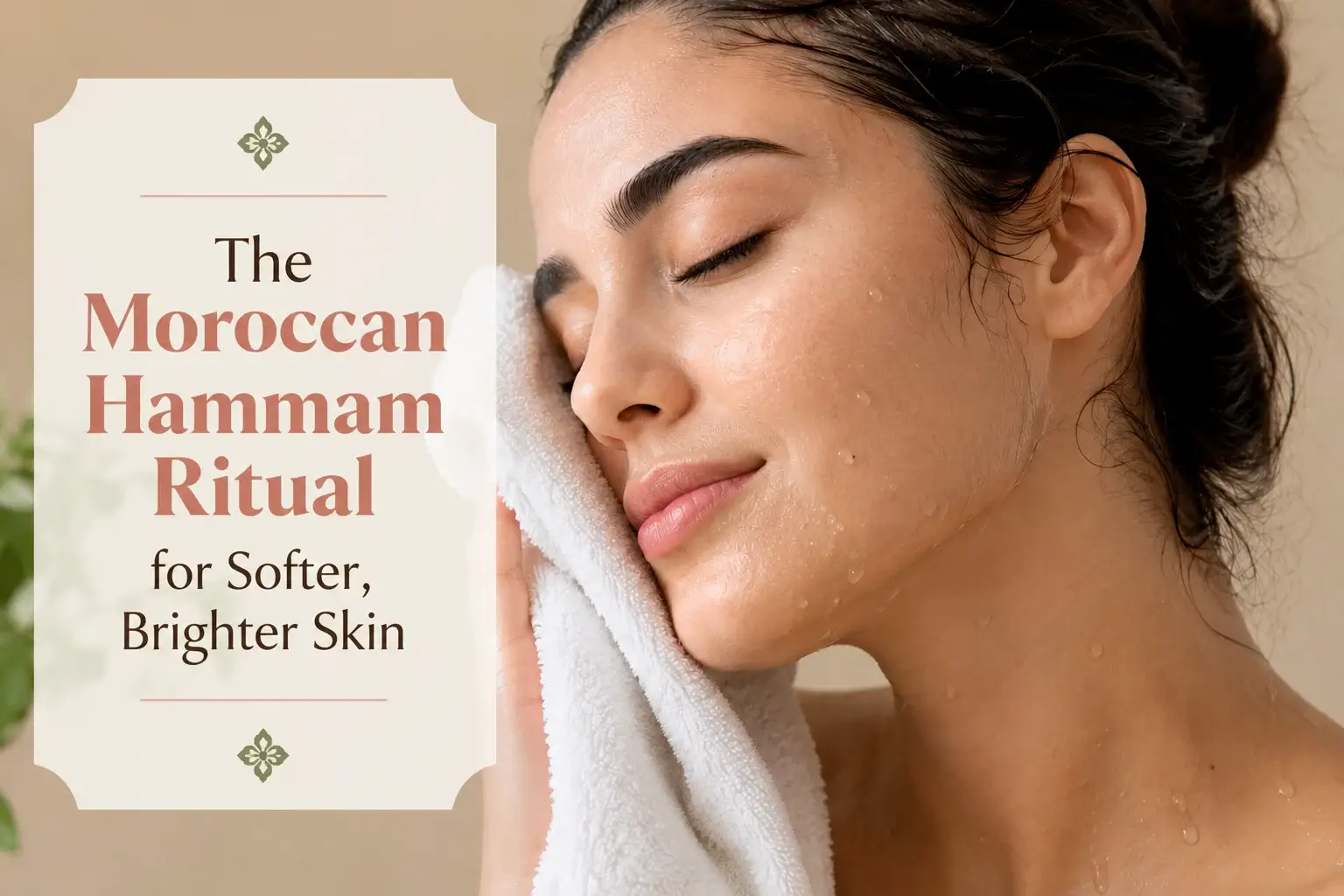
The Moroccan Hammam Ritual for Softer, Brighter Skin
Unlocking Radiance: The Philosophy of the Moroccan Hammam
For centuries, the Moroccan Hammam has stood as a cornerstone of wellness, community, and personal care across North Africa. Far beyond a simple bathing routine, the Hammam is a restorative ritual designed to purify the body, calm the mind, and reveal remarkably soft, luminous skin. Steeped in centuries of communal tradition, this steam-based bathhouse ritual combines warm moisture, manual exfoliation, and pure botanical remedies that work in harmony with the body's natural regenerative processes.
In modern skincare, where complex chemical formulations often overshadow simple, time-tested methods, the Moroccan Hammam offers a refreshing return to nature. By leveraging the synergistic forces of thermal steam, nutrient-rich botanical soap, gentle friction, and deeply hydrating plant oils, this ancient practice systematically sheds dead skin cells, unclogs congested pores, and boosts microcirculation. Whether experienced in a traditional bathhouse in Marrakech or adapted for a peaceful evening at home, the Hammam ritual remains one of the most effective holistic secrets for achieving a smoother texture and a radiant, healthy glow.
The Core Steps of the Hammam Transformation
The success of the Hammam lies in its methodical sequence. Each step builds upon the previous one, preparing the skin layer by layer to release impurities without disrupting its natural delicate barrier.
| Ritual Step | Primary Element | Key Benefit |
|---|---|---|
| 1. Thermal Preparation | Steam & Warm Water | Softens keratin, opens pores, relaxes muscles |
| 2. Soap Application | Moroccan Black Soap (Sabon Beldi) | Emulsifies sebum, softens surface dead cells |
| 3. Deep Exfoliation | Kessa Glove Friction | Lifts dead skin rolls, stimulates microcirculation |
| 4. Purifying Body Mask | Ghassoul Clay & Floral Waters | Draws out deep impurities, restores minerals |
| 5. Nourishing Seal | Pure Argan Oil & Rose Water | Locks in hydration, protects barrier, adds radiance |
1. Thermal Softening (The Power of Steam)
The ritual begins with warmth. In a traditional setting, bathers transition through rooms of increasing temperature. The ambient steam elevates body temperature, causing pores to dilate and softening the outer keratin layer of the skin. This phase relaxes tight muscles, reduces daily stress, and ensures that physical exfoliation can take place later without causing micro-tears or irritation.
2. Cleansing with Sabon Beldi (Moroccan Black Soap)
Once the skin is supple from steam, Moroccan Black Soap—known locally as Sabon Beldi—is applied evenly across the body. Made from saponified olive oil and crushed black olives, this rich, gel-like paste is exceptionally high in Vitamin E and antioxidants. Unlike synthetic cleansers that strip essential moisture, Sabon Beldi breaks down stubborn surface oils, grime, and environmental pollutants while softening keratin bonds so dead skin cells slide off effortless during exfoliation.
3. Mechanical Exfoliation with the Kessa Glove
After letting the black soap sit for 5 to 10 minutes, it is thoroughly rinsed away with warm water. Then comes the defining phase of the ritual: manual exfoliation using a traditional crepe glove called a Kessa. By applying firm, sweeping strokes, dead skin cells visibly roll away into dark grey shreds—a phenomenon affectionately referred to as skin rolls. Understanding the transformative power of the Moroccan exfoliating glove Kessa helps highlight why this tool remains unmatched for physically re-texturizing rough patches on elbows, knees, and arms.
4. Deep Mineral Detoxification with Ghassoul Clay
With fresh skin exposed, a nourishing clay mask is applied to absorb lingering toxins and restore balance. Extracted exclusively from the Atlas Mountains of Morocco, Ghassoul (or Rhassoul) clay is rich in magnesium, silica, potassium, and calcium. When blended with orange blossom water or rosewater, it creates a cooling paste that draws out subterranean impurities while re-mineralizing the skin surface. This soothing step is equally beneficial for body skin and targeting dry, calloused areas—such as preparing a Moroccan Ghassoul clay mask for feet during an extended pampering session.
5. Barrier Restoration and Hydration
The final step of the Hammam is pure restoration. After rinsing away the clay mask with lukewarm water, skin is misted with refreshing botanical hydrosols and sealed with cold-pressed natural oils. This seals in moisture, protects the refreshed epidermal barrier, and leaves behind a soft, non-greasy luster.
Key Ingredients That Power the Hammam Glow
The efficacy of the Hammam relies heavily on raw, unrefined botanical ingredients that have been harvested and refined in North Africa for generations. According to dermatological insights on skin barrier function published by the American Academy of Dermatology, gentle physical exfoliation paired with immediate lipid replenishment is critical for avoiding transepidermal water loss.
Moroccan Black Soap (Sabon Beldi)
Naturally rich in essential fatty acids and Vitamin E, black soap acts as both a gentle surfactant and a skin preparer. It does not foam like commercial shower gels; instead, it creates a silky emulsion that penetrates buildup without stripping natural lipids.
The Kessa Glove
Crafted from a uniquely textured viscose fabric, the Kessa glove catches onto dead skin particles without abrading healthy tissue underneath. Mastering how to properly use a Moroccan Kessa exfoliating glove ensures maximum dead skin removal with zero discomfort or redness.
Pure Argan Oil
Often referred to as liquid gold, Argan oil is harvested from the kernels of the Argania spinosa tree endemic to southwestern Morocco. Rich in omega-6 fatty acids, linoleic acid, and tocopherols, it absorbs deep into the skin to restore flexibility and combat oxidative stress. Learning everything about Argan oil benefits and uses reveals why it forms the definitive final step of North African skincare rituals.
Aker Fassi (Poppy & Pomegranate)
For an added touch of natural color and botanical nourishment, traditional practitioners often blend a touch of Aker Fassi—a vibrant red powder made from dried poppy petals and pomegranate rind—into clay masks or facial oils. Exploring the top benefits of Aker Fassi for skin and lips showcases how its antioxidant content imparts a rosy, healthy flush across the complexion.
How to Recreate the Moroccan Hammam at Home
You do not need to book a trip to North Africa to enjoy the luminous benefits of this ancient practice. With a few simple steps, you can transform your home bathroom into a tranquil spa sanctuary.
Step 1: Set the Atmosphere & Build Steam
Close your bathroom door and windows. Turn your shower to high heat, letting hot water run for 5 to 10 minutes until the room fills with warm steam. Light a candle or play soft music to calm your senses. Step into the warm environment and sit comfortably, allowing the moisture to warm your skin for at least 10 minutes.
Step 2: Apply the Black Soap
Turn off the direct shower spray so your skin remains damp but not soaking wet. Take a generous scoop of Moroccan Black Soap (about 1 to 2 tablespoons) and massage it in circular motions across your entire body, starting from your neck down to your feet. Leave the soap on your skin for 5 to 10 minutes while taking deep breaths to enjoy its earthy, natural aroma.
Step 3: The Thorough Rinse
Rinse away all traces of the soap using warm water. This step is critical: if any soap residue remains, the Kessa glove will slip across the skin rather than catching and lifting dead cells.
Step 4: The Kessa Exfoliation Scrub
Dampen your Kessa glove with warm water and squeeze out excess moisture. Working in vertical, long strokes—moving upward toward your heart to support circulation—apply firm, even pressure across your skin. Focus on areas prone to roughness, such as the elbows, knees, thighs, and heels. Within moments, you will see gray rolls of dead skin lift away effortlessly. Rinse off thoroughly with warm water.
Step 5: Apply the Ghassoul Clay Paste
Mix Ghassoul clay powder with equal parts warm water or rosewater until a smooth paste forms. Smooth the mask over your body and leave it to rest for 10 minutes. The clay will work to absorb toxins and refine pores. Rinse clean with lukewarm water.
Step 6: Nourish and Seal
Pat your body lightly with a soft towel, leaving a fine film of moisture on your skin. Apply several drops of pure Argan oil over your body, massaging gently until fully absorbed. Finish with a light mist of floral rose water to soothe and refresh.
Topical Health & Aesthetic Benefits
Beyond the immediate luxury of a spa-like routine, regular incorporation of the Hammam practice yields lasting biological benefits for skin health:
- Accelerated Cell Turnover: Mechanical exfoliation removes dead surface corneocytes, encouraging fresher, healthier skin cells to surface faster.
- Improved Microcirculation: Studies indexed in the National Center for Biotechnology Information (NCBI) indicate that tactile friction and thermal heat enhance peripheral blood flow, delivering oxygen and vital nutrients directly to dermal tissues.
- Enhanced Absorption of Skincare Products: By removing the barrier of dry, dead skin, moisturizers and botanical serums absorb deeper and work far more effectively.
- Reduction of Keratosis Pilaris & Ingrown Hairs: Regular use of a Kessa glove helps keep hair follicles clear, preventing trapped hairs and smooth bumpiness on the arms and legs.
- Stress Reduction: Mindful, tactile rituals trigger the parasympathetic nervous system, lowering cortisol levels that otherwise contribute to skin inflammation and premature aging.
Common Mistakes to Avoid
"Effective exfoliation is an art of patience and technique. Never force friction onto dry or un-steamed skin, as gentle heat is what unlocks true smoothness."
To ensure your skin remains balanced and radiant, avoid these common missteps:
- Exfoliating Too Frequently: The Hammam exfoliation process is deep and effective. Limit full-body Kessa scrubbing to once every 7 to 14 days to prevent disrupting your moisture barrier.
- Using Soap on the Kessa Glove: Never apply black soap directly onto the Kessa glove while scrubbing. Black soap softened skin earlier; scrubbing requires clean, damp skin free of slick soap residue.
- Applying Excessive Friction: Scrubbing too hard can lead to redness or skin abrasion. Let the weave of the crepe glove do the hard work for you using steady, consistent strokes.
- Skipping Thermal Prep: Attempting to scrub dry or un-softened skin will prove ineffective and may cause micro-tears. Steam and warmth are non-negotiable.
Frequently Asked Questions
How often should I perform a Moroccan Hammam ritual?
For optimal skin health, perform the complete multi-step Hammam ritual once every 1 to 2 weeks. Over-exfoliating can strip natural epidermal oils and lead to barrier damage, so balance is essential.
Can I use the Kessa glove on my face?
The traditional body Kessa glove is generally too coarse for delicate facial skin. Use a softer facial cloth or a specific fine-weave facial Kessa gently without applying heavy friction.
What makes Moroccan Black Soap different from regular soap?
Traditional hard soaps use sodium hydroxide and animal fats or vegetable oils that dry the skin. Sabon Beldi uses potassium hydroxide with olive oil, creating a rich, high-alkaline paste that softens dead tissue rather than stripping moisture.
How do I care for my Kessa glove after use?
Rinse your Kessa glove thoroughly with hot water after every use to wash away dead skin particles. Hang it in a well-ventilated area to air dry completely. Replacing your glove every 3 to 6 months ensures hygiene and structural friction.
Conclusion: Experience True Skin Renewal
The Moroccan Hammam ritual is more than a fleeting beauty trend; it is a centuries-old masterclass in natural skin restoration. By respecting the natural rhythm of thermal preparation, gentle purification, manual exfoliation, and botanical nourishment, this timeless tradition transforms routine bathing into a deeply healing act of self-care. Incorporate these steps into your wellness ritual to unlock velvety softness, even texture, and a luminous, natural glow that radiates from within.