Moroccan Ghassoul Clay Mask for Feet: Benefits & DIY Guide
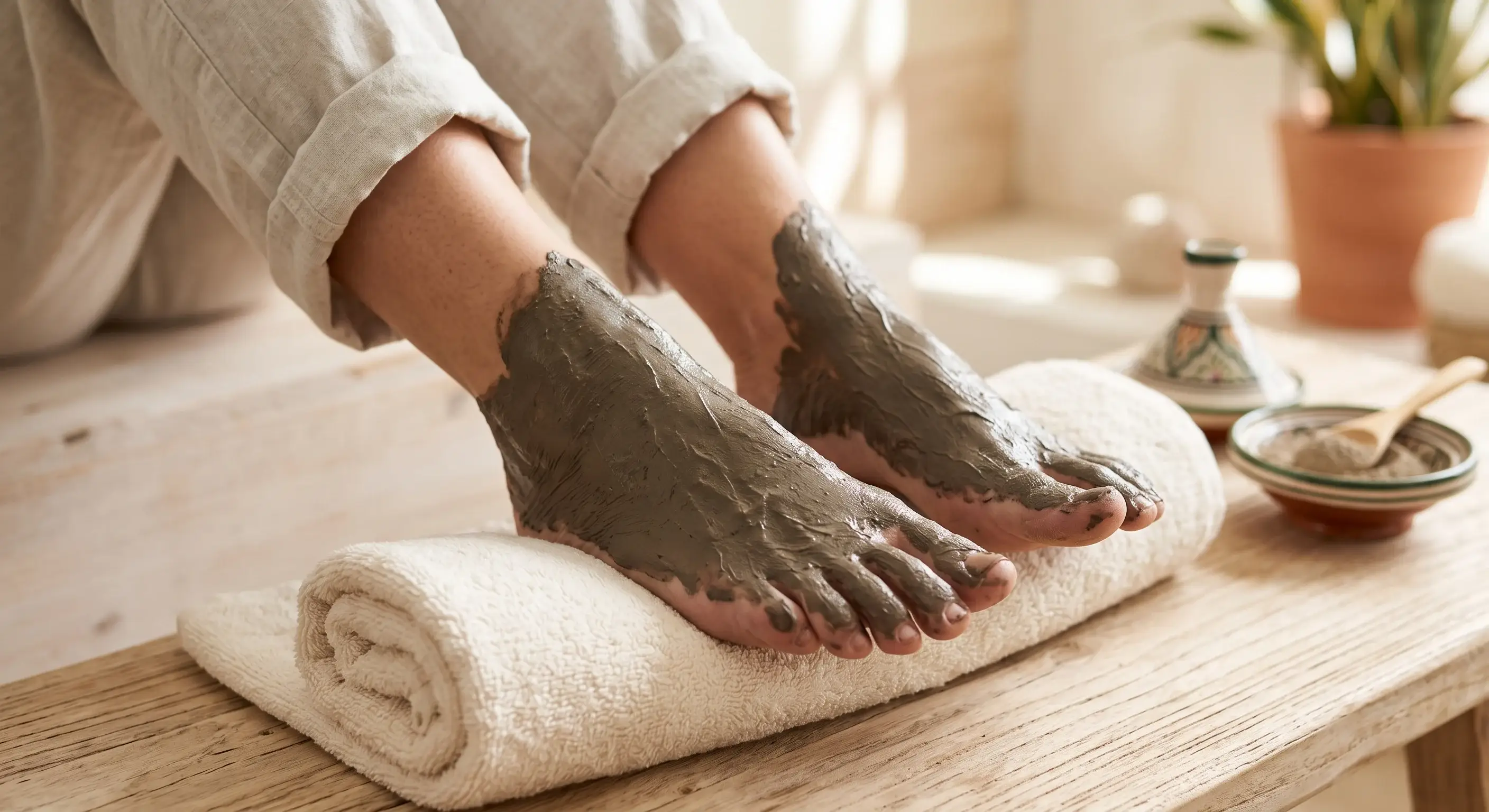
Is Moroccan Ghassoul Clay Good for Your Feet?
When most people think of facial clay masks or hair treatments, Moroccan Ghassoul clay (also known as Rhassoul clay) is usually top of mind. Mined exclusively from the ancient Atlas Mountain deposits in North-Eastern Morocco, this natural stevensite clay has been prized for centuries in North Africa and the Middle East for its remarkable detoxifying, absorbent, and skin-softening properties. But can you use a Moroccan Ghassoul clay mask for your feet?
The short answer is a resounding yes. In fact, applying a Ghassoul clay mask to your feet is one of the most effective, relaxing, and mineral-rich natural treatments you can offer tired, dry, or odor-prone soles. Because the skin on the bottom of our feet is thicker and contains more sweat glands per square inch than almost any other part of the human body, it responds exceptionally well to the deep-cleansing ionic properties of lava clay.
In this guide, we will explore why Ghassoul clay works so remarkably well as a foot treatment, how to prepare a luxury DIY Ghassoul foot mask at home, and how to integrate this ancient practice into a complete foot-care routine inspired by traditional Moroccan Hammam rituals.
Understanding Ghassoul Clay: The Science & Minerals
Ghassoul derives its name from the Arabic word "Ghassala", which translates to "to wash." Unlike kaolin or bentonite clays, which can sometimes leave dry skin feeling overly tight or stripped, Ghassoul possesses a unique mineral profile and structure that cleanses without stripping essential natural moisture balance.
Ghassoul clay carries a negative electrostatic charge, whereas most impurities, heavy metals, toxins, and buildup on the skin carry a positive charge. When mixed with liquid and applied to the skin, the clay acts like a natural magnet, drawing out impurities, sweat residue, and excess sebum while simultaneously transferring beneficial trace minerals back into the epidermis.
Key Minerals Found in Ghassoul Clay
- Silica (Silicon Dioxide): Crucial for skin elasticity and tissue repair, silica helps smooth rough, hardened skin around calluses and heels.
- Magnesium: Known for its soothing properties, magnesium can help relax fatigued muscles in the feet while supporting overall skin barrier repair.
- Potassium & Sodium: Essential electrolytes that assist in maintaining fluid balance and hydration level within the skin layers.
- Calcium: Supports cell renewal and strengthens the protective outer layer of the skin.
Top Benefits of Using a Ghassoul Clay Mask for Feet
| Foot Concern | How Ghassoul Clay Helps | Expected Result |
|---|---|---|
| Persistent Foot Odor | Absorbs excess sweat and purifies bacteria-harboring pores. | Fresher, odor-free feet. |
| Cracked & Rough Heels | Loosens dead surface cells and softens hardened keratin. | Smoother, supple heel skin. |
| Tired, Swollen Feet | Improves local circulation and provides a cooling sensory effect. | Soothed, relaxed foot muscles. |
| Dry, Flaky Skin | Delivers rich trace minerals without stripping natural lipids. | Nourished and hydrated skin barrier. |
1. Deep Purification and Natural Odor Elimination
Feet contain over 250,000 sweat glands. When sweat interacts with bacteria naturally living on the skin, it can create unpleasant odors. Ghassoul clay neutralizes odor naturally by absorbing trapped perspiration, sebum, and microscopic debris within the pores, rather than simply masking scent with synthetic fragrances.
2. Softening Stubborn Calluses and Dry Heels
Dry, cracked heels occur when the skin loses elasticity and hardens under pressure. The rich silica content in Moroccan Ghassoul clay gently breaks down intercellular bonds between dead skin cells, making it much easier to slough away rough patches after the mask is rinsed off.
3. Relieving Fatigue and Muscle Tension
After a long day on your feet, the weight of standing causes blood and fluid pooling. As a Ghassoul mask dries, it creates a subtle contracting feeling that encourages microcirculation. Combined with warm foot soaks, this mineral treatment helps soothe tired arch muscles and sore toes.
The Traditional Moroccan Hammam Foot Care Ritual
In Morocco, foot care is an integral part of the weekly Hammam (steam bath) experience. The process goes beyond quick cosmetic application—it is a slow, methodical ritual designed to detoxify, exfoliate, and deeply nourish the entire body from head to toe.
To duplicate an authentic Moroccan foot care ritual at home, follow these traditional steps:
- Warm Herbal Soak: Feet are first soaked in warm water infused with sea salt, dried rose petals, or eucalyptus leaves for 10–15 minutes to open pores and soften hard skin.
- Exfoliation: Using traditional natural black soap (Savon Noir) and an authentic kessa exfoliating glove, dead skin is thoroughly scrubbed away from the heels, soles, and ankles. Learning how to use a Moroccan kessa exfoliating glove properly ensures you lift accumulated dry layers without irritating healthy skin beneath.
- Clay Mask Application: A thick layer of freshly prepared Ghassoul clay paste is smoothed over the feet, from the ankles down to between the toes.
- Deep Hydration: After the clay is rinsed off, pure botanical oils are massaged into the damp skin to seal in moisture.
"The combination of deep physical exfoliation followed by a mineral clay mask allows skin to absorb moisture up to three times more effectively than applying lotion to unexfoliated feet."
Step-by-Step DIY Moroccan Ghassoul Clay Foot Mask Recipe
Creating your own foot mask at home is simple, highly effective, and completely customizable. Here is a soothing, detoxifying recipe tailored specifically for dry, tired feet.
Ingredients Needed:
- 3 tablespoons: Pure Moroccan Ghassoul Clay (powdered or crushed chips).
- 2–3 tablespoons: Warm distilled water or natural Rose Water (Hydrosol).
- 1 teaspoon: Pure organic oil (such as Argan Oil or Sweet Almond Oil).
- 3 drops: Peppermint or Tea Tree Essential Oil (for natural cooling and antimicrobial benefits).
Preparation Guidelines:
Note: Always use ceramic, glass, or wooden utensils and bowls when preparing clay masks. Metal utensils can react with the clay’s ionic charge and diminish its mineral effectiveness.
- Place the Ghassoul clay powder into a glass or wooden bowl.
- Gradually pour in the warm water or rose water. Allow the clay to absorb the liquid naturally for 1–2 minutes without stirring.
- Mix gentle using a wooden spoon until a smooth, spreadable paste forms (similar to thick yogurt consistency). If the mixture is too dry, add a few drops of water; if too watery, sprinkle a little more clay.
- Stir in your chosen essential oil and nourishing botanical oil.
Application & Usage Instructions:
- Wash your feet thoroughly with warm water and mild soap.
- Apply a generous, even layer of the Ghassoul clay mask over your entire foot—including your soles, heels, tops of feet, and between toes.
- Sit back and relax for 15 to 20 minutes. Allow the clay to dry partially. You want the clay to feel firm, but do not let it dry until it becomes bone-dry and cracked, as this can wick away too much moisture from surface skin.
- Rinse the clay off with warm water, massaging gently in circular motions to take advantage of the natural grit for secondary exfoliation.
- Pat your feet dry with a clean towel and immediately apply a rich moisturizer or organic botanical oil.
Post-Mask Care: Sealing in Moisture with Botanical Oils
Once you have rinsed away the Ghassoul mask, your pores will be deeply cleansed and receptive to hydration. Skipping moisturizer after a clay treatment can leave skin exposed to environmental dryness, especially on high-friction areas like heels.
To lock in deep hydration, massage pure cold-pressed oils into the skin while it is still slightly damp. Understanding what is argan oil and how it benefits the skin highlights why it is considered the gold standard in post-clay body care. Rich in vitamin E, essential fatty acids (omega-6 and omega-9), and antioxidant compounds, argan oil absorbs rapidly into calloused tissue without leaving a slippery, greasy film behind.
In traditional North African self-care routines, foot care might also be paired with natural cosmetic accents such as natural Moroccan remedies like Aker Fassi (a traditional red poppy and pomegranate tint), which is historically applied to the heels or lips for a healthy, natural pink flush.
How Often Should You Apply a Foot Clay Mask?
Frequency depends primarily on your activity level, shoe types, and natural skin dryness:
- For normal maintenance: Once every two weeks is sufficient to maintain smooth soles and prevent odor build-up.
- For dry, callus-prone feet: Once a week, followed by intensive moisturizing under cotton socks overnight.
- For athletic feet or frequent runners: 1 to 2 times a week to soothe muscle soreness and absorb persistent perspiration.
Avoid applying clay masks to feet with open wounds, deep bleeding heel fissures, or active fungal infections without consulting a qualified healthcare professional first.
Frequently Asked Questions (FAQ)
Can Ghassoul clay help eliminate persistent foot odor?
Yes. Ghassoul clay’s naturally absorbent structure draws out sweat residue, dead skin cells, and microbial buildup from pores. When combined with antibacterial essential oils like tea tree or eucalyptus, it acts as an effective natural odor detox treatment.
What is the difference between Ghassoul clay and Bentonite clay for feet?
While both clays pull impurities from the skin, Bentonite clay is typically derived from volcanic ash and can be very drying, making it harder to rinse off. Ghassoul clay comes specifically from Moroccan lake deposits, contains higher levels of silica and magnesium, is less drying, and leaves skin feeling significantly softer after washing off.
Can I put plastic wrap over my feet while the clay mask is on?
Yes. Wrapping your feet lightly in plastic wrap (or using disposable foot booties) over the clay mask prevents it from drying out quickly and creates a light heat-retaining effect that allows minerals to penetrate callouses more deeply.
When should persistent foot issues be seen by a doctor?
While cosmetic natural clays are excellent for general dryness, calluses, and mild sweat control, severe cracking that bleeds, persistent fungal infections (such as athlete's foot), intense itching, or unexplained foot pain should be evaluated by a certified podiatrist or dermatologist. Learn more about skin moisture management and barrier health through resources provided by the American Academy of Dermatology.
Final Thoughts
Using a Moroccan Ghassoul clay mask for your feet is a luxurious, effective, and deeply relaxing home-spa ritual. By leveraging the natural absorbent power and mineral composition of authentic lava clay, you can effectively soften tough calluses, refresh tired muscles, and eliminate unwanted foot odor naturally. Combined with gentle exfoliation and deep moisture from pure botanical oils, your feet will feel completely rejuvenated, smooth, and nourished.