How to Use Argan Oil for Hair Growth: Step-by-Step Guide
Introduction to Argan Oil for Hair Growth
For centuries, pure Moroccan argan oil—often called "liquid gold"—has been treasured for its extraordinary nourishing properties. Cold-pressed from the kernels of the Argania spinosa tree indigenous to southwestern Morocco, this golden elixir is renowned worldwide as a vital component in premium haircare formulations. While many recognize argan oil for its ability to smooth frizz and impart a radiant shine, its role in encouraging healthy hair growth and revitalizing thin, damaged strands is equally compelling.
Hair growth depends heavily on the health of your scalp environment and the strength of the hair follicle itself. Breakage, dryness, inflammation, and oxidative stress can all impede optimal growth. Incorporating pure argan oil into your regular routine provides essential fatty acids, antioxidants, and key vitamins directly to your scalp and strands. This comprehensive guide outlines the biological mechanisms behind argan oil's efficacy and provides a step-by-step application protocol to maximize your hair's length, density, and overall vitality.
How Argan Oil Supports Scalp Health and Hair Length Retention
To understand how argan oil aids hair growth, it is important to distinguish between direct follicle stimulation and length retention. While argan oil creates a nourishing environment on the scalp, its primary strength lies in protecting the hair shaft against physical and environmental damage. By eliminating breakage and split ends, hair is able to reach its maximum biological growth potential without prematurely snapping off.
Key Nutritional Components of Argan Oil
- Vitamin E (Tocopherols): Argan oil is exceptionally rich in alpha-tocopherol, a potent antioxidant that neutralizes free radical damage caused by UV exposure, heat styling, and environmental pollution. Vitamin E helps protect the lipid layer of the hair scalp, reducing oxidative stress.
- Essential Fatty Acids: Composed predominantly of oleic acid (42–48%) and linoleic acid (30–38%), argan oil acts as an effective emollient. Oleic acid enhances scalp permeability, while linoleic acid helps retain essential moisture within the hair shaft.
- Squalene and Sterols: Plant sterols (such as schottenol and spinasterol) possess anti-inflammatory properties that calm scalp irritation, balance sebum production, and reduce flake formation.
- Polyphenols: These natural compounds offer antimicrobial and antioxidant defense, preserving the scalp microenvironment needed for robust follicle activity.
According to dermatological studies published by the National Institutes of Health (NIH), topical antioxidants and lipophilic compounds play a significant role in mitigating scalp inflammation and defending hair lipids against environmental degradation.
Choosing the Right Argan Oil for Hair Growth
Not all products labeled as "argan oil" yield the same therapeutic benefits. Many commercial hair serums combine small amounts of argan oil with heavy silicones, synthetic fragrances, and mineral oils, which can cause product build-up on the scalp and impede growth.
| Criteria | Pure Cosmetic Argan Oil | Diluted / Silicone-Based Serums |
|---|---|---|
| Ingredients | 100% Argania Spinosa Kernel Oil | Dimethicone, Cyclopentasiloxane, Fragrance, <5% Argan Oil |
| Scalp Safe | Yes, absorbs naturally without clogging pores | No, silicones accumulate and clog hair follicles |
| Primary Function | Nourishes scalp, strengthens shaft, aids growth | Provides immediate surface shine and temporary heat slip |
| Appearance & Aroma | Light golden hue; subtle, nutty scent | Clear or tinted; heavily synthetic perfume |
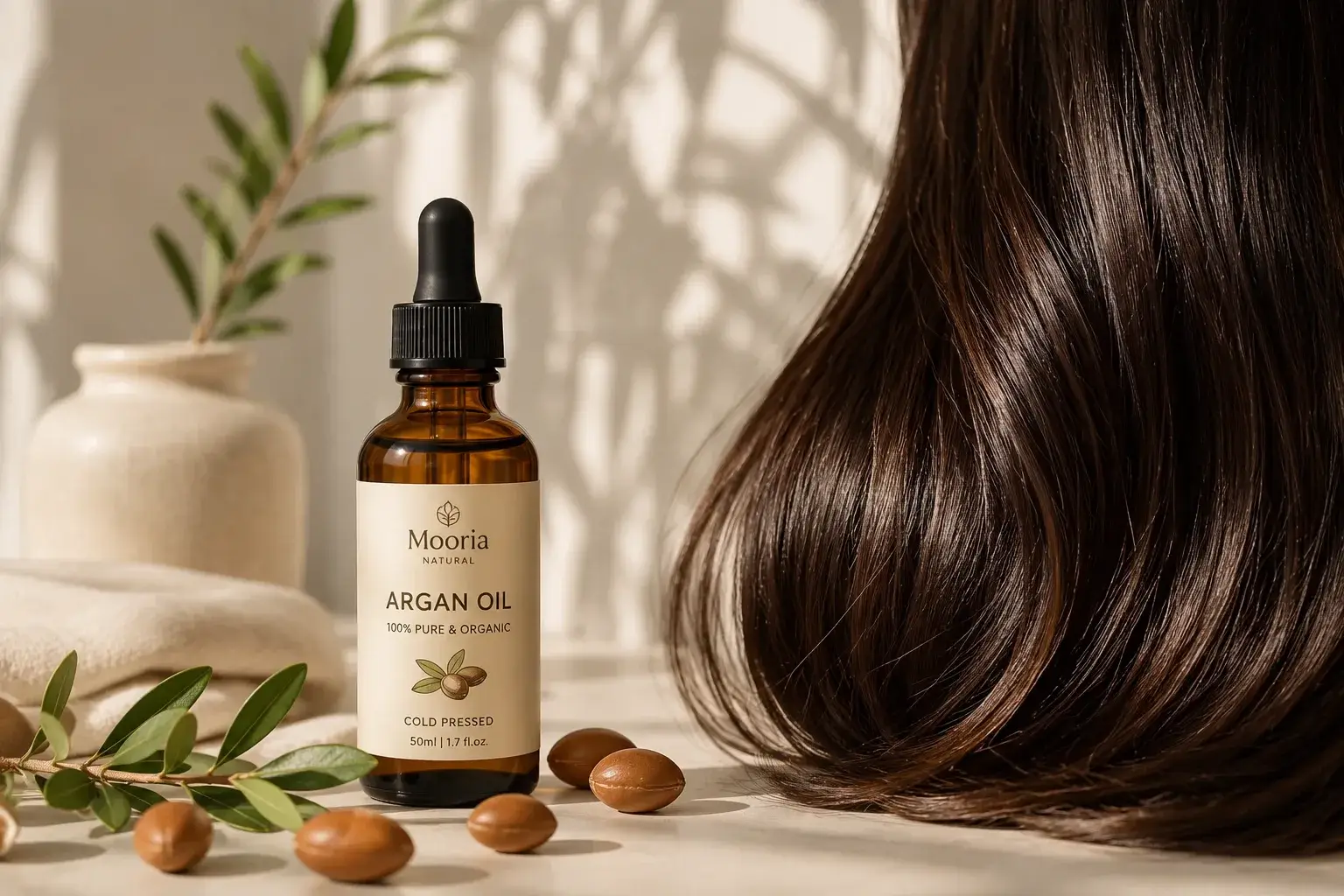
For deep scalp treatments and hair growth routines, always select 100% pure, cold-pressed, organic cosmetic argan oil housed in a dark glass bottle to shield the delicate fatty acids from light degradation.
Step-by-Step Guide: How to Use Argan Oil for Hair Growth
Follow this structured, step-by-step protocol to unlock the full potential of argan oil for scalp care and structural hair protection.
Step 1: The Pre-Shampoo Warm Scalp Massage
A gentle, warm oil massage stimulates microcirculation around the dermal papilla—the base of the hair follicle—delivering oxygen and nutrients directly to the root.
- Dispense: Pour 5 to 10 drops of pure argan oil into the palm of your hand. Warm the oil by rubbing your hands together.
- Section: Part your dry or slightly damp hair into four manageable sections.
- Apply: Place your fingertips directly onto your scalp (avoid using fingernails) and work the warm oil into your roots.
- Massage: Perform firm, circular movements across your entire scalp for 5 to 10 minutes. Focus extra attention on areas experiencing thinning or tension.
- Wait: Allow the oil to penetrate for at least 30 minutes. For deeper conditioning, wrap your head in a warm towel.
Step 2: Deep Conditioning Overnight Scalp & Strand Treatment
For dry, brittle, or chemically processed hair, an overnight treatment offers intense hydration and structural repair.
- Apply a generous amount of argan oil from roots to ends, ensuring every strand is lightly coated.
- Comb through gently with a wide-tooth comb to distribute the oil evenly.
- Cover your hair with a silk bonnet or shower cap to protect your bedding and retain heat.
- In the morning, wash thoroughly with a sulfate-free shampoo. You may need to shampoo twice to ensure all excess oil is rinsed out completely.
Step 3: Post-Wash Leave-In Hydration Lock
Utilizing argan oil as a leave-in conditioner shields wet hair cuticles as they dry, preventing friction and breakage.
- After washing, gently towel-dry your hair until it is damp, not dripping wet.
- Dispense 2 to 3 drops (adjust based on hair length and density) into your palms.
- Focus application strictly on the mid-lengths and ends where dryness and split ends occur.
- Style as usual. The light coating reduces heat-induced damage and locks in core moisture.
Customizing Your Routine According to Hair Type
Adjusting frequency and application method ensures optimal results without causing heaviness or excess oiliness.
- Fine or Low-Porosity Hair: Focus application on the scalp as a pre-shampoo treatment once per week. Limit post-wash leave-in use to 1 drop applied strictly to the ends.
- Thick, Coarse, or High-Porosity Hair: Perform pre-shampoo scalp treatments 2 to 3 times per week. Use 3 to 5 drops post-wash as a daily moisture lock.
- Curly & Textured Hair: Integrate argan oil into your daily moisturizing routine (LOC method: Liquid, Oil, Cream) to lock in moisture, enhance curl definition, and defend against breakage.
Enhancing Hair Growth with Essential Oils
Argan oil serves as an exceptional carrier oil. You can amplify its growth-promoting properties by adding clinically backed essential oils:
- Rosemary Essential Oil: Studies suggest rosemary oil performs comparably to 2% minoxidil in stimulating scalp circulation and encouraging hair regrowth. Add 3 to 5 drops of pure rosemary oil per tablespoon of argan oil.
- Peppermint Essential Oil: Promotes vasodilation (blood vessel expansion) in the scalp, bringing nutrient-rich blood to dormant follicles. Add 2 to 3 drops per tablespoon of argan oil.
- Lavender Essential Oil: Calms scalp inflammation and possesses antimicrobial properties that maintain a clean scalp foundation.
Integrating Argan Oil into a Holistic Moroccan Self-Care Routine
In traditional wellness practices, hair care is rarely isolated from full-body rituals. Nourishing your scalp and hair naturally aligns with authentic Moroccan self-care principles. For example, relaxing during an immersive Moroccan hammam ritual for softer brighter skin creates a therapeutic warm-steam environment that opens scalp pores, allowing argan oil to penetrate deeper.
Complement your routine by taking care of your body from head to toe. Treat your feet with a deeply purifying Moroccan ghassoul clay mask for feet while your oil mask sits. For overall skin exfoliation, learn how to use a Moroccan kessa exfoliating glove to remove dead skin cells and promote body-wide cellular turnover. Unveiling the structural wonders of Moroccan exfoliating glove kessa highlights how simple, natural tools complement traditional botanical care. Finish your beauty ritual by exploring 7 Aker Fassi lip stain benefits you need to know for a vibrant, naturally elegant polish.
Common Mistakes to Avoid
- Applying Too Much Product: Argan oil is highly concentrated. Over-applying can weigh down fine hair and necessitate excessive shampooing, which strips away natural moisture.
- Neglecting Scalp Cleanliness: Never apply argan oil repeatedly over a dirty, built-up scalp. Always wash your hair regularly to keep follicles clear of sebum and dirt accumulation.
- Using High Heat over Wet Oil: Avoid applying flat irons or high-heat styling tools directly to oil-soaked dry hair without heat protection, as extreme heat can scorch the outer cuticle layer.
Frequently Asked Questions
How long does it take to see hair growth results with argan oil?
Consistency is key. While you will notice immediate improvements in shine, softness, and reduced frizz after the first application, noticeable improvements in hair strength, reduced breakage, and visible length retention typically manifest within 8 to 12 weeks of regular weekly use.
Can I leave argan oil in my hair every day?
Yes, but in very small quantities. A drop or two smoothed over the ends of dry or damp hair daily provides protection against moisture loss and friction. Avoid daily application directly to the scalp to prevent oil buildup.
Does argan oil work for all hair textures?
Yes. Pure argan oil benefits straight, wavy, curly, and coily hair. The key is adjusting the quantity used: lighter applications for fine or low-porosity strands, and richer applications for thick, high-porosity, or textured hair.
Will argan oil cause oily scalp or clog pores?
Pure, 100% cold-pressed argan oil has a comedogenic rating of 0, meaning it does not clog pores. It absorbs readily into the skin and helps regulate natural sebum production when used correctly.
Conclusion
Incorporating pure Moroccan argan oil into your regular hair care routine offers a time-tested, science-backed strategy for boosting hair strength, nourishing the scalp, and retaining length. By mastering the proper scalp massage techniques, balancing your application frequency, and choosing high-quality, cold-pressed oil, you establish the foundation for longer, thicker, and healthier hair naturally.