How to Treat Keratosis Pilaris Naturally Using Moroccan Exfoliation Rituals
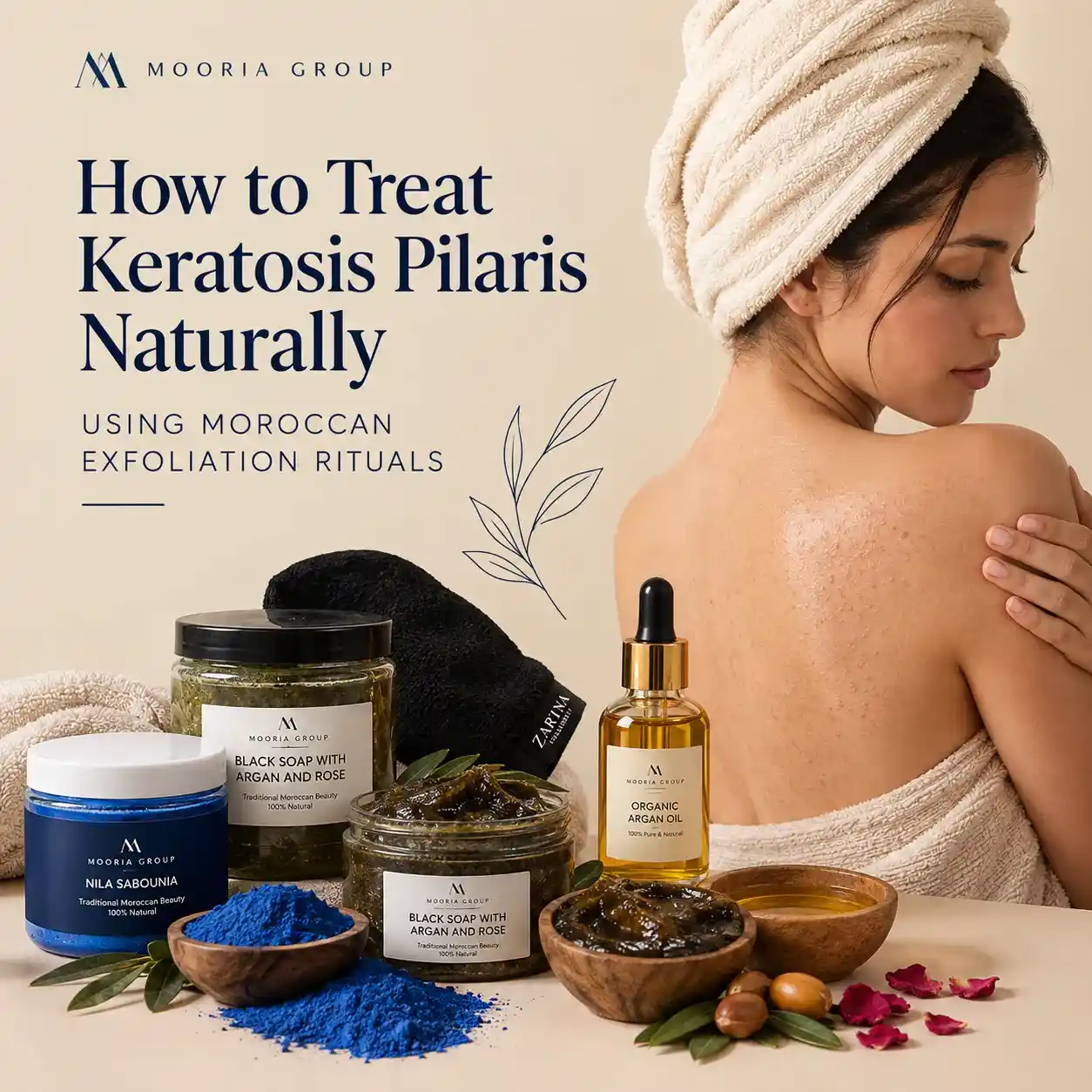
If you have ever noticed tiny, rough, painless bumps on the backs of your upper arms, thighs, or buttocks, you are likely familiar with Keratosis Pilaris (KP). Often referred to colloquially as "strawberry skin" or "chicken skin," this harmless yet frustrating cosmetic condition affects up to 40% of adults globally. While synthetic chemical exfoliants like high-percentage lactic acid or salicylic acid are commonly prescribed, they can often lead to dryness, irritation, or moisture barrier compromise if used improperly.
For centuries, traditional Moroccan skincare—specifically the holistic bath house ritual known as the Hammam—has perfected the art of physical skin renewal through deep, non-abrasive softening and controlled exfoliation. By combining plant-based softening soaps, crepe-textured weaving, nutrient-dense clays, and restorative botanical oils, Moroccan exfoliation rituals offer a gentle, highly effective natural strategy for managing Keratosis Pilaris.
In this comprehensive guide, we will explore the underlying biology of Keratosis Pilaris, examine why traditional Moroccan body-care techniques work so well to smooth rough skin texture, and provide a complete step-by-step home ritual to help clarify your skin naturally.
Understanding Keratosis Pilaris: Causes and Characteristics
Keratosis Pilaris is a benign genetic skin condition characterized by an overproduction of keratin—a protective structural protein found in skin, hair, and nails. In individuals prone to KP, excess keratin accumulates within the hair follicles, forming a hard plug that prevents the shaft from emerging cleanly. This blockage results in raised, rough papules that resemble goosebumps.
Key traits of Keratosis Pilaris include:
- Rough, Sandpaper-Like Texture: Bumps feel hard, dry, and slightly spiky to the touch.
- Follicular Redness or Hyperpigmentation: Depending on your skin tone, the bumps may appear pink, red, brown, or dark purple.
- Seasonal Fluctuation: KP frequently worsens during cold, dry winter months when environmental humidity drops, and improves during humid summer seasons.
- Common Locations: Most frequently present on the triceps, outer thighs, buttocks, and occasionally the cheeks.
Because KP is driven by genetics and follicular keratin buildup, there is no single chemical cure. However, consistent maintenance through softening keratin plugs and gently lifting dead surface cells can keep the skin completely smooth and clear.
Why Moroccan Hammam Rituals Excel at Managing KP
Modern exfoliation often relies heavily on aggressive chemical peels or harsh plastic microbead scrubs that micro-tear the skin barrier. Moroccan Hammam rituals take an entirely different, two-phase approach: enzymatic/lipid softening followed by mechanical sloughing.
| Exfoliation Method | Mechanism of Action | Impact on Keratosis Pilaris |
|---|---|---|
| Standard Physical Scrubs | Abrasive particles (walnut shells, sugar) rub against skin surface. | Can tear inflamed hair follicles, leading to increased redness and post-inflammatory hyperpigmentation. |
| Chemical Acid Peels | Low pH acids dissolve inter-cellular glue binding dead skin cells. | Effective, but can strip lipid barrier, causing stinging, dryness, and rebound flaking. |
| Moroccan Exfoliation Ritual | Humid steam + saponified olive oil softeners prep skin before Kessa glove lifts plugs cleanly. | Softens hard keratin plugs naturally without friction trauma, followed by intense barrier re-hydration. |
This dual action works directly against the core mechanisms of Keratosis Pilaris without disrupting the skin's natural acid mantle.
The Core Pillars of Moroccan Exfoliation for KP
1. Savon Noir (Moroccan Black Soap)
Traditional Moroccan Black Soap is a high-viscosity paste made from saponified olive oil and crushed black olives. Rich in Vitamin E and essential fatty acids, Savon Noir is not used to scrub the skin directly. Instead, it acts as a deeply hydrating precursor that permeates the stratum corneum. The alkaline nature of the soap works to break down hyper-keratony and loosen stubborn keratin plugs trapped inside hair follicles.
2. The Kessa Glove
The Kessa is a traditional coarse-woven fabric mitten crafted with crepe-like synthetic or viscose fibers. Unlike round loofahs or abrasive brushes, the unique cross-weave of a genuine Kessa catches loosened dead skin cells and rolled keratin debris without scratching live epidermal layers. When used on skin prepped with warm steam and Savon Noir, the Kessa rolls away dead skin visible to the eye.
3. Mineral-Rich Rhassoul Clay
Mined exclusively from ancient lake deposits in the Moroccan Atlas Mountains, Rhassoul (or Ghassoul) clay is renowned for its high concentrations of silica, magnesium, calcium, and potassium. When applied as a body mask after exfoliation, it draws out impurities and balances surface lipids while calming localized redness surrounding hair follicles.
To understand how mineral clays compare for different skin needs, explore our detailed analysis on Bentonite Clay vs Rhassoul Clay to choose the best option for your routine.
4. Pure Botanical Oils (Argan & Prickly Pear)
Exfoliation must always be paired with immediate occlusion and hydration. Moroccan Argan oil delivers a powerful punch of oleic and linoleic fatty acids along with natural squalene, ensuring that newly revealed skin remains supple. For severe skin texture or stubborn hyperpigmentation left behind by picking at KP bumps, high-potency oils are essential. Learn more about selecting the right oil in our breakdown of Prickly Pear Seed Oil vs Argan Oil.
Step-by-Step Guide: The At-Home Moroccan KP Treatment
You do not need a public steam house to practice this smoothing technique. You can replicate a full Moroccan Hammam experience in your home shower once or twice a week using the following method.
Step 1: The Steam and Softening Phase
Close your bathroom door and turn your shower to a comfortably warm temperature to create ambient steam. Allow the warm water to run over your body for 8 to 10 minutes. The moisture and steam soften the top layers of keratin blocking your pores.
Turn off the water stream. Scoop a tablespoon of Savon Noir into your palms and massage it generously over damp skin, focusing specifically on areas affected by Keratosis Pilaris (such as the upper arms, legs, or hips). Leave the soap on your skin for 5 to 7 minutes without rinsing. Do not scrub yet.
Step 2: The Rinse
Rinse away all traces of the Savon Noir thoroughly using warm water. The skin should feel smooth and slightly tacky, but free of soap residue. Soap remnants can prevent the Kessa glove from gripping dead skin properly.
Step 3: The Kessa Exfoliation
Dampen your Kessa glove with warm water and squeeze out any excess. Step away from the direct water stream. Working on damp skin, glide the glove in firm, long, vertical strokes up and down the affected areas.
Within a few passes, you will notice grayish rolls of dead skin and loosened keratin debris balling up on the surface. Avoid using frantic circular motions or pressing excessively hard; let the texture of the fabric do the work. Rinse the glove and your skin frequently.
Step 4: Soothe with a Rhassoul Clay Mask
After rinsing off the exfoliated skin rolls, calm the freshly exposed tissue with a hydrating clay paste. Mix pure Rhassoul clay powder with warm rose water or warm distilled water until a smooth batter forms. Apply this mixture directly to your arms and legs.
Allow the clay to rest on the skin for 5 to 8 minutes—do not let it dry completely to the point of cracking. Rinse clean with lukewarm water. For a guide on preparing natural clay mixtures, check out our tutorial on How to Make a DIY Rhassoul Clay Mask.
Step 5: Barrier Repair and Occlusion
Gently pat your skin dry with a soft towel, leaving a tiny amount of dampness on the surface. Within three minutes of exiting the shower, massage 5–10 drops of 100% organic Argan oil into the exfoliated zones. The lipid barrier absorbs the nutrient-dense oil instantly, locking in hydration and soothing any residual warmth.
Targeting Hyperpigmentation & Rough Skin Patches
Keratosis Pilaris frequently coexists with rough, darker skin on specific joint areas, such as elbows and knees, due to friction and moisture loss. Managing KP across the body often requires an overarching body-smoothing strategy.
If you are addressing uneven skin tone along with Keratosis Pilaris on your arms or legs, incorporate targeted natural brightening methods. Discover how traditional botanical applications can work alongside body exfoliation in our guide on How to Lighten Dark Knees and Elbows Naturally.
Furthermore, Moroccan beauty culture often merges functional body therapies with vibrant natural tints and botanical accents. To explore how traditional plant remedies enrich holistic self-care, learn how to craft natural washes and blushes in our guide on DIY Aker Fassi Terracotta Applications.
Common Mistakes to Avoid When Treating KP Naturally
- Exfoliating Too Frequently: Over-exfoliating can severely compromise your skin barrier, causing inflammation that exacerbates keratin production. Limit deep Kessa exfoliation to 1–2 times per week.
- Using Water That Is Too Hot: While steam is helpful, scalding hot water strips natural sebum, triggering compensatory dryness that hardens keratin plugs. Use warm water instead.
- Picking or Squeezing Bumps: Attempting to squeeze KP bumps can rupture follicle walls beneath the surface, leading to bacterial infection, scarring, and permanent hyperpigmentation.
- Skipping Moisture: Physical exfoliation opens up hair follicles and removes surface buildup. Failing to immediately follow up with a non-comedogenic oil or cream leaves skin vulnerable to severe dehydration.
Frequently Asked Questions
How long does it take to see results on KP with Moroccan exfoliation?
Texture improvements are often noticeable immediately after a single Hammam session, with skin feeling softer to the touch. However, significant reductions in redness and keratin plug frequency typically require 3 to 4 weeks of regular, weekly consistency.
Is the Kessa glove safe for sensitive skin with KP?
Yes, provided you control the pressure. Because the softening phase (Savon Noir) prepares the skin beforehand, you do not need to push hard. Always keep the glove damp and move in soft, uniform vertical strokes.
Will Moroccan exfoliation completely cure my Keratosis Pilaris?
Keratosis Pilaris is a genetic trait rather than a curable infection. While exfoliation rituals manage and eliminate visible bumps effectively, maintaining smooth skin requires continuous maintenance. Stopping all exfoliation will eventually cause keratin to build up again over time.
Can I use Argan oil if I am prone to clogged pores?
Pure Argan oil has a comedogenic rating of 0, meaning it is exceptionally unlikely to clog pores. Its lipid profile closely mimics human sebum, helping to balance natural oil production and soften dry keratin plugs without inducing acne breakouts.
Conclusion: Long-Term Management for Smooth Skin
Treating Keratosis Pilaris naturally does not require aggressive scrubbing or harsh chemical peels. By adopting the time-tested techniques of the Moroccan Hammam—softening keratin with plant-based soaps, clearing clogged pores with a traditional Kessa glove, soothing skin with mineral clays, and sealing in moisture with natural oils—you can transform rough skin into a soft, smooth canvas naturally.
Consistency, gentleness, and deep post-exfoliation hydration remain the golden rules for managing KP long-term. Embrace this rich beauty ritual once a week to maintain clear, healthy, and radiant skin.