Prickly Pear Seed Oil vs Argan Oil: Anti-Aging Guide
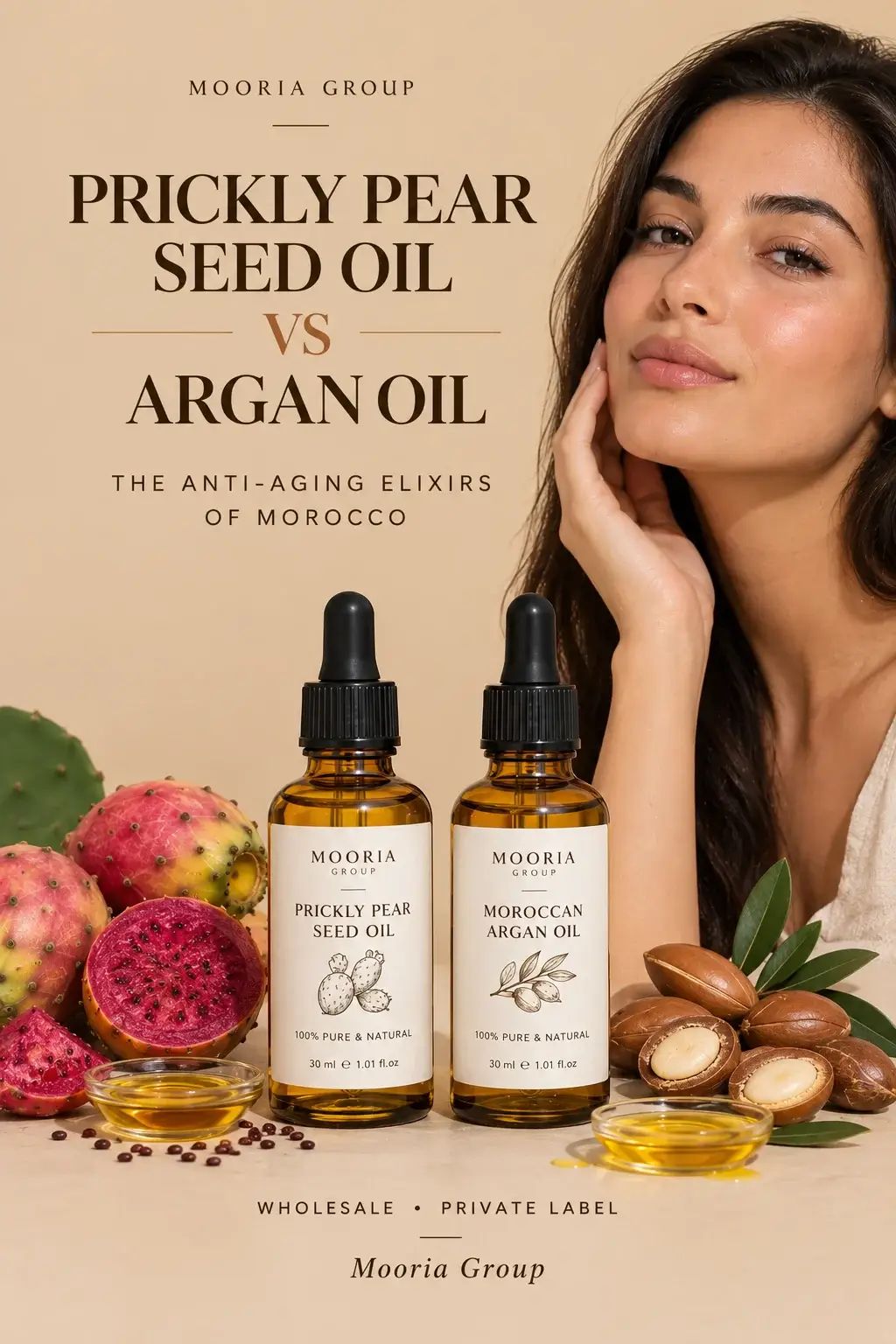
When it comes to natural anti-aging skincare, Moroccan botanical oils have long held a legendary status. Among the most prized are Argan Oil—often hailed as Moroccan liquid gold—and Prickly Pear Seed Oil, an ultra-luxurious extract renowned for its intense concentration of nutrients. Both oils promise to restore youthful radiance, smooth fine lines, and deeply nourish mature or tired skin. But when stacked side by side, which one deserves the title of the ultimate anti-aging elixir?
While both originate from resilient desert plants native to or deeply rooted in Morocco, their biochemical profiles, textures, and targeted skincare benefits differ significantly. In this comprehensive comparison guide, we will break down the fatty acid composition, antioxidant power, absorption rates, and specific skin benefits of Prickly Pear Seed Oil and Argan Oil so you can decide which best suits your anti-aging routine.
Understanding Argan Oil: The Golden Standard of Skin Hydration
Extracted from the kernels of the Argania spinosa tree, native exclusively to Southwestern Morocco, cold-pressed argan oil has been utilized for centuries by Berber women for both culinary and cosmetic purposes. It remains one of the most versatile natural oils in global beauty.
Key Biochemical Components of Argan Oil
- Oleic Acid (Omega-9): Makes up roughly 42–48% of the oil. Oleic acid is a deeply moisturizing fatty acid that penetrates deeply to replenish lost lipids in dry, mature skin.
- Linoleic Acid (Omega-6): Comprises around 30–38%. Linoleic acid reinforces the skin barrier, prevents transepidermal water loss (TEWL), and keeps pore-clogging sebum balanced.
- Vitamin E (Tocopherols): Contains approximately 600–700 mg/kg of Vitamin E, offering potent protection against environmental stressors and free-radical damage.
- Plant Sterols & Squalene: Natural compounds that calm inflammation, protect cellular membranes, and enhance skin softness.
Argan oil excels at restoring lipid balance to depleted skin barriers, making it an essential staple for preventing premature sagging, reducing scaliness, and protecting against urban pollution.
Understanding Prickly Pear Seed Oil: The Luxury Nutrient Powerhouse
Prickly Pear Seed Oil (derived from the seeds of the Opuntia ficus-indica cactus) is one of the most expensive and concentrated botanical oils in the world. It takes nearly one ton of prickly pear fruit—yielding roughly 1 million tiny seeds—to extract just one liter of pure cold-pressed oil.
Key Biochemical Components of Prickly Pear Seed Oil
- Linoleic Acid (Omega-6): Dominates the oil at roughly 60–70%. This extraordinarily high concentration makes the oil incredibly lightweight, non-comedogenic, and deeply restorative.
- Vitamin E (Tocopherols): Contains up to 1,000–1,200 mg/kg of Vitamin E—almost double the amount found in Argan oil. This confers unmatched radical-scavenging capabilities.
- Vitamin K1: A crucial micronutrient that helps reduce spider veins, brighten dark under-eye circles, and diminish hyperpigmentation.
- Phytosterols: Rich in betacyanins and antioxidants that promote collagen production, soothe redness, and improve skin elasticity.
Head-to-Head Comparison: Key Differences for Anti-Aging
To choose between these two botanical powerhouses, it helps to analyze how they perform across specific skin performance markers.
1. Texture and Absorption Rate
Argan oil is medium-weight. It leaves a velvety, rich protective layer on the skin, which feels deeply comforting for chronically dry or flaky skin types. In contrast, Prickly Pear Seed Oil is considered a "dry oil." Despite its extreme nutrient density, its ultra-high linoleic acid content allows it to sink into the dermis almost instantly without leaving a greasy residue.
2. Fine Lines vs. Deep Wrinkles
Prickly Pear Seed Oil shines when targeting delicate areas with fine lines—such as crow's feet, laugh lines, and neck creases—thanks to its rapid penetration and high phytosterol content. Argan Oil, with its higher oleic acid profile, provides the substantial moisture cushion required to soften deeper wrinkles and maintain overall skin elasticity.
3. Hyperpigmentation and Dark Circles
When dark spots, sun damage, or persistent under-eye dark circles are the primary concern, Prickly Pear Seed Oil takes a clear lead. Its natural Vitamin K content helps break down spider veins and lighten dark undertones, while its antioxidants fade post-inflammatory hyperpigmentation. If you are exploring natural brightening protocols, pairing your oil routine with gentle exfoliation—such as learning how to lighten dark knees and elbows naturally—demonstrates how targeted botanical care works across different skin concerns.
4. Skin Type Compatibility and Comedogenicity
Argan Oil has a comedogenic rating of 0, making it generally safe for most skin types, though its richness can feel heavy on very oily skin. Prickly Pear Seed Oil also scores a 0 on the comedogenic scale but feels considerably lighter, making it ideal for acne-prone, combination, or mature skin that dislikes heavy occlusives.
Comparison Summary Table
| Feature / Attribute | Argan Oil | Prickly Pear Seed Oil |
|---|---|---|
| Botanical Name | Argania spinosa | Opuntia ficus-indica |
| Vitamin E Content | ~600–700 mg/kg | ~1,000–1,200 mg/kg |
| Primary Fatty Acid | Oleic Acid (Omega-9) & Linoleic (Omega-6) | Linoleic Acid (Omega-6, ~60-70%) |
| Texture / Finish | Medium weight, rich, velvety | Lightweight, fast-absorbing "dry" oil |
| Best For | Dryness, elasticity loss, barrier repair | Fine lines, dark circles, hyperpigmentation |
| Comedogenic Rating | 0 (Non-comedogenic) | 0 (Non-comedogenic) |
How to Choose: Which Oil Suits Your Skin Intentions?
Choose Argan Oil If:
- Your skin suffers from chronic dryness, flakiness, or a compromised moisture barrier.
- You want an all-in-one daily moisturizer for face, hair, and body.
- You prefer a luxurious, slow-cushioning facial massage oil.
- You are looking for budget-friendly premium anti-aging care.
Choose Prickly Pear Seed Oil If:
- You want targeted treatment for under-eye bags, dark circles, and fine expression lines.
- You have combination, oily, or sensitive mature skin that resists heavy oils.
- You are focusing on evening out skin tone, hyperpigmentation, and sun spots.
- You desire the highest possible concentration of Vitamin E and antioxidants in a single drop.
Integrating Moroccan Botanical Oils into Your Ritual
For optimal results, many skincare specialists recommend using both oils in synergy rather than choosing just one:
- Prep the Skin: Cleanse gently and spray a hydrating botanical distillate like orange blossom water to dampen the skin, enhancing oil absorption.
- Targeted Treatment: Apply 1–2 drops of Prickly Pear Seed Oil to delicacy zones—under the eyes, around the mouth, and onto hyperpigmented areas.
- Overall Moisture & Barrier Protection: Press 2–3 drops of Argan Oil over the remainder of the face, neck, and décolletage to seal in hydration.
Complementing your oil regimen with detoxifying treatments like a weekly clay mask can further boost product penetration. You can learn more by checking our guide on bentonite clay vs rhassoul clay or trying a custom recipe on how to make a DIY rhassoul clay face mask to clear impurities before applying your anti-aging oils.
When purchasing either oil, purity and ethical sourcing are paramount. Pure cold-pressed oils maintain their active polyphenols best. To understand how to evaluate authentic extracts, read our guide on how to source authentic Moroccan cosmetic ingredients.
Frequently Asked Questions
Can I use Prickly Pear Seed Oil and Argan Oil together?
Yes. Combining them creates a multi-layered anti-aging strategy. Use Prickly Pear Seed Oil as a light serum-like layer for fine lines and under-eye zones, followed by Argan Oil to lock in overall moisture.
Why is Prickly Pear Seed Oil so much more expensive than Argan Oil?
The yield of Prickly Pear Seed Oil is exceptionally low. Extracting 1 liter requires roughly half a ton to a full ton of fruit seeds, which must be painstakingly separated from the pulp and cold-pressed without heat. The intensive labor and high raw material demand account for the price difference.
Will these oils clog my pores or cause breakouts?
Both Argan Oil and Prickly Pear Seed Oil have a comedogenic rating of 0, meaning they do not clog pores. Prickly Pear Seed Oil in particular is high in linoleic acid, which is often deficient in acne-prone skin, making it especially balanced for oily types.
Can I apply Prickly Pear Seed Oil around the eye area?
Absolutely. Its lightweight texture and naturally high Vitamin K content make it one of the safest and most effective botanical treatments for brightening under-eye dark circles and softening delicate crow's feet.
Final Verdict: Which Is the Ultimate Anti-Aging Elixir?
There is no single winner—only the best oil for your individual skin profile. If your main goal is deep moisture, barrier repair, and overall elasticity, Argan Oil remains an undefeated foundational elixir. However, if your focus is intensive anti-wrinkle precision, lightening dark under-eye circles, and high-octane antioxidant power, Prickly Pear Seed Oil takes the crown as the ultimate targeted anti-aging treatment.