How to Source Authentic Moroccan Cosmetic Ingredients
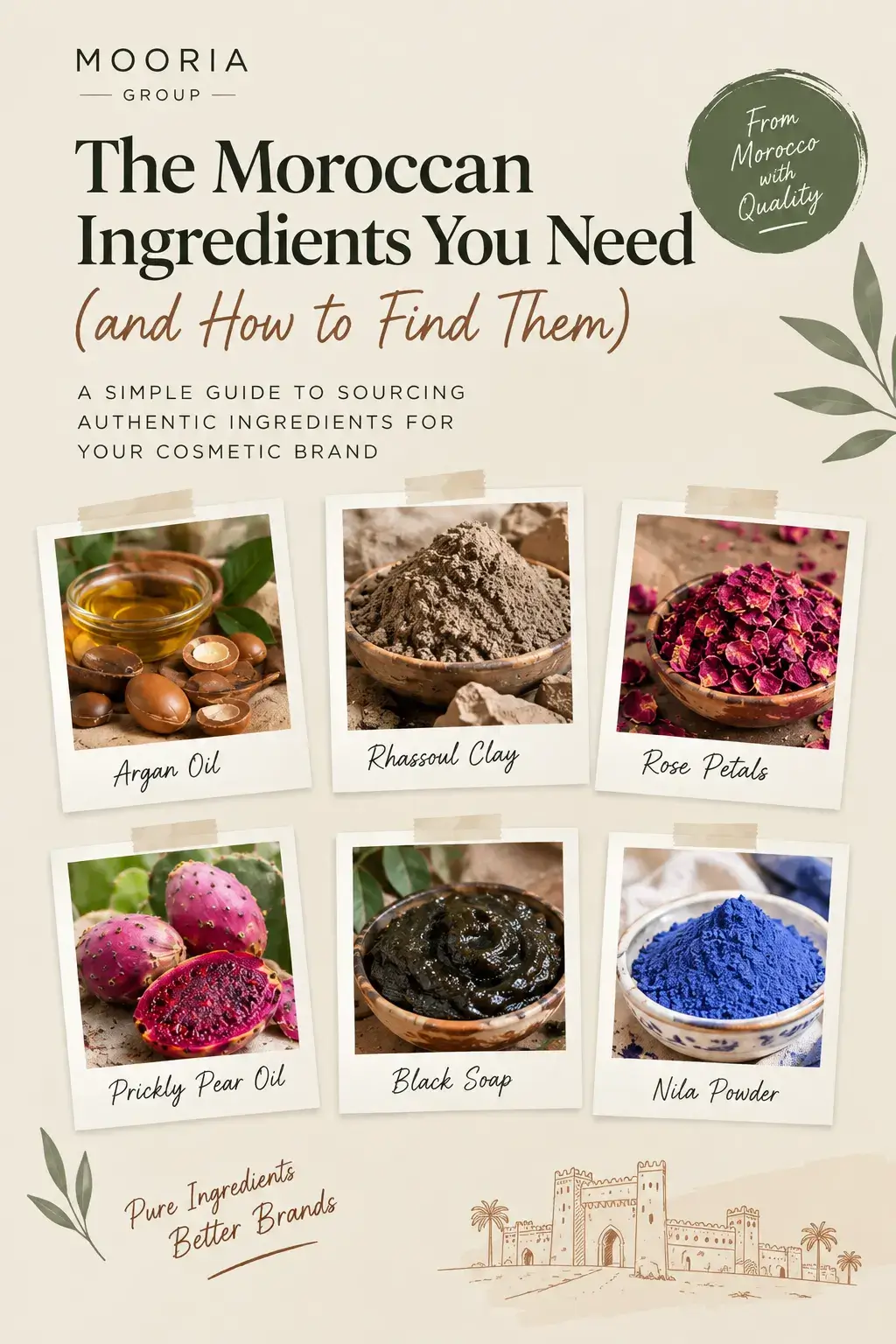
The global clean beauty market continues to experience rapid expansion, driven by discerning consumers who demand pure, effective, and ethically harvested plant-based ingredients. Among the most sought-after botanicals in modern formulations are traditional Moroccan natural products—ranging from cold-pressed argan oil and precious prickly pear seed oil to mineral-rich rhassoul clay and organic steam-distilled rose water. However, for indie beauty founders, product developers, and procurement managers, navigating the global cosmetic supply chain to source genuinely pure, high-grade ingredients presents significant challenges.
Adulteration, dilution, inconsistent batch quality, and missing regulatory documentation frequently plague the global beauty raw materials market. Securing a direct, certified supply line from Morocco is essential to protecting your brand's reputation, ensuring product efficacy, and maintaining strict compliance with international cosmetic regulations. This guide outlines everything you need to know about how to source authentic Moroccan cosmetic ingredients for your brand, evaluate supply partners, and build a resilient product line.
Why Moroccan Cosmetic Ingredients are in High Global Demand
Moroccan cosmetics are revered worldwide for their unique biochemical profiles, historical lineage, and extraordinary performance in skin and hair care formulas. The country’s distinct microclimates—spanning the Atlantic coast, the Atlas Mountains, and the Saharan desert—produce botanical species rich in essential fatty acids, antioxidants, and trace minerals.
- Cold-Pressed Argan Oil (Argania Spinosa): Famous for its high concentration of oleic and linoleic acids, vitamin E, and squalene, making it a staple for hair restoration and anti-aging skin serums.
- Prickly Pear Seed Oil (Opuntia Ficus-Indica): One of the most luxurious botanical oils in the world, renowned for its exceptionally high content of Vitamin E (tocopherols) and Vitamin K, which deliver potent skin-brightening and barrier-repair benefits.
- Rhassoul (Ghassoul) Clay: A naturally occurring magnesium-silicate clay mined exclusively in the Atlas Mountains, prized for its superior cation-exchange capacity that purifies skin and hair without stripping natural lipid barriers. Formulators often incorporate this unique clay when crafting custom treatments, including a rhassoul clay hair mask for curly hair and clarifying facial cleansers.
- Moroccan Rose Water (Rosa Damascena Hydrosol): Hydro-distilled from fresh blooms in the Kelaat M'Gouna valley, offering balancing, anti-inflammatory, and hydrating properties. Its therapeutic reputation makes it a favorite for brands building anti-aging or calming skincare lines, with many formulators leaning on the 10 surprising benefits of rose water for your face to market its skin-quenching qualities.
Key Challenges in Sourcing Pure Moroccan Raw Materials
Because premium Moroccan oils command high market prices, the risk of purchasing compromised raw materials is substantial. Common supply chain issues include:
- Adulteration & Blending: Pure argan oil or prickly pear seed oil is frequently diluted with cheaper carrier oils (such as mineral oil, sunflower oil, or deodorized soybean oil) by middle-tier traders looking to lower costs.
- Thermal Degradation: Machine pressing at high temperatures or improper extraction speeds accelerates oxidation, degrading delicate tocopherols and essential fatty acids, resulting in short shelf lives and rancidity.
- Chemical Solvent Extraction: High-volume commercial operators sometimes use chemical solvents like hexane to extract maximum oil yields, stripping away the oil's pure, cold-pressed status and leaving hazardous residual solvents.
- Lack of Traceability: Purchasing through multi-tiered brokers often obscures the origin of the raw material, making it difficult to verify whether the botanicals were ethically harvested or processed in sanitary conditions.
How to Verify the Authenticity and Quality of Moroccan Ingredients
To safeguard your formulations and ensure consumer satisfaction, your brand must institute rigorous quality assurance protocols when selecting supply partners. Always require the following laboratory and technical documentations before placing bulk orders:
1. Technical Documentation Checklist
| Document Name | Purpose & Value for Beauty Brands |
|---|---|
| Certificate of Analysis (CoA) | Provides exact batch testing details including free fatty acid (FFA) percentage, peroxide values, saponification values, and organoleptic properties. |
| Gas Chromatography-Mass Spectrometry (GC-MS) | Detailed chemical fingerprint verifying fatty acid profiles and proving zero presence of secondary diluent oils or residual solvents. |
| Safety Data Sheet (SDS / MSDS) | Mandatory global standard outlining handling, toxicology, hazard identification, and transport safety metrics. |
| Technical Data Sheet (TDS) | Outlines origin, physical properties, solubility, stability guidelines, and recommended usage rates for cosmetic formulators. |
2. Organoleptic Evaluation
Recognizing the natural characteristics of genuine Moroccan raw materials is critical during preliminary sample evaluation:
- Pure Argan Oil: Features a light golden color with a subtle, natural nutty scent. It absorbs quickly into the skin without leaving a sticky or overly greasy film. Highly deodorized argan oil may have lost key nutrients due to thermal processing.
- Pure Prickly Pear Seed Oil: Displays a light green to golden yellow tint with a distinct natural, slightly herbaceous/seed-like aroma. It is extremely light, non-comedogenic, and absorbs rapidly.
- Authentic Rose Hydrosol: Should be a clear liquid carrying a crisp, natural floral scent—never artificial or heavy. High-quality hydrosols serve seamlessly as daily hydrating toners. Understanding how to use rose water in your morning and evening skincare routine helps brands effectively communicate the practical application of this ingredient to end consumers. It is also worth evaluating rose water as a toner and its ability to minimize pores when positioning toners and botanical mists.
Navigating Certifications and International Compliance
When importing bulk cosmetic raw materials from Morocco to international markets like the North America, the EU, or the UK, regulatory compliance is non-negotiable. Ensure your manufacturing partner maintains appropriate international certifications:
- ONSSA Approval: In Morocco, the National Office for Food Safety (ONSSA) regulates food and natural product safety. Direct manufacturers should hold proper ONSSA licensing to clear customs smoothly.
- ISO 22716 / GMP Compliance: Good Manufacturing Practices (GMP) guarantee that ingredients are processed, stored, and packaged in hygienic, controlled laboratory conditions to prevent contamination.
- Ecocert / COSMOS Certification: Essential for brands marketing organic or clean-beauty products. These certifications ensure sustainable harvesting practices and chemical-free extraction processes.
- REACH & FDA Compliance: Ensure materials comply with the European Chemicals Agency (ECHA) REACH framework and regulations established by the U.S. Food and Drug Administration (FDA) for cosmetic safety.
Step-by-Step Guide to Sourcing Bulk Ingredients for Your Brand
Step 1: Define Your Product Specifications and Volume Needs
Before contacting direct suppliers, determine whether you require virgin cold-pressed oils, organic-certified variants, or specialized cosmetic grade formulations. Establish your projected Minimum Order Quantities (MOQs) for product development and scalable production batches.
Step 2: Request Lab Pre-Shipment Samples
Never place a bulk production order based solely on digital catalogs. Request small bench samples from the current harvest batch. Run independent analytical testing or bench tests to verify viscosity, scent, stability, and skin feel within your specific formulations.
Step 3: Evaluate Packaging and Shipping Logistics
Proper bulk packaging prevents degradation during international freight transit. Premium plant oils must be packaged in food-grade stainless steel drums, aluminum canisters, or high-density HDPE containers flushed with nitrogen gas to prevent oxidation caused by air and light exposure. For delicate liquid botanicals or clays, verify freight terms (FOB Casablanca, CIF, or DDP) to calculate precise landed costs.
Step 4: Consider Private Label and Custom Manufacturing Partners
If your goal extends beyond raw ingredient procurement into launching fully finished retail products, partner with a full-service manufacturer capable of turnkey execution. Working with a specialized provider allows you to access bulk raw ingredients alongside custom packaging, private labeling, and regulatory support. To dive deeper into selecting the right production partner, review this comprehensive private label Moroccan skincare ingredients and packaging supplier guide.
Frequently Asked Questions (FAQs)
How can I tell if bulk argan oil is pure or fake?
Pure argan oil should have a pale golden hue, absorb quickly into the skin, and carry a light, natural nutty aroma. Suspiciously low pricing, an odorless synthetic profile, or a greasy residue usually indicate dilution with cheaper vegetable or mineral oils. Always request a GC-MS lab report to verify purity.
What is the shelf life of cold-pressed Moroccan cosmetic oils?
When properly stored in airtight containers away from heat and sunlight, high-quality cold-pressed argan oil has a shelf life of 18 to 24 months. Prickly pear seed oil typically maintains stability for up to 24 months due to its exceptionally high vitamin E antioxidant content.
Why is prickly pear seed oil significantly more expensive than argan oil?
Prickly pear seed oil requires nearly one ton of prickly pear fruit to produce just one liter of oil. Because the seeds contain only about 5% oil and must be manually separated and cold-pressed, the labor and agricultural yield make it one of the most expensive and valuable botanical oils in the world.
What regulatory documents are required to import Moroccan cosmetic ingredients to the US or EU?
Importing into key global markets typically requires a Certificate of Analysis (CoA), Safety Data Sheet (SDS), Technical Data Sheet (TDS), Certificate of Origin, and detailed commercial shipping invoices. For organic lines, valid Ecocert or USDA Organic certificates are also required.
Conclusion
Sourcing authentic Moroccan cosmetic ingredients provides your beauty brand with an extraordinary market advantage, delivering proven botanical benefits backed by centuries of heritage. By establishing direct relationships with verified Moroccan suppliers, inspecting batch-specific technical documentation, and insisting on ethical processing practices, you ensure that your end consumers experience the pure efficacy of authentic Moroccan natural beauty.