How to Use Rose Water in Morning & PM Skincare Routine
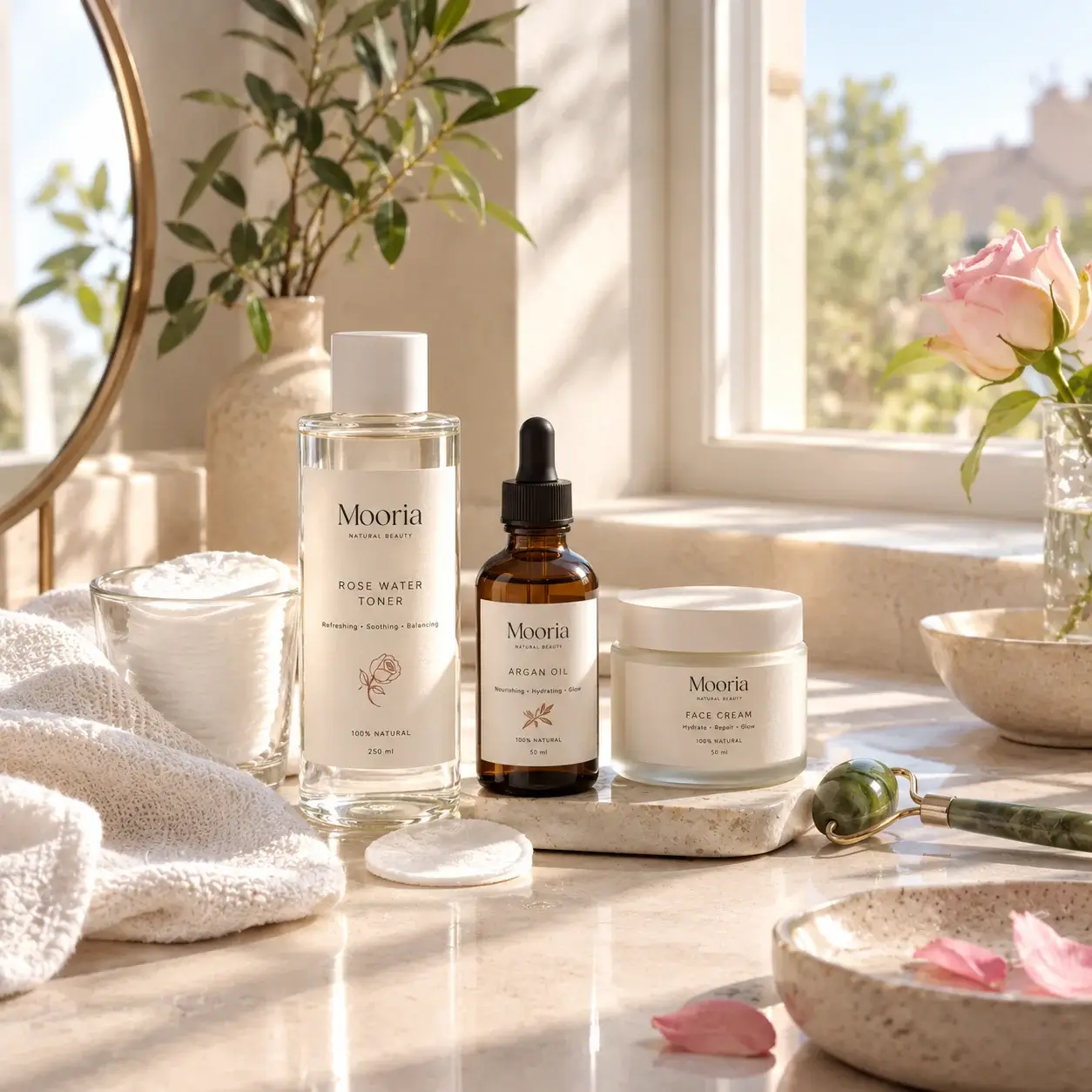
For centuries, pure botanical hydrosols have held a central place in traditional self-care rituals across North Africa, the Middle East, and Mediterranean regions. Among these natural remedies, steam-distilled rose water (Rosa damascena hydrosol) stands out as one of the most versatile and timeless skin elixirs. Celebrated for its gentle anti-inflammatory properties, subtle astringency, and profound hydrating capabilities, rose water is far more than just a pleasant-smelling facial mist.
Integrating rose water into your daily regimen can transform dry, dull, or easily irritated skin into a visibly balanced, soft, and glowing complexion. However, because skin needs differ noticeably between day and night, knowing precisely when and how to apply rose hydrosol makes all the difference. In this comprehensive guide, we will walk you through the science-backed benefits of rose water and provide a step-by-step breakdown for using it effectively in both your morning (AM) and evening (PM) skincare routines.
Why Rose Water Belongs in Your Daily Regimen
At its core, pure rose water is created through steam distillation of fresh rose petals. This intricate process captures both micro-droplets of essential rose oils and the water-soluble compounds of the plant. Unlike synthetic toners that rely heavily on denatured alcohol or harsh synthetic fragrance, genuine rose hydrosol delivers skin-nourishing nutrients in a perfectly gentle, aqueous vehicle.
Research published in the Journal of Traditional and Complementary Medicine highlights the rich phytochemical profile of Rosa damascena, which includes flavonoids, anthocyanins, and phenolic compounds with demonstrated antioxidant and soothing properties. Incorporating rose water into your regular routine provides several foundational skin benefits:
- Restores pH Balance: Tap water and alkaline cleansers often disrupt the skin's natural acidic mantle (which hovers around pH 4.5 to 5.5). Rose water has a naturally low pH, helping to rebalance your skin after cleansing.
- Soothes Redness and Inflammation: Natural anti-inflammatory constituents help reduce superficial redness, calm reactive skin, and soothe mild irritation from environmental stressors.
- Delivers Lightweight Surface Hydration: As a natural humectant, rose hydrosol binds water droplets to the outermost layer of the epidermis (the stratum corneum), making it ideal for layering underneath creams and serums.
- Refines Skin Texture: Mild natural tannins offer subtle astringent properties, helping to clean residual grime and smooth the appearance of uneven skin texture.
To dive deeper into the science and versatility of this botanical ingredient, explore our detailed breakdown of the 10 surprising benefits of rose water for your face.
The Morning Skincare Routine: Refresh, Hydrate, and Protect
During the night, your skin goes through natural repair processes, shedding dead skin cells and secreting sebum. In the morning, your primary objective is not deep purification, but gentle cleansing, weightless hydration, antioxidant defense, and sun protection. Rose water excels in the morning by awakening tired skin and creating a perfectly prepped canvas for active ingredients and makeup.
Step 1: Gentle Cleansing
Start your morning with either a lukewarm water rinse or a mild, non-stripping cleanser. Avoid harsh exfoliation in the morning, as your skin barrier needs to remain intact to face diurnal stressors like UV radiation and urban pollution.
Step 2: Hydrating and Prepping with Rose Water
Immediately after cleansing, while your skin is still damp, apply your rose water. You can spray it generously as a fine mist across your face, neck, and décolletage, or press it gently into your skin using clean hands. Avoid single-use cotton pads when possible to prevent unnecessary friction and product waste.
Functioning as an alcohol-free hydrating toner, rose hydrosol dampens the outer layer of the skin, increasing its permeability. If you have ever wondered about its effect on visible pores, read our in-depth analysis on using rose water as a toner and whether it minimizes pores.
Step 3: Apply Water-Soluble Serums (Vitamin C & Hyaluronic Acid)
Never wait for the rose water to dry completely before applying your serums. Damp skin acts like a sponge, dramatically enhancing the absorption of active ingredients. Apply antioxidant serums such as Vitamin C or hydrating active ingredients like Hyaluronic Acid straight onto the rose-water-dampened surface. Hyaluronic acid requires moisture to pull into the skin; applying it over rose water ensures it draws pure botanical hydration into the epidermis rather than pulling moisture out from deeper skin layers.
If your goal is achieving a radiant summer complexion, combining rose water with protective antioxidant serums is key. Check out our complete guide on how to get glowing, even-toned skin for extra seasonal tips.
Step 4: Lock In Moisture
Follow up with a lightweight morning moisturizer tailored to your skin type. The emollients in your moisturizer will form a protective seal over the water-based hydration provided by the rose mist and active serums, locking it in all day long.
Step 5: Broad-Spectrum Sunscreen
Conclude your morning routine with a broad-spectrum SPF 30 or higher. Sunscreen protects your skin from premature photoaging and hyperpigmentation, locking in the morning’s hydration while shielding your skin barrier.
The Evening Skincare Routine: Cleanse, Repair, and Nourish
At night, your skin shifts from defense mode to regeneration mode. Cellular turnover speeds up, and skin barrier recovery is at its peak. Your evening routine should prioritize deep purification, targeted treatment actives, and rich emollients. Rose water acts as a soothing mediator that balances potent night treatments and prevents transepidermal water loss (TEWL).
Step 1: Double Cleansing
Throughout the day, sunscreen, makeup, environmental particulate matter, and excess sebum accumulate on your skin. Begin with an oil-based cleanser or makeup-melting balm to dissolve lipophilic impurities. Follow with a gentle water-based facial cleanser.
For those interested in traditional deep-cleansing alternatives during body-care days, understanding ingredient profiles is essential. You can learn about the fundamental formulation differences in our comparison of African black soap vs. Moroccan black soap.
Step 2: Re-Balancing Soothing Mist
Thorough cleansing—even with gentle products—can temporarily elevate your skin's surface pH. Immediately spray your rose water hydrosol after patting your face dry. The natural floral acids help reset your acid mantle to its ideal acidic balance, calming post-cleansing inflammation.
Step 3: Targeted Night Treatments (Retinoids or Exfoliating Acids)
If you use active treatments like retinol, prescription retinoids, or AHA/BHA chemical exfoliants, wait a couple of minutes until the rose water fully absorbs into the skin. Applying potent active treatments directly onto wet skin can sometimes increase penetration speed too rapidly, causing irritation or tingling. Once dry, apply your targeted active product according to your dermatologist's recommendations.
Pro Tip: If you suffer from sensitive skin, you can use the "sandwich method"—apply rose water, a light layer of plain moisturizer, your retinoid treatment, and finish with another spray of rose water and heavy moisturizer to buffer potential dryness.
Step 4: Nutrient-Rich Night Cream or Botanical Facial Oils
Nighttime is ideal for richer creams, lipid-replenishing barrier balms, or pure cold-pressed facial oils such as Argan oil or Rosehip seed oil. Spritzing a final light veil of rose water right before massaging a few drops of facial oil onto your skin creates an instantaneous, fresh emulsion that mimics your skin's natural hydro-lipid film.
AM vs. PM Rose Water Application: Quick Comparison
To help you structure your daily skincare routine easily, here is a concise comparison of how rose water functions across your morning and evening regimens:
| Routine Step | Morning (AM) Focus | Evening (PM) Focus |
|---|---|---|
| Primary Purpose | Awakening hydration, pH balance, and antioxidant prep. | Soothing post-cleanse barrier recovery and active ingredient buffer. |
| Application Method | Light, refreshing mist pressed into clean skin before morning serums. | Generous mist post-cleansing; or mixed directly with facial oils/night creams. |
| Complementary Actives | Vitamin C, Niacinamide, Hyaluronic Acid, SPF. | Retinoids, Glycolic/Lactic Acid, Ceramides, Argan Oil. |
| Targeted Benefit | Smooth finish under makeup, all-day hydration, radiant glow. | Deep repair, soothing irritation, preventing transepidermal water loss. |
Elevating Your Self-Care: Weekly Spa Additions with Rose Water
Beyond daily morning and evening steps, pure rose hydrosol shines when incorporated into deeper weekly treatments and holistic home-spa rituals.
1. Custom Clay Mask Activator
When mixing dry cosmetic clays (such as Moroccan Ghassoul or French Green Clay) for a weekly purifying mask, substitute tap water entirely with pure rose water. Plain tap water can contain minerals that dry out the skin, whereas rose hydrosol adds soothing moisture directly to the clay paste, preventing the mask from overly stripping your skin as it dries.
2. Home Hammam & Steam Bath Refreshment
Thermal baths and warm facial steams open pores and promote circulation, but heat can occasionally cause facial flushing or dehydration. Spraying chilled rose water onto your skin immediately following warm steam rapidly cools the tissue, constricts micro-capillaries, and restores moisture balance. To learn how to curate an authentic steam experience in your own bathroom, explore our step-by-step guide on how to do a traditional Moroccan bath (hammam) at home.
How to Choose the Right Rose Water Product
To experience true cosmetic benefits without triggering adverse allergic reactions, selecting an authentic, high-grade rose water product is paramount. The commercial marketplace is flooded with synthetic "rose-scented" waters made simply of distilled water, artificial perfumes, solubilizers, and harsh preservatives.
When shopping for rose water, inspect the INCI (International Nomenclature Cosmetic Ingredient) list carefully:
- The Ideal INCI Label: Look for Rosa Damascena Flower Water or Rosa Damascena Distillate as the sole ingredient.
- Avoid Synthetic Fragrance: Avoid products listing "Parfum", "Fragrance", or denatured alcohol (Alcohol Denat). These additions counteract the natural soothing benefits of the plant hydrosol and frequently cause contact dermatitis.
- Check Packaging: High-grade hydrosols are sensitive to light and air exposure. Choose products packaged in dark amber or cobalt blue glass bottles with air-tight mist sprayers.
According to safety standards established by the European Commission's CosIng Database, pure botanical hydrosols manufactured under strict quality standards offer safe, non-irritating topical benefits suitable for almost all skin types, including sensitive and sensitive-reactive skin.
Common Mistakes to Avoid When Using Rose Water
Even gentle natural products require correct application techniques to yield optimal results. Avoid these common mistakes:
- Letting Rose Water Air-Dry Completely: If you spray rose water on your face and allow it to evaporate in dry air without following up with an occlusive moisturizer, the evaporating water droplets can carry away your skin’s intrinsic moisture, leading to increased dryness. Always seal it in with a cream or oil!
- Using Rose Water as a Standalone Sunscreen or Cleanser: Rose water is an auxiliary hydrating step. It cannot dissolve heavy makeup on its own, nor does it provide UV protection. Always pair it with dedicated cleansers and sunscreens.
- Storing Hydrosols in Direct Sunlight or Warm Areas: Pure organic rose water without synthetic preservatives has a finite shelf life. Keep your bottle in a cool, dark cabinet, or store it in your cosmetic refrigerator for an invigorating, cold morning splash.
Frequently Asked Questions (FAQ)
Can I use rose water every day?
Yes. Pure 100% steam-distilled rose water is extremely gentle and suitable for daily morning and evening use. Because it is alcohol-free and naturally balanced to the skin’s pH, it can be applied multiple times throughout the day without stripping the skin.
Is rose water suitable for acne-prone skin?
Absolutely. Rose water possesses mild natural antibacterial and anti-inflammatory properties that help soothe active breakouts and reduce skin redness. Because it is lightweight and non-comedogenic, it hydrates skin without clogging pores or triggering excess sebum production.
Should I wipe off rose water after spraying it?
No. Allow the rose water to soak into your skin, or gently pat it in using clean fingertips. Follow up immediately with your favorite serums or moisturizers while your skin remains damp to trap the hydrating droplets inside your skin barrier.
Can rose water replace my regular moisturizer?
No. Rose water is a water-based hydrosol that provides surface humectant hydration, but it lacks the lipid components (like oils, ceramides, or fatty acids) required to lock in moisture long-term. Always follow your rose water application with an emollient moisturizer or facial oil.
Conclusion
Integrating pure rose water into your morning and evening skincare routine is one of the simplest yet most rewarding upgrades you can make for your skin. In the morning, it delivers a refreshing, hydrating wake-up call that balances skin pH and boosts the efficacy of your daylight antioxidants. At night, it soothes stress from daily environmental exposure, calms post-cleansing irritation, and seals in essential nourishment alongside your repair creams.
By selecting authentic, 100% pure steam-distilled hydrosols and applying them correctly on damp skin, you unlock a time-tested secret to achieving a radiant, balanced, and resilient complexion every single day.