Rose Water as Toner: Does It Really Minimize Pores?
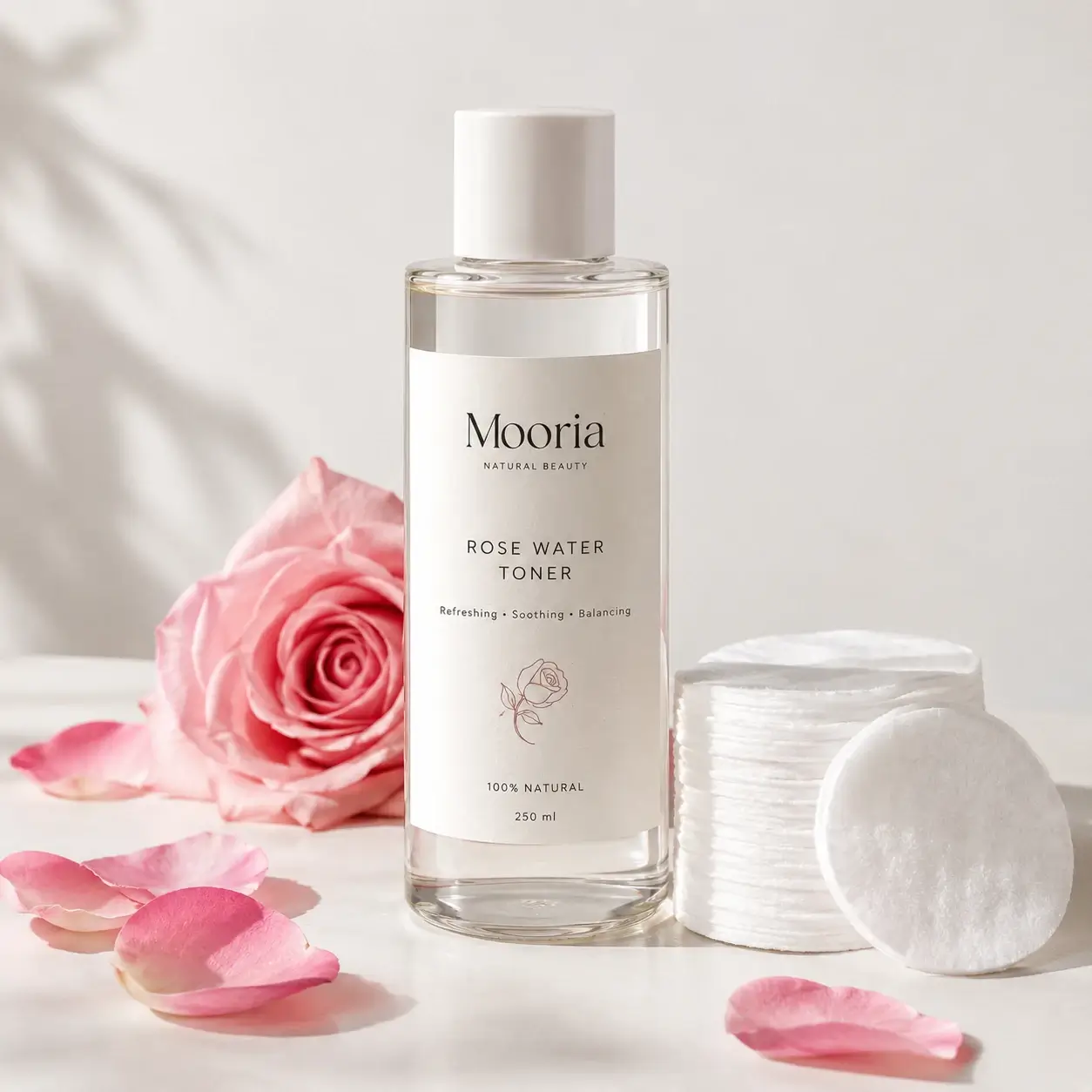
When exploring natural skincare remedies, few botanical ingredients enjoy as much timeless popularity as rose water. Revered for centuries across Mediterranean and Middle Eastern cultures for its soothing fragrance and refreshing feel, pure rose water (hydrosol) has become a staple in modern skincare routines—frequently recommended as a natural toner to refine skin texture and shrink enlarged pores.
However, with so many beauty myths circulating online, it is essential to ask: Does rose water actually minimize pores, or is it simply a pleasant-smelling facial mist?
In this comprehensive guide, we will break down the science behind facial pores, examine the active properties of pure rose water, and explore how incorporating this gentle botanical toner into your daily routine affects pore size, sebum production, and overall skin health.
Understanding Pores: Can They Actually Shrink?
To evaluate whether rose water can minimize pores, we first need to understand what pores are and how they behave. Facial pores are small openings in the skin that house hair follicles and sebaceous (oil-producing) glands. They play a vital physiological role by allowing sebum to reach the skin surface, keeping it lubricated, protected, and hydrated.
A common misconception in skincare is that pores act like tiny muscles that can "open" and "close" or physically shrink in size. Dermatologically speaking, pore size is primarily determined by genetics and age. Pores do not possess muscles; therefore, no cosmetic product—natural or synthetic—can permanently erase them or alter their underlying genetic size.
However, pores can expand or appear significantly larger due to several distinct factors:
- Excess Sebum Production: Overactive oil glands fill pores with excess oil, pushing against pore walls and causing them to stretch.
- Clogged Debris & Dead Skin Cells: When dead skin cells mix with sebum, oxidized plugs (blackheads) form, making pores appear dark and enlarged.
- Loss of Skin Elasticity: As collagen degrades due to aging or sun exposure, the structural support surrounding pores weakens, causing them to sag and widen.
- Inflammation & Irritation: Swollen, inflamed skin around a pore highlights its opening, creating an uneven, textured appearance.
When beauty experts state that a toner "minimizes pores," they mean the product helps reduce the visibility of pores by clearing congestion, firming surrounding tissue, and regulating oil production. This is where high-quality rose water comes into play.
How Rose Water Interacts with Your Skin
Pure rose water is produced through the steam distillation of fresh rose petals (most notably Rosa damascena). This delicate process yields a potent hydrosol rich in water-soluble botanical compounds, essential oil trace elements, polyphenols, and mild naturally occurring tannins.
To understand its role as a toner, consider the distinct biochemical actions pure rose water offers when applied to cleansed skin:
1. Mild Astringent Action from Natural Tannins
Astringents are substances that contract or tighten body tissues. Unlike commercial alcohol-based toners that strip the skin's moisture barrier, steam-distilled rose water contains subtle organic tannins. When applied to the face, these gentle tannins cause a micro-contraction of the skin's top layers. This temporary tightening effect creates a smoother surface reflection, instantly making pore openings look smaller and more refined.
2. Anti-Inflammatory Properties Calming Surrounding Skin
When skin is irritated, flushed, or inflamed from environmental stressors, the tissue surrounding your pores swells. This swelling accentuates the depth and shadow of each pore, making skin texture look rough. Rose water is rich in flavonoids such as anthocyanins and quercetin, which display well-documented anti-inflammatory benefits. By soothing localized redness and calming irritation, rose water flattens elevated pore borders, creating a more uniform canvas.
3. Balancing pH and Excess Sebum
Healthy human skin naturally maintains a slightly acidic pH level (around 4.5 to 5.5), known as the acid mantle. Harsh cleansers and tap water can alter this natural balance, prompting sebaceous glands to overproduce oil to compensate. Rose water naturally matches the skin's ideal acid balance (pH ~5.5). Using rose water as a toner after cleansing restores optimal surface balance, preventing the overproduction of oil that leads to clogged, stretched pores.
4. Hydration and Tissue Plumping
Dehydrated skin looks thin and dull, allowing pores and fine lines to stand out dramatically. Rose water supplies lightweight, water-based hydration directly to the stratum corneum (the outermost layer of the skin). Hydrated skin cells swell slightly in a process known as cellular turgor. This subtle plumping effect pushes surrounding tissue inward, visually softening the look of enlarged pores.
Comparing Rose Water to Common Pore-Refining Ingredients
While rose water provides effective, natural pore refinement, it works differently from stronger active ingredients commonly found in modern dermatological skincare. The table below compares rose water to other popular pore-focused treatments:
| Ingredient | Mechanism of Action | Primary Pore Benefit | Skin Sensitivity Level |
|---|---|---|---|
| Pure Rose Water | Hydrating, mild natural tannins, anti-inflammatory compounds | Soothes tissue, temporarily tightens skin, balances surface pH | Extremely Low (Suitable for sensitive skin) |
| Salicylic Acid (BHA) | Oil-soluble chemical exfoliation inside pore lining | Dissolves trapped sebum, prevents blackheads, unclogs deep pore debris | Moderate (Can cause dryness or flaking) |
| Niacinamide (Vitamin B3) | Regulates sebum production, supports lipid barrier function | Prevents long-term pore stretching, improves skin elasticity | Low to Moderate |
| Witch Hazel | High concentration of synthetic or natural tannins | Strong astringent tightening, rapid oil removal | Moderate to High (Often formulated with denatured alcohol) |
As illustrated, while ingredients like Salicylic Acid physically dissolve trapped oil deep inside the pore, rose water offers a holistic, soothing approach that calms the skin, regulates the environment, and creates a refined surface appearance without risking moisture barrier damage.
Real Expectations: What Rose Water Can and Cannot Do
To achieve the best results with rose water as a toner, it is crucial to maintain realistic expectations based on cosmetic science rather than marketing hype.
What Rose Water CAN Do:
- Visually reduce pore prominence: By hydrating cells and gently contracting surface tissue, pores look visibly smaller immediately after application.
- Control excess shine: Regular use helps keep surface oils balanced throughout the day without over-drying.
- Soothe acne-related swelling: Redness around active breakouts is calmed, reducing the exaggerated appearance of adjacent pores.
- Prepare skin for serums: Damp skin absorbs follow-up products (like hyaluronic acid or niacinamide) much more efficiently. To discover more about its versatile application, explore the 10 surprising benefits of rose water for your face.
What Rose Water CANNOT Do:
- Permanently change pore size: Genetic pore structure remains unchanged.
- Clear deep structural blockages alone: Rose water lacks strong chemical exfoliating acids; severely clogged pores require proper exfoliation.
- Erase dark blackheads overnight: Blackheads require deep cleansing and targeted lipid-dissolving treatments.
How to Integrate Rose Water into Your Routine for Optimal Pore Refinement
To maximize the pore-minimizing and skin-smoothing potential of rose water, follow a balanced, layered skincare methodology:
Step 1: Thorough, Gentle Cleansing
Toner cannot refine pores if they are buried under thick oil, makeup, or dirt. Begin with a clean foundation. If you struggle with persistent texture or congested pores, using traditional remedies like Moroccan Black Soap during an evening wash provides a deep, non-abrasive cleanse. Learn more about how this unique natural cleanser operates in our detailed guide on African black soap vs. Moroccan black soap.
Step 2: Exfoliate Periodically
To keep pore channels clear of dead skin buildup, incorporate regular physical or mild chemical exfoliation 1–2 times per week. For body and facial prep, ritualistic tools like a traditional Kessa glove for painless dead skin removal help sweep away surface debris, allowing facial hydrosols to absorb seamlessly.
Step 3: Apply Rose Water Toner
Directly after cleansing while your skin is slightly damp:
- Mist pure rose hydrosol liberally over your face and neck, OR
- Pour a small amount onto a reusable cotton pad and gently sweep upward across zones prone to enlarged pores (such as the T-zone, nose, and inner cheeks).
Allow the rose water to absorb for 30–60 seconds. Do not wipe it off.
Step 4: Layer Active Serums & Seal Moisture
While the skin remains damp with rose water, apply your targeted treatment serums. If pore tightening is your primary goal, a Niacinamide or Vitamin C serum works synergistically with rose water. Finish with a lightweight moisturizer or natural facial oil to lock in hydration and preserve a plump, poreless glow. For seasonal adjustments to maintain a balanced complexion, consult our summer guide to glowing, even-toned skin.
Combining Steam and Rose Water: The Traditional Hammam Method
In traditional Moroccan beauty rituals, temperature interplay is used to enhance skin texture. During a traditional bath routine, warm steam naturally softens keratin buildup and dilates surface pores, facilitating deep purification.
Following a warm steam session with cool, pure rose water creates a refreshing temperature contrast that immediately calms flushed skin and visibly tightens the appearance of freshly cleansed pores. You can recreate this luxurious spa ritual in your own bathroom by following our step-by-step guide on how to do a traditional Moroccan bath (hammam) at home.
How to Choose the Right Rose Water Toner
Not all products labeled "Rose Water" are created equal. Many commercial options are simply tap water mixed with synthetic rose perfumes, alcohol, and chemical preservatives—ingredients that irritate skin and actually enlarge pores by causing dryness and inflammation.
To ensure you get real pore-refining results, check the ingredient label for the following markers of purity:
- Single Ingredient Label: Look for Rosa Damascena Flower Water or Rosa Damascena Distillate as the sole ingredient.
- Steam-Distilled Hydrosol: Ensure the product is a true steam distillation byproduct, not distilled water reconstituted with rose essential oil and emulsifiers.
- Zero Added Alcohol: Alcohol provides a temporary cooling feeling but strips the skin barrier, leading to rebound oiliness and enlarged pores.
- Free from Synthetic Fragrance & Dyes: Artificial perfumes are major culprits behind skin irritation and pore-enlarging contact dermatitis.
- Dark Glass Packaging: High-quality botanical hydrosols are packaged in amber or dark cobalt glass to protect natural polyphenols from light degradation.
Frequently Asked Questions
Can I use rose water as a toner every day?
Yes. Pure steam-distilled rose water is gentle, non-stripping, and suitable for daily use both morning and night. Because it contains no harsh drying agents, it supports skin barrier health with every application.
How long does it take for rose water to minimize pores?
You can observe an immediate visual reduction in pore visibility due to rose water's hydrative plumping and mild astringent properties. Long-term improvements in skin texture and balanced oil production typically become noticeable after 2 to 4 weeks of consistent daily use.
Is rose water good for oily, acne-prone skin with large pores?
Absolutely. Rose water has mild antimicrobial and anti-inflammatory properties that calm acne breakouts without clogging pores (it is completely non-comedogenic). It helps balance sebum production, preventing oil from pooling in and stretching pores.
Can rose water replace chemical exfoliants like Salicylic Acid?
No. Rose water acts as a soothing, balancing hydrosol toner, whereas chemical exfoliants break down deep sebum plugs inside the pore shaft. For best results, use chemical exfoliants 2–3 times per week, followed by rose water to soothe and rehydrate the skin.
The Verdict: Does Rose Water Minimize Pores?
The short answer is yes, but with realistic expectations. While pure rose water cannot alter your underlying DNA or physically shrink pore size permanently, it acts as an exceptionally effective, natural pore-refining toner.
By balancing surface pH, calming swelling, delivering lightweight hydration, and providing mild astringent tightening, pure rose water significantly reduces the visual appearance of enlarged pores. When integrated into a clean, well-rounded skincare routine, this timeless botanical hydrosol leaves skin looking remarkably smooth, balanced, and naturally radiant.