DIY Rhassoul Clay Face Mask: Clarifying Home Recipe
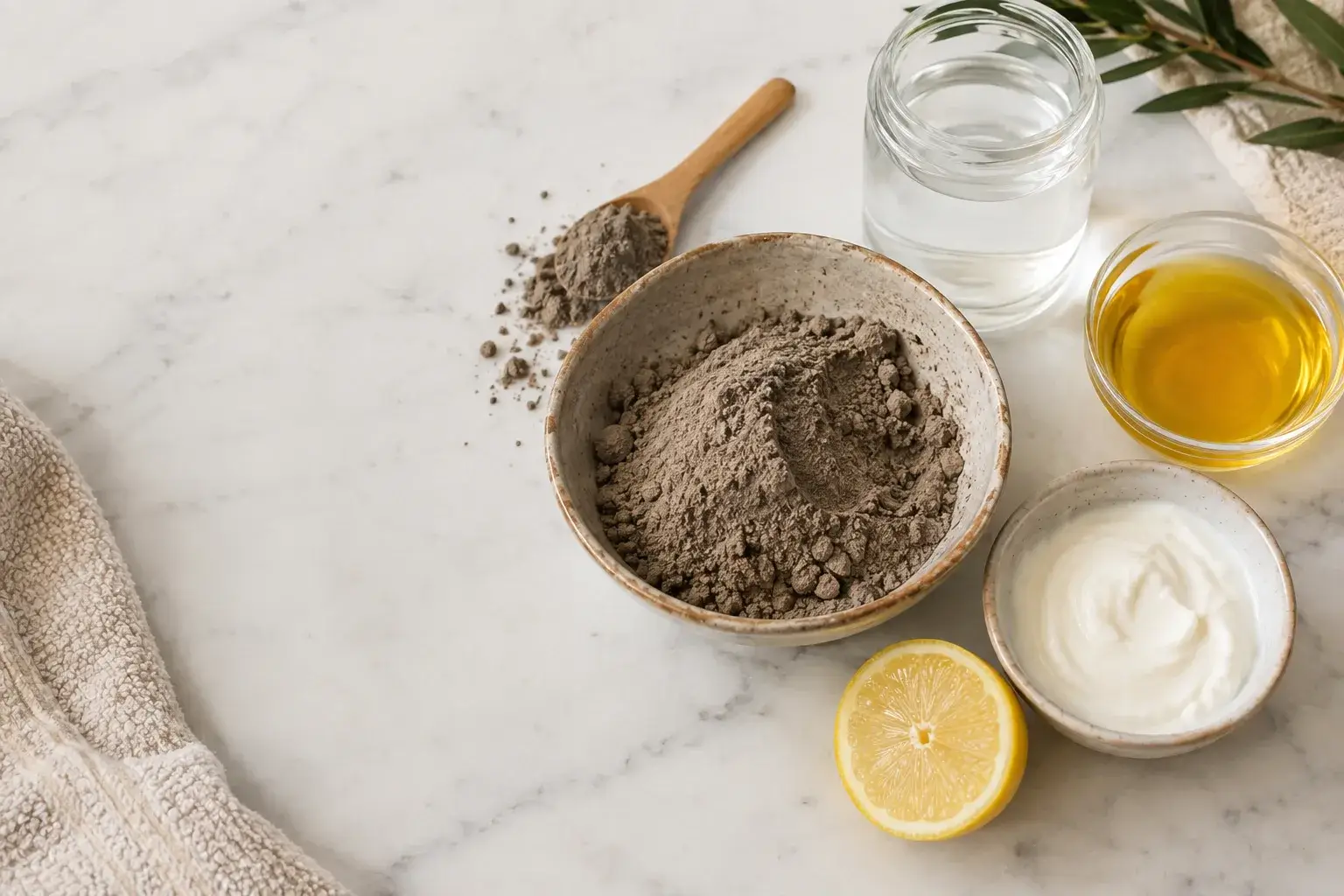
Why Rhassoul Clay Is the Ultimate Natural Clarifying Ingredient
Excess sebum, environmental pollutants, and dead skin cell buildup can leave skin feeling congested, dull, and prone to breakouts. While synthetic facial cleansers often rely on harsh sulfates that strip the skin's natural lipid barrier, natural mineral clays offer a balanced alternative. Among the world’s most revered spa ingredients is Rhassoul clay (also known as Ghassoul clay), a ancient mineral-rich clay mined exclusively from deposits deep within the Atlas Mountains of Morocco.
Unlike high-swelling clays that can draw out too much moisture, Rhassoul clay is celebrated for its unique ability to absorb impurities and excess oil while respecting the skin's moisture balance. Creating a DIY Rhassoul clay face mask at home allows you to harness these mineral properties without synthetic preservatives, artificial fragrances, or unnecessary fillers.
In this step-by-step guide, you will learn why Rhassoul clay works so effectively, how to formulate a purifying facial mask at home, and how to customize the recipe for your specific skin type.
The Science & Benefits of Rhassoul Clay for Skin
Rhassoul clay is an smectite clay composed primarily of stevensite, enriched with magnesium, silica, potassium, calcium, and trace minerals. Its negative negative charge allows it to attract positively charged toxins, dirt, and excess sebum trapped inside pores.
| Property | Rhassoul Clay Benefit | Impact on the Skin |
|---|---|---|
| High Silica Content | Supports skin texture and elasticity | Leaves skin soft and smooth after rinsing |
| Magnesium & Calcium | Reinforces skin barrier function | Helps soothe inflammation and irritation |
| High Cationic Exchange | Binds positively charged impurities | Deeply clarifies congested pores without stripping |
| Silky Hydro-Colloidal Texture | Provides gentle physical exfoliation | Removes dead surface cells smoothly |
When selecting a clay for your skin type, understanding the differences between bentonite clay vs rhassoul clay skin type suitability is critical. While bentonite expands significantly and carries an intense drying draw best suited for extremely oily skin, Rhassoul has a lower swelling index and a silky, non-drying feel that works exceptionally well for normal, combination, sensitive, and acne-prone skin.
Essential Tools & Ingredients for Your DIY Face Mask
Before mixing your mask, gather your equipment and ingredients. Working with natural clays requires a few basic safety rules to preserve the clay's mineral charge.
1. Equipment Needed
- Non-Metallic Bowl: Use glass, ceramic, or wooden bowls. Avoid reactive metals (like iron or aluminum) because metal ions can alter the clay's electrical charge and diminish its clarifying potency.
- Non-Metallic Spoon or Spatula: A wooden, bamboo, or silicone spoon works best for mixing.
- Measuring Spoons: For accurate liquid-to-powder ratios.
2. Core Ingredients
- Pure Moroccan Rhassoul Clay Powder: Ensure you are using 100% pure cosmetic-grade clay. To avoid low-grade or adulterated products, learn how to source authentic Moroccan cosmetic ingredients.
- Hydrosol or Floral Water: Pure distilled water works, but pairing clay with orange blossom water for cosmetic uses provides anti-inflammatory, soothing, and botanical benefits while providing a subtle natural aroma.
- Optional Nourishing Boosters: Raw honey, jojoba oil, or aloe vera juice depending on your skin care goals.
Step-by-Step Clarifying DIY Rhassoul Clay Mask Recipe
This classic recipe yields enough mask for one full face application. It balances intense pore purification with soothing hydration.
Ingredients
- 1 tablespoon pure Rhassoul clay powder
- 1 to 1.5 tablespoons pure Orange Blossom Water (or Rose Water)
- 1/2 teaspoon raw honey (optional, for added antibacterial hydration)
- 2 drops jojoba oil or argan oil (optional, for dry or sensitive skin)
Step 1: Measure the Clay
Sift 1 tablespoon of finely ground Rhassoul clay powder into your glass or ceramic bowl. Ensure there are no large lumps before adding liquid.
Step 2: Add the Liquid Base Gradually
Pour 1 tablespoon of orange blossom water over the clay. Do not stir immediately—allow the clay to naturally absorb the liquid for 30 to 60 seconds. This prevents clumping and creates a smoother paste.
Step 3: Mix and Customize Texture
Using a wooden or silicone utensil, mix the mixture thoroughly. If using honey or plant oils, fold them in now. If the mixture feels too dry, add a few extra drops of floral water until you reach a smooth, creamy, yogurt-like consistency.
Pro Tip: Never let your clay mask become runny or watery. A rich, thick texture ensures even application and prevents the mask from drying out too fast on your face.
How to Apply and Remove Your Rhassoul Clay Mask
How you apply and remove a clay mask is just as important as the recipe itself. Improper use can lead to irritation or temporary redness.
1. Prepare Your Skin
Cleanse your face with a mild liquid cleanser to remove makeup, surface oil, and grime. Pat dry with a clean towel. Applying clay to clean skin allows the minerals to contact pores directly.
2. Apply Evenly
Using a soft facial brush or clean fingertips, spread an even layer across your face. Avoid the delicate eye contour, lips, and nostrils. Make sure the layer is moderately thick so it does not dry up instantaneously.
3. The Golden Rule of Clay Masks: Don't Let It Dry Completely!
Clay masks go through three distinct phases on the skin:
- The Wet Phase: Skin absorbs beneficial minerals from the liquid clay mixture.
- The Start of the Dry Phase: ClayContracts, stimulates blood flow, and draws out excess oil and surface debris.
- The Fully Dry Phase: Clay pulls moisture directly out of skin cells, leading to dehydration, redness, and barrier irritation.
Rinse the mask off when it reaches the end of the wet phase or early dry phase—when it feels slightly tacky to the touch (usually 8 to 10 minutes). Do not wait for it to crack, turn pale, or feel brittle.
4. Gently Rinse & Hydrate
Splash warm water onto your face to re-hydrate the clay mask. Gently massage in circular motions to soften the paste, then wipe away using a wet soft washcloth. Follow immediately with your preferred facial toner, serum, and moisturizer to seal in hydration.
Customizing the Recipe for Different Skin Needs
One major advantage of making a DIY mask is versatility. You can easily adapt the basic recipe to target your individual skin concerns:
For Oily and Acne-Prone Skin
Replace half of the floral water with raw, unfiltered apple cider vinegar or witch hazel. You can also add 1 drop of tea tree essential oil or lavender essential oil to support clear skin.
For Dry or Mature Skin
Mix 1 tablespoon of clay with 1 tablespoon of rose hydrosol, 1/2 teaspoon of pure raw honey, and 3-4 drops of cold-pressed argan oil. The added lipids keep the skin barrier nourished while the minerals clarify.
Multi-Masking Bonus: Hair & Scalp Care
If you accidentally mix extra clay paste, do not throw it away! Rhassoul clay is exceptional for scalp detoxifying. Check out how to formulate a rhassoul clay hair mask for curly hair to cleanse product buildup and clarify hair strands without stripping natural moisture.
Common DIY Clay Mask Mistakes to Avoid
- Using Metal Utensils: Metal items reduce clay charge and efficacy. Stick to wood, glass, or silicone.
- Leaving the Mask On Too Long: Prolonged drying causes rebound oil production and vascular redness.
- Over-using the Mask: 1 to 2 times a week is optimal. Over-exfoliating can disrupt your skin's natural moisture barrier, a safety concern highlighted by organizations like the European Chemicals Agency (ECHA) regarding cosmetic safety and skin barrier health.
- Storing Mixed Batches: Fresh DIY clay masks contain water and zero preservatives. Mold and bacteria can grow quickly in water-based mixtures. Always mix fresh single-use batches.
If you are a skincare formulation business or beauty brand owner looking to commercialize similar natural formulations at scale, reviewing a detailed private label Moroccan skincare ingredients and packaging supplier guide will help you navigate commercial stability, preservation, and regulatory compliance.
Frequently Asked Questions
How often should I use a DIY Rhassoul clay mask?
For oily or combination skin, using a Rhassoul clay mask 1 to 2 times per week is ideal. For normal or dry skin, once every 10 to 14 days is sufficient to purify pores without causing dryness.
Can Rhassoul clay cause breakouts?
Rhassoul clay itself is non-comedogenic and purifies pores. However, some users experience mild initial purging as trapped oil and debris come to the surface. If irritation or persistent redness occurs, discontinue use or reduce frequency.
Can I store leftover DIY clay mask in the fridge?
Because DIY masks made with water or floral hydrosols contain no chemical preservatives, bacteria can multiply quickly. It is strongly recommended to prepare only what you need for single-use applications.
Is Rhassoul clay suitable for sensitive skin?
Yes. Compared to clays like bentonite or green kaolin, Rhassoul has a higher mineral content and a lower absorption rate, making it much gentler on sensitive skin types.
Final Thoughts
Making your own clarifying DIY Rhassoul clay face mask at home is a simple, rewarding, and highly effective way to elevate your natural skincare routine. By combining authentic Moroccan mineral clay with soothing floral hydrosols and nourishing botanical oils, you can enjoy clean, refreshed, and glowing skin without harsh synthetic chemicals.