DIY Aker Fassi Tint & Blush: Traditional Moroccan Glow
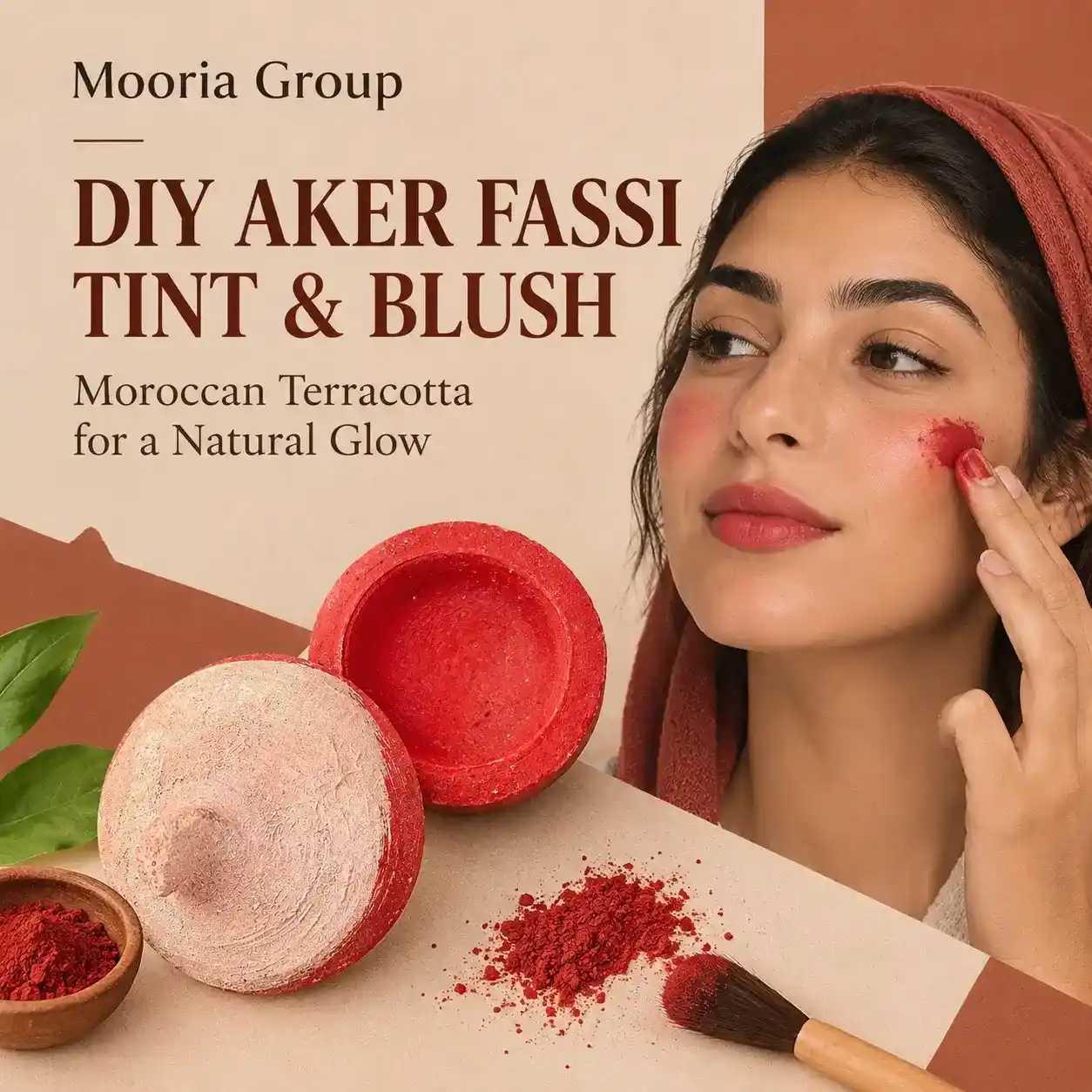
Discovering Aker Fassi: Morocco’s Ancient Secret for Radiant Skin
Long before clean beauty was a mainstream movement, Berber women across North Africa perfected the art of natural makeup using plant pigments and sun-baked clay. Among these ancestral beauty tools, Aker Fassi stands out as one of the most iconic. Recognizable by its distinctive terracotta pot appearance, this vibrant crimson pigment delivers a luminous, flushed appearance that blends seamlessly into the skin.
In today's beauty world, liquid cheek stains and multi-use lip tints are daily staples. However, many commercial formulations rely on synthetic dyes, alcohol, and heavy preservatives that can dry out delicate lips or clog pores. Learning how to craft a DIY Aker Fassi tint and blush allows you to experience a custom, plant-based cosmetic that nourishes the skin while providing a customizable, healthy flush.
This comprehensive guide explores the rich history of Moroccan terracotta makeup, its botanical composition, how to make your own custom lip and cheek stains at home, and professional application tips for achieving an effortlessly natural glow.
What Is Aker Fassi and How Is It Made?
At first glance, classic Aker Fassi resembles a small, unglazed clay dome or miniature pot coated in a metallic, shimmering bronze glaze. However, once activated with moisture, that dark glaze instantly turns into a vivid ruby-red dye.
Unlike modern synthetic blushes, authentic Aker Fassi is made from just two primary botanical ingredients:
- Dried Red Poppy Petals (Papaver rhoeas): Known in traditional herbalism for their rich anthocyanin content, red poppy petals supply the deep scarlet pigment. Poppy extracts also possess calming, antioxidant properties that help shield skin from atmospheric stress.
- Dried Pomegranate Peel (Punica granatum): Pomegranate rinds are dried in the Moroccan sun and finely ground. Rich in tannins and polyphenols, pomegranate peel acts as a natural mordant—helping the dye adhere gracefully to skin and lips—while offering gentle astringent benefits.
To create the classic terracotta disc, artisans combine the concentrated powder of poppy and pomegranate peel, apply it to the surface of handmade clay vessels, and allow it to bake naturally under the sun. The unglazed terracotta absorbs the botanical extract, creating a solid, shelf-stable block of pure color that lasts for years without spoiling.
The Skincare Benefits of Moroccan Terracotta Makeup
Choosing a traditional plant pigment over conventional cosmetic dyes offers several distinct skin health advantages:
1. Antioxidant Protection
Both red poppy petals and pomegranate peel are packed with antioxidants, including flavonoids and vitamin C derivatives. When applied as a subtle tint on your cheeks or lips, these natural compounds assist in neutralizing free radicals caused by daily environmental exposure.
2. Non-Comedogenic and Light
Because traditional Aker Fassi powder contains zero mineral oils, synthetic waxes, or pore-clogging silicones, it allows the skin to breathe. This makes it an exceptional cheek blush alternative for those prone to breakouts along the upper cheekbones or jawline.
3. Highly Buildable and Natural-Looking
Chemical dyes can sometimes look harsh or settle awkwardly into texture. Plant-based pigments interact with your skin's natural moisture and temperature, blending into a soft color tint that mirrors an authentic blush rather than sitting heavily on top of the epidermis.
How to Use Traditional Aker Fassi: The Direct Activation Method
If you possess an authentic Moroccan terracotta Aker Fassi pot or tile, you do not necessarily need a complex setup to start using it. The traditional method relies simply on targeted hydration.
Step-by-Step Direct Application:
- Dampen Your Brush or Finger: Mist a soft makeup brush, clean cotton swab, or your fingertip with a few drops of clean water or a delicate floral hydrosol. Using botanical hydrosols, such as orange blossom water for cosmetic applications, adds a subtle soothing effect and floral scent.
- Activate the Clay: Rub your damp applicator gently against the surface of the terracotta disc. You will immediately notice the bronze layer dissolving into a brilliant red liquid.
- Apply to Lips or Cheeks: Dab the liquid onto the apples of your cheeks or pat it onto your lips.
- Blend Quickly: Natural stains dry rapidly as the moisture evaporates. Use circular, outward blending motions to diffuse the color seamlessly before it sets.
DIY Recipes: Formulating Your Custom Aker Fassi Lip & Cheek Tint
While using the direct terracotta disc works wonderfully, raw liquid stains can feel drying over a long day. By blending pure Aker Fassi powder (or liquid dissolved from the disc) into nourishing base ingredients, you can formulate convenient, ultra-moisturizing cosmetics tailored to your exact skin type.
Recipe 1: Hydrating Liquid Lip & Cheek Stain (Oil-Free)
This formulation provides a long-lasting, water-based stain similar to high-end liquid tints, perfect for normal to oily skin types.
- 1/2 tsp Authentic Aker Fassi powder (or liquid harvested from activating your clay disc)
- 1 tbsp Pure Rose Water or Neroli Hydrosol
- 1/2 tsp Vegetable Glycerin (acts as a humectant to lock in hydration)
- 1-2 drops Aloe Vera Gel (for smoothness and binding)
Instructions: Combine the floral water and vegetable glycerin in a small glass dropper bottle. Stir in the Aker Fassi powder until fully dissolved. Add the aloe vera gel and shake vigorously. Store in a cool, dry place. Apply 1–2 drops to cheeks or lips and blend immediately with fingertips.
Recipe 2: Nourishing Botanical Lip & Cheek Balm
Ideal for dry skin or colder seasons, this recipe combines plant pigments with rich botanical lipids to soften fine lines while delivering color.
- 1 tbsp Unrefined Shea Butter or Beeswax pellets
- 1 tbsp High-grade facial carrier oil. When evaluating facial oils, comparing options like prickly pear seed oil vs argan oil helps you select the best match for your anti-aging and hydration needs.
- 1/2 tsp Pure Aker Fassi powder
- 2 drops Vitamin E oil (as a natural antioxidant)
Instructions: Melt the butter and carrier oil in a double boiler over low heat. Once melted, remove from heat and whisk in the Aker Fassi powder until the color is uniformly distributed. Stir in the Vitamin E oil. Pour into a small glass pot or aluminum tin and allow it to solidify completely. Tap onto lips and cheekbones with clean fingers for a dewy, glowing tint.
Application Techniques for an Effortless Natural Glow
Because natural plant dyes stain quickly, mastering the correct application strategy makes all the difference between a blotchy finish and a radiant glow.
| Target Area | Technique | Best Tool | Pro Tip |
|---|---|---|---|
| Cheekbones | Dab 3 small dots along the apex of the cheekbone. Blend rapidly upward toward the hairline. | Dense Synthetic Stippling Brush or Warm Fingers | Apply over bare skin or liquid foundation before setting with powders. |
| Lips | Exfoliate lips gently first. Press tint into the center of lips and diffuse outward. | Fingertips or Lip Brush | Top with a clear natural balm to seal in the stain and add shine. |
| Eyelids | Lightly tap leftover product from your fingers across the mobile eyelid for a monochrome wash. | Ring Finger | Keep application sheer to avoid gathering in eye creases. |
Common Mistakes to Avoid
Working with intense natural pigments like poppy petal dye requires a light touch. Here are common pitfalls and how to navigate them:
- Applying to Unprepped, Dry Lips: Natural dyes settle heavily into dry patches. Always exfoliation and moisturize your lips before applying any water-based stain.
- Waiting Too Long to Blend: Aker Fassi sets rapidly. Work on one cheek at a time rather than dotting both sides before blending.
- Using Excessive Water: Over-saturating your terracotta clay disc can wash away too much pigment at once, wasting the natural material. A barely damp brush is sufficient.
- Stained Fingertips: If you use your fingers to blend, wash them promptly with warm soap and water, or use a dedicated makeup sponge to avoid temporary staining around your cuticles.
Integrating Aker Fassi into a Complete Moroccan Self-Care Routine
In traditional Moroccan wellness culture, cosmetic enhancement goes hand-in-hand with skin purification. Aker Fassi serves as the final, beautifying touch after a thorough cleansing and skin-nourishing ritual.
A complete traditional regimen often includes:
- Deep Detoxification: Purifying the body and face with mineral clays. Learning how to make a DIY Rhassoul clay face mask offers an authentic way to clear impurities without stripping natural moisture. Depending on your specific skin needs, exploring a detailed bentonite clay vs Rhassoul clay skin type guide can help you choose the right volcanic or mineral earth.
- Targeted Skin Evening: Addressing body pigmentation issues across areas like elbows and knees through natural exfoliation. Discovering how to lighten dark knees and elbows naturally using herbal remedies ensures an even tone across your entire body.
- Hydration & Color: Misting skin with floral hydrosols, locking in hydration with native Moroccan oils, and finishing with a dab of homemade Aker Fassi tint across the cheeks and lips.
Frequently Asked Questions (FAQ)
Is Aker Fassi safe for sensitive skin?
Yes. Authentic Aker Fassi consists purely of sun-dried red poppy petals and pomegranate rind, making it naturally hypoallergenic and free from synthetic fragrance, phthalates, or parabens. However, always perform a small patch test if you have known plant allergies.
How long does an Aker Fassi tint last on the skin?
When applied as a water-based stain, Aker Fassi offers exceptional staying power, often lasting between 6 to 8 hours on the cheeks and several hours on the lips. Oil-based balm formulations offer a glossier finish and require more frequent touch-ups throughout the day.
How can I tell if my Aker Fassi pot is authentic?
Real Aker Fassi features an unglazed terracotta base with a dry, metallic bronze sheen on top. When touched with dry fingers, minimal color transfers. Once activated with water, it instantly releases a vibrant, rich ruby-red color. Synthetic imitations often look bright red even when completely dry or carry a chemical smell.
Can I mix Aker Fassi with my daily moisturizer?
Absolutely. Mix a tiny drop of activated liquid Aker Fassi into your daily moisturizer or facial serum on the back of your hand to create a glowing, tinted moisturizer that subtly warms your complexion.
Embracing Sustainable, Ancestral Beauty
Crafting your own DIY Aker Fassi tint bridges ancient beauty traditions with modern clean makeup goals. By utilizing simple botanical ingredients—dried poppy petals, pomegranate peel, floral hydrosols, and nourishing lipids—you take full control over what touches your skin. The result is a versatile, eco-friendly lip and cheek blush that yields a healthy, natural, and radiant glow rooted in centuries of Moroccan heritage.