How Long Can You Leave Argan Oil in Your Hair? The 30-Minute vs Overnight Timeline
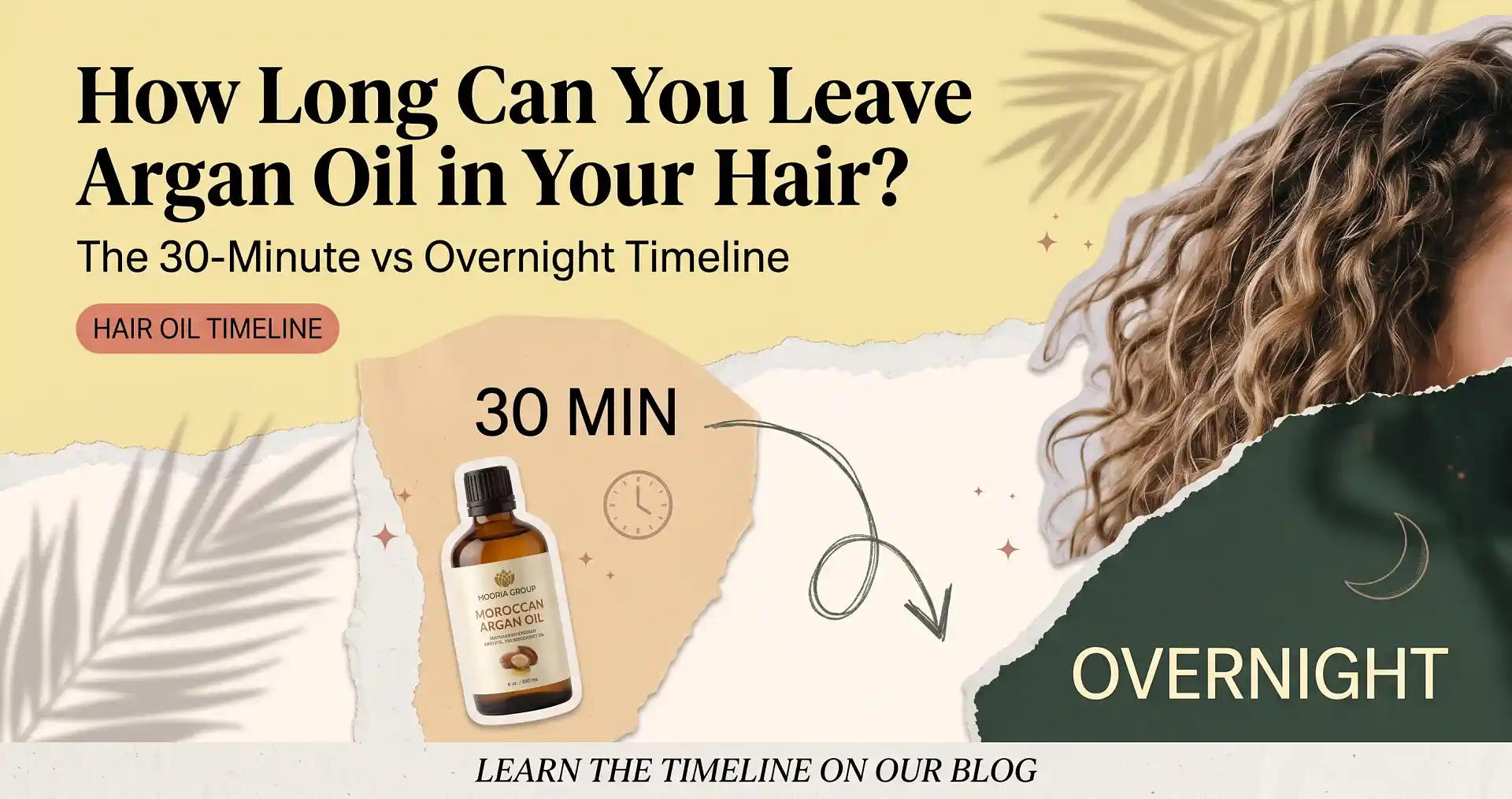
Argan oil has earned its reputation as "liquid gold" in modern hair care, praised for its ability to tame frizz, add luminous shine, and restore softness to damaged strands. However, one of the most frequent questions surrounding its use is surprisingly practical: how long can you actually leave argan oil in your hair? Is a quick 30-minute pre-shampoo mask enough, or do you need an overnight deep-conditioning session to reap its full benefits?
The answer depends on several biological factors, including your hair’s porosity, texture, scalp condition, and the primary benefit you hope to achieve. While some hair types thrive on a fast, 30-minute burst of moisture, others require hours of deep lipid absorption. In this guide, we break down the lipid chemistry of argan oil, evaluate the 30-minute versus overnight timelines, and help you choose the exact duration your hair needs.
The Science of Argan Oil: How It Interacts with the Hair Shaft
To understand treatment timing, it helps to look at how argan oil interacts with the hair structure. Extracted from the kernels of the Argania spinosa tree, pure cosmetic argan oil is rich in essential fatty acids—primarily oleic acid (42–48%) and linoleic acid (30–38%)—along with high concentrations of vitamin E (tocopherols), squalene, and polyphenols. Research published in PubMed Central demonstrates that plant oils high in monounsaturated fatty acids like oleic acid possess distinct lubricating and surface-sealing properties that protect the hair fiber against mechanical stress and moisture loss.
Unlike heavier, saturated fats like coconut oil—which penetrate deep into the cortex relatively quickly but can sometimes cause protein buildup in fine hair—argan oil acts primarily as a high-performance conditioning agent that works on both the outer cuticle and the mid-cortex level. Understanding what pure argan oil is composed of clarifies why duration matters: too short a time may not allow the essential fatty acids to flexible the lipid matrix, while excessive contact on certain hair types can weigh down delicate strands or trigger scalp congestion.
The 30-Minute Flash Treatment: Quick Hydration and Surface Protection
Leaving argan oil in your hair for 15 to 30 minutes before washing is often referred to as a pre-shampoo or "pre-poo" flash treatment. This timeline is designed for fast lipid absorption and surface softening without risking heavy residue.
When a 30-Minute Application Is Ideal
- Fine, Thin, or Straight Hair: Fine hair fibers absorb oil quickly and are easily weighed down. A short 30-minute window delivers intense shine without collapsing your hair's natural volume.
- Low Porosity Hair: Hair with tightly bound cuticle layers resists liquid absorption. Leaving argan oil on low porosity hair for 30 minutes (especially under a thermal cap) allows the heat to gently open the cuticle for optimal moisture absorption without coating the hair excessively.
- Pre-Wash Protection (Hygral Fatigue Defense): Washing hair causes the cuticle to swell when wet and contract as it dries. Applying argan oil 30 minutes before shampooing coats the outer shaft, reducing excessive water absorption and protecting against hygral fatigue.
- Scalp Touch-Ups for Normal-to-Oily Scalps: If you want to nourish your scalp without over-saturating sebum glands, a brief 20- to 30-minute treatment provides antioxidant benefits without clogging hair follicles.
For those interested in natural scalp and length care, pairing short oil treatments with natural clarifiers like an orange blossom water hair rinse helps eliminate hard water deposits while keeping strands feather-light.
The Overnight Argan Oil Treatment: Deep Conditioning & Scalp Repair
Leaving argan oil in your hair overnight—typically between 6 to 8 hours—allows for maximum penetration of linoleic acid and vitamin E into damaged cuticle gaps. This extended timeline is a traditional practice that transforms rough, weathered textures into silky, resilient strands.
When an Overnight Application Is Ideal
- High Porosity or Chemically Treated Hair: Hair that has been bleached, colored, heat-styled, or chemically relaxed features cracked, porous cuticles. Overnight exposure gives the unsaturated lipids hours to settle deep into these gaps, restoring flexibility and preventing breakage.
- Thick, Coarse, or Tight Curls: Coarse hair types require a longer exposure window for oils to fully coat the dense fiber density. Overnight soaking helps soften rigid curl patterns and reduce chronic dryness.
- Dry, Itchy, or Flaky Scalps: Argan oil contains natural anti-inflammatory polyphenols and vitamin E, documented by the Cosmetic Ingredient Review (CIR) for safety and soothing skin tolerance. An overnight scalp treatment gives these botanical compounds time to soothe dry skin and balance the scalp barrier.
- Severe Split Ends and Frizz Control: Allowing argan oil to sit on the ends of your hair overnight creates a durable protective barrier against friction from pillows and linens.
While overnight soaking offers profound benefits, learn more about the exact protocols of leaving argan oil in hair overnight to ensure you avoid common pitfalls like oil migration onto skin or bedsheets.
Side-by-Side Comparison: 30-Minute vs. Overnight Timeline
To help you decide which approach matches your weekly routine, here is a detailed breakdown comparing both treatment methods:
| Factor | 30-Minute Treatment | Overnight Treatment |
|---|---|---|
| Primary Goal | Quick surface softening, shine, pre-wash protection | Deep cortex hydration, structural repair, severe damage control |
| Best Hair Types | Fine, medium, low porosity, straight to wavy | Coarse, thick, high porosity, curly, chemically treated |
| Scalp Suitability | Oily to normal scalps (safe and fast) | Dry, tight, or flaky scalps |
| Risk of Buildup | Very low; washes out easily with one gentle shampoo | Moderate; requires thorough dual-shampoo cleansing |
| Heat Enhancement | Beneficial (use a warm towel or shower cap) | Not necessary (body heat overnight is sufficient) |
| Frequency | 1 to 3 times per week | Once per week or bi-weekly |
How Hair Porosity Dictates Your Ideal Timing
Hair porosity—your strand's ability to absorb and retain moisture—is the single most important factor determining how long argan oil should stay on your hair. The Journal of Cosmetic Science highlights that the structural integrity of hair cuticles dictates oil uptake speed and total retention.
1. Low Porosity Hair (15 to 30 Minutes)
Because the cuticle scales lie flat and tight, oils cannot easily enter low porosity hair. Leaving heavy oil on low porosity strands overnight often results in the oil sitting on top of the shaft, creating a greasy film that blocks water moisture. Keep treatments under 30 minutes and apply mild heat using a damp, warm towel to encourage the cuticles to open slightly.
2. Medium Porosity Hair (30 Minutes to 2 Hours)
Medium porosity hair has slightly raised cuticles that take in moisture easily and retain it well. A flexible timeline of 30 to 60 minutes works best for routine maintenance. You can safely experiment with occasional overnight applications during colder winter months when ambient humidity drops.
3. High Porosity Hair (Overnight / 6 to 8 Hours)
High porosity hair has open, damaged cuticles that rapidly absorb oils but lose hydration just as quickly. Overnight treatments are highly beneficial here because the prolonged contact fills structural voids along the cuticle layer. If you have high porosity curls, combining argan oil treatments with an deep-moisture mask like a rhassoul clay hair mask can offer an ideal balance of gentle clarifying and rich moisture replenishment.
Step-by-Step Application Guide for Both Timelines
Regardless of whether you choose 30 minutes or overnight, proper technique ensures you get maximum benefit without heavy grease or product buildup.
Method A: The 30-Minute Pre-Wash Boost
- Dampen Hair Slightly: Mist your hair lightly with warm water. Argan oil seals moisture into the hair shaft best when applied to slightly damp, rather than bone-dry or soaking-wet hair.
- Dose Correctly: Dispense 3 to 5 drops of pure argan oil into your palms and warm it by rubbing your hands together.
- Apply Mid-Length to Ends: Work the oil through your hair starting at the ears and focusing on the ends. Avoid applying directly to the scalp unless treating dryness.
- Cover and Warm: Put on a reusable shower cap. Optionally, wrap a warm towel around the cap to generate mild heat for 20–30 minutes.
- Rinse Completely: Wash out with a sulfate-free shampoo, paying special attention to rinsing the root area clean.
Method B: The Overnight Intensive Mask
- Section Clean Hair: Detangle your hair using a wide-tooth comb. Divide hair into 2–4 manageable sections.
- Distribute Uniformly: Apply 1 to 2 full droppers of argan oil, coating strands from 1 inch off the scalp down to the ends. Massage a drop or two into the scalp using circular fingertip motions.
- Protect Your Linen: Secure hair into a loose top knot or braid. Put on a silk or satin bonnet, or cover your pillow with a micro-fiber towel to prevent oil transfer to your bedsheets and face.
- Morning Washout: In the morning, apply shampoo directly to wet hair before adding extra water—this helps dissolve the oil barrier efficiently. Shampoo twice if necessary.
To support your hair journey holistically, review our comprehensive guide on how to use argan oil for hair growth for specific scalp massaging techniques.
Common Mistakes When Leaving Argan Oil in Hair
"More product does not mean better results. Hair fibers can only absorb a finite amount of lipids at a time; excess oil merely coats the scalp and traps environmental pollutants."
- Over-Saturating the Scalp Overnight: Leaving large amounts of oil on an oily scalp overnight can disrupt the microbiome, trap dead skin cells, and contribute to seborrheic dermatitis. Keep overnight applications light near the roots.
- Using Argan Blends Containing Silicones: Many commercial "argan oil" products contain heavy dimethicone or cyclomethicone. Leaving synthetic silicones in your hair overnight can cause dense buildup that requires harsh sulfates to strip away. Always use 100% pure, cold-pressed cosmetic argan oil.
- Sleeping Without Protection: Oil transferred from unprotected hair to cotton pillowcases can clog skin pores on your face and neck, leading to localized acne breakouts. Always wear a satin bonnet or headscarf.
- Skipping Proper Cleansing: Failing to thoroughly rinse overnight argan oil treatments can leave hair looking limp and stringy once dry.
Frequently Asked Questions
Can leaving argan oil in hair overnight cause hair loss?
Pure argan oil does not cause hair loss. However, applying excessive oil directly to the scalp and leaving it for hours can clog hair follicles or worsen scalp conditions like dandruff, which can indirectly contribute to shedding. Stick to a few drops on the scalp or focus primarily on mid-lengths and ends.
Can I leave argan oil in my hair without washing it out?
Yes, but only in tiny amounts. A single drop or two warmed in your palms can be used daily as a leave-in serum on wet or dry ends to tame flyaways and add shine. Intensive 30-minute or overnight treatments, however, require washing out.
Is 30 minutes really enough time for argan oil to work?
Absolutely. For fine, low porosity, or undamaged hair, 30 minutes provides ample time for argan oil’s essential fatty acids to lubricate the cuticle layer, reduce surface friction, and lock in moisture without causing heavy buildup.
How many times a week should I do an overnight argan oil treatment?
For most hair types, once a week is sufficient for an overnight deep-conditioning treatment. If your hair is severely damaged or extremely coarse, you can increase this to twice weekly until hair health improves.
Final Takeaway: Finding Your Perfect Timeline
Choosing between a 30-minute flash treatment and an overnight application ultimately comes down to understanding your unique hair texture and structural porosity. If you have fine or low porosity hair, a short, 30-minute pre-wash session provides weightless shine and cuticle protection. If your hair is thick, curly, highly porous, or damaged by color and heat, an overnight treatment offers deep structural repair and long-lasting softness.
By listening to your hair's needs and adjusting application timing, pure argan oil remains one of the simplest, most effective tools in modern botanical hair care.