Argan Oil vs Coconut Oil: Which Is Best for Acne?
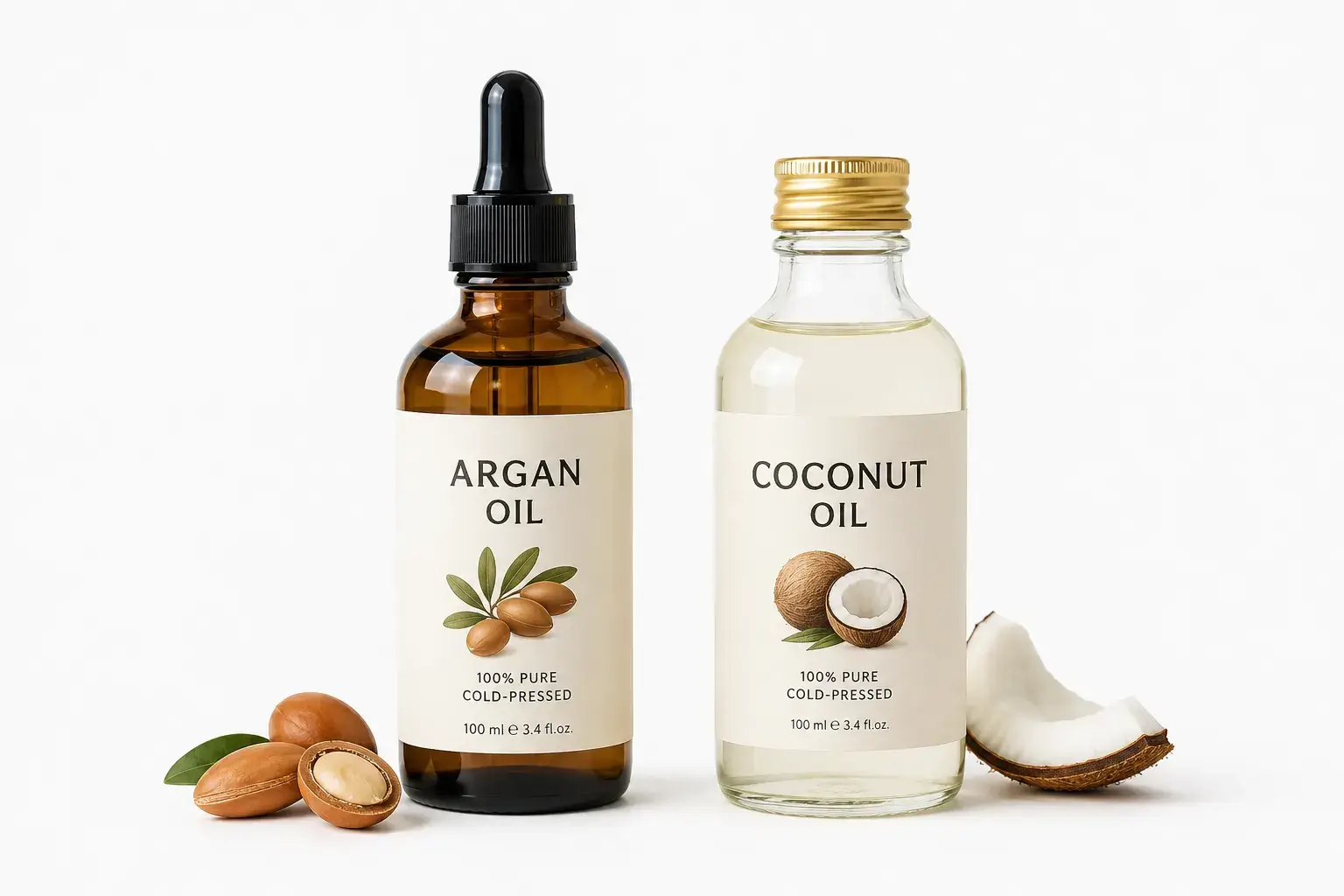
Using facial oils on acne-prone skin once felt counterintuitive. For decades, traditional skincare advice preached removing all traces of oil from the face to prevent breakouts. Today, however, facial oils are celebrated for their ability to restore the skin barrier, calm inflammation, and balance natural sebum production. Yet, not all plant-based oils behave the same way on delicate, breakout-prone skin.
Understanding the Facial Oil Debate for Acne-Prone Skin
Two of the most popular oils on the market are argan oil and coconut oil. Both boast impressive nutritional profiles and natural hydrating properties, but their effects on facial skin could not be more different. While one is praised by dermatologists for regulating oil production without clogging pores, the other frequently lands on the list of common skincare triggers for acne.
To understand which oil is truly better for acne-prone skin, we must evaluate their comedogenic ratings, fatty acid compositions, and how they interact with skin prone to clogged pores and inflammation.
The Comedogenic Scale: How Oils Affect Your Pores
The comedogenic scale ranks ingredients from 0 to 5 based on their likelihood to clog pores and cause acne breakouts:
- 0: Will not clog pores
- 1: Very low risk of clogging pores
- 2: Low risk
- 3: Moderate risk
- 4: High risk
- 5: Very high risk (almost guaranteed to cause breakouts in acne-prone individuals)
When comparing argan oil vs. coconut oil, their scores on this scale present a stark contrast.
Argan Oil: Rating 0
Pure, cold-pressed argan oil has a comedogenic rating of 0. This means it is completely non-comedogenic and virtually incapable of blocking pores, making it exceptionally safe for sensitive, oily, and acne-prone skin types.
Coconut Oil: Rating 4
Raw or unrefined coconut oil sits at a 4 on the comedogenic scale. Its thick molecular structure makes it highly likely to trap bacteria, dead skin cells, and sebum inside the follicle, leading to microcomedones, blackheads, and inflammatory acne breakouts.
Fatty Acid Profiles: Linoleic Acid vs. Lauric Acid
Dermatological research shows that individuals suffering from acne often have a lipid imbalance in their natural sebum. Specifically, acne-prone skin tends to be deficient in linoleic acid (an omega-6 fatty acid) and overabundant in oleic acid (an omega-9 fatty acid). When skin lacks linoleic acid, its natural sebum becomes thick, sticky, and prone to trapping debris in the pores.
| Nutritional Factor | Pure Argan Oil | Unrefined Coconut Oil |
|---|---|---|
| Comedogenic Rating | 0 (Non-Comedogenic) | 4 (Highly Comedogenic) |
| Primary Fatty Acid | Balanced Linoleic & Oleic Acid | Lauric Acid & Myristic Acid |
| Absorption Rate | Fast, lightweight finish | Slow, leaves a heavy surface film |
| Sebum Regulating Capacity | High | None |
| Best Suited For | All skin types, especially acne-prone | Dry body skin, hair care, body moisturizer |
Why Argan Oil Balances Acne-Prone Skin
Argan oil boasts a harmonious balance of roughly 35–40% linoleic acid and 42–48% oleic acid. Because of its generous linoleic acid content, applying pure argan oil helps thin out viscous sebum, making it easier for the pores to clear themselves naturally. Furthermore, argan oil contains high concentrations of Vitamin E (tocopherol), polyphenols, and plant sterols, which calm redness, suppress acne-causing bacteria, and accelerate post-acne wound healing.
Its unique skin benefits aren't limited to facial care either; many users discover that the lightweight moisture of argan oil works wonders across their hair and body. To learn more about its versatile applications, check out our step-by-step guide on using argan oil for hair growth.
The Double-Edged Sword of Coconut Oil
Coconut oil is comprised largely of lauric acid (nearly 50%), a fatty acid known to possess strong antimicrobial properties against Propionibacterium acnes (the bacteria associated with acne). In theory, this sounds ideal for clearing up blemishes. However, the heavy, highly occlusive nature of coconut oil far outweighs its antibacterial benefits for facial skin.
Because coconut oil creates an impenetrable barrier on top of the skin, it traps dead skin cells and environmental debris underneath. For body care—such as dry elbows or heels—coconut oil works as a rich emollient. But when applied to the face, it almost consistently triggers comedones and cystic breakouts in acne-prone individuals.
Argan Oil vs. Coconut Oil: Side-by-Side Comparison for Acne
Summary Verdict: Argan oil is overwhelmingly superior for acne-prone facial skin due to its non-comedogenic nature, sebum-balancing linoleic acid, and rapid absorption rate. Coconut oil should generally be kept away from acne-prone facial areas.
1. Pore Clogging Potential
Argan oil flows effortlessly into the skin without lingering as a surface barrier that suffocates pores. Coconut oil forms a heavy occlusive layer that seals moisture in, but simultaneously seals congestion in.
2. Sebum Regulation
Argan oil actively signals your sebaceous glands to reduce excess oil production. Studies indicate that topically applying argan oil twice daily can visibly decrease overall shine and greasy sebum levels within four weeks. Coconut oil offers no sebum-regulating mechanism.
3. Inflammation and Scarring
Acne isn't just about clogged pores; it is an inflammatory condition. Argan oil’s rich antioxidant profile suppresses inflammatory cytokines, mitigating painful red swellings and reducing the likelihood of post-inflammatory hyperpigmentation (acne scars). Coconut oil can sometimes worsen local inflammation by trapping heat and debris inside active lesions.
How to Safely Incorporate Oils into an Anti-Acne Routine
If you choose to use argan oil on your face, following a clean, mindful application process ensures maximum therapeutic results without congestion.
Step 1: Thorough Cleansing and Exfoliation
Always apply facial oil to thoroughly cleansed skin. Removing dead surface cells ensures that the oil penetrates effectively rather than sitting on top of cellular debris. Incorporating traditional body smoothing rituals, such as those detailed in the Moroccan hammam ritual for softer skin, can significantly improve skin cell turnover across your entire body.
For deep physical exfoliation on the body, using a physical exfoliator like the Moroccan Kessa exfoliating glove helps prevent body acne, keratosis pilaris, and clogged pores on the shoulders and back.
Step 2: Hydrate Before Oil Application
Oils are emollients and occlusives, not humectants. They lock in moisture rather than introducing water. Apply a gentle hydrating toner or serum first, then press 2–3 drops of pure cold-pressed argan oil into slightly damp skin.
Step 3: Complement with Detoxifying Treatments
To keep acne at bay, pair nourishing facial oils with weekly clarifying treatments. Purifying mineral clays help absorb excess oil from deep within the skin pores. For example, learning how to prepare a Moroccan Ghassoul clay mask reveals how natural clays draw out impurities without damaging the skin's protective lipid barrier.
And if you enjoy clean, natural formulations in your daily beauty regimen, exploring artisanal traditional products like Aker Fassi natural lip stains provides a beautiful, non-comedogenic way to complement a minimalist skincare look.
Frequently Asked Questions
Can argan oil cause acne breakouts?
Pure, 100% cold-pressed argan oil has a comedogenic rating of 0 and is extremely unlikely to cause breakouts. However, if the product is diluted with cheap filler oils (like mineral oil or isopropyl myristate), those added ingredients can clog pores. Always ensure you are using pure, unrefined argan oil.
Why does coconut oil make me break out?
Coconut oil contains high amounts of lauric and myristic acids, which give it a high comedogenic rating of 4. Its large lipid molecules form an occlusive film over your pores, trapping sebum, bacteria, and dead skin cells underneath, which leads to inflammatory breakouts.
Can I use coconut oil as a double-cleansing oil for acne?
While some people use coconut oil to melt away makeup, it can be very difficult to wash off completely. Residue left behind in the pores often leads to delayed breakouts. Non-comedogenic oils like argan, jojoba, or sunflower oil are much safer options for oil cleansing.
How long does it take for argan oil to balance oily skin?
With consistent twice-daily application on damp skin, most people notice a visible reduction in excess shine and improved skin texture within 2 to 4 weeks as the skin's lipid barrier restores its balance.
Final Verdict
When weighing argan oil vs. coconut oil for acne-prone skin, argan oil emerges as the clear, undisputed winner. Its 0 comedogenic rating, balanced fatty acid profile, high antioxidant content, and proven sebum-regulating properties make it a powerful ally for achieving a calm, hydrated, and clear complexion. Keep the coconut oil for your hair treatments or body lotions, and stick to pure cold-pressed argan oil for your facial care routine.