Can Rose Water Flare Rosacea? What Dermatologists Say About Calming Facial Redness
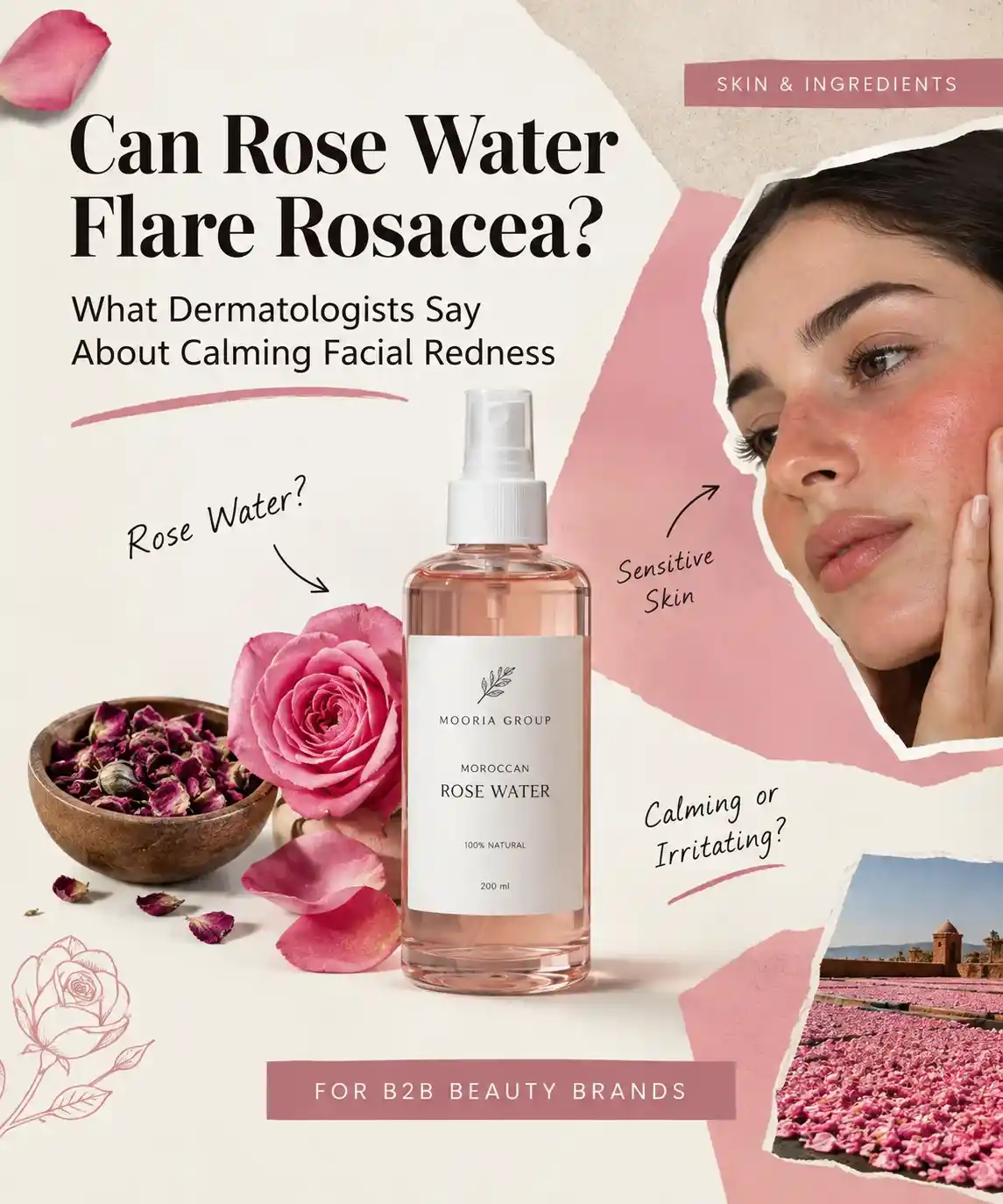
When you are living with rosacea or hypersensitive skin, introducing any new product into your daily skincare routine feels like a high-stakes gamble. A single wrong ingredient can transform a smooth complexion into a burning, flushed, and irritated flare-up that takes days or even weeks to subside. Among natural botanical remedies, rose water (frequently produced as pure rose hydrosol) is often celebrated as a gentle, soothing toner designed to calm inflammation and refresh tired skin. However, many rosacea sufferers ask a crucial question: Can rose water actually flare rosacea?
The short answer is: It depends entirely on the purity of the rose water, the presence of added ingredients like alcohol or synthetic fragrances, and your individual skin triggers. While pure steam-distilled rose hydrosol contains bioflavonoids and anti-inflammatory compounds that can soothe mild erythema, commercially available rose waters often contain hidden irritants that provoke severe flushing.
In this comprehensive guide, we will explore what dermatologists say about rose water, how to identify skin-safe botanical formulations, what triggers rosacea redness, and how to safely navigate natural skincare when dealing with reactive, compromised skin barriers.
Understanding Rosacea: A Fragile Skin Barrier
To understand how rose water affects rosacea, it is vital to first understand what occurs beneath the skin’s surface during a flare-up. Rosacea is a chronic inflammatory dermatological condition primarily characterized by facial erythema (redness), telangiectasia (visible blood vessels), papules, pustules, and heightened vascular reactivity.
Dermatological research highlights that individuals with rosacea typically possess a compromised skin barrier and an hyper-reactive innate immune system. Because the epidermal lipid barrier is impaired, moisture escapes easily (leading to transepidermal water loss), while external irritants easily penetrate the skin, triggering neurovascular responses. As a result, ingredients that feel completely harmless to someone with normal skin can cause immediate burning, stinging, or flushing in someone with papulopustular or erythematotelangiectatic rosacea.
Can Rose Water Trigger a Rosacea Flare-Up?
Yes, rose water can trigger a rosacea flare-up, but the underlying reason usually comes down to the formulation rather than the rose petal distillate itself.
"While pure rose hydrosol possesses anti-inflammatory properties, many bottled 'rose waters' sold on the market are formulated with denatured alcohol, essential oils, or artificial fragrances—all of which are well-documented triggers for rosacea."
Here are the primary reasons why a rose water product might irritate rosacea-prone skin:
1. Added Denatured Alcohol or Solvents
Many commercially packaged floral toners use alcohol (such as SD alcohol, alcohol denat, or ethanol) as an astringent or preservative. For rosacea, alcohol is a known trigger that strips natural lipids, damages the skin barrier, and instantly dilates blood vessels, leading to intense flushing.
2. Natural Fragrance Compounds and Essential Oils
Even if a product is labeled 100% natural, roses inherently contain volatile aromatic compounds such as geraniol, citronellol, and eugenol. While these give rose water its signature floral scent, aromatic compounds can act as contact allergens or irritants for hypersensitive skin. Furthermore, if a brand adds concentrated rose essential oil (Rosa damascena flower oil) back into the toner, the potency may exceed what delicate vascular skin can tolerate.
3. Synthetic Fragrances and Artificial Colors
Lower-grade skincare products often mimic rose water by blending tap water with synthetic fragrances and red or pink dyes. Artificial fragrances are among the leading causes of contact dermatitis worldwide and should be strictly avoided by anyone managing facial redness.
4. Chemical Preservatives and Contaminants
Because pure botanical hydrosols consist primarily of water, they require strict micro-filtration or safe preservative systems to prevent microbial contamination. Unstable preservatives, parabens, or high concentrations of phenoxyethanol can cause stinging upon application.
The Potential Benefits of Pure Rose Water for Facial Redness
If you source pure, unadulterated, steam-distilled rose hydrosol without additives, it can offer noticeable benefits for mild skin sensitivity. Pure rose hydrosol contains water-soluble floral extracts that possess natural soothing qualities:
- Rich in Polyphenols & Flavonoids: Steam-distilled rose distillate contains natural antioxidants that assist in neutralizing oxidative stress on the skin.
- Mildly Astringent & Anti-Inflammatory: Natural tannins found in rose petals help temporarily soothe minor skin inflammation without aggressively stripping moisture.
- pH Balancing: High-quality rose hydrosol generally has a slightly acidic pH (between 4.5 and 5.5), which aligns naturally with the skin's acidic mantle, supporting barrier integrity.
For individuals looking to understand how natural skincare sourcing impacts skin tolerance, choosing products created through clean processing is critical. You can read more about responsible botanical processing in our analysis of sustainable cosmetics sourcing and clean beauty practices.
How Dermatologists Evaluate Botanical Toners for Rosacea
Dermatologists generally advise caution when incorporating botanical toners into a rosacea skincare regimen. The consensus among clinical skin specialists revolves around a few key principles:
| Criteria | Recommended for Rosacea | Avoid for Rosacea |
|---|---|---|
| Ingredient List | Single ingredient (e.g., 100% Rosa Damascena Distillate) | Contains Alcohol Denat, Fragrance, Parfums, Dyes |
| Texture & Method | Gentle misting or soft press into skin | Vigorous rubbing with rough cotton pads |
| Preservation | Micro-filtered, dark glass packaging, mild system | Unpreserved open bottles subject to bacterial growth |
| Formulation Type | Steam-distilled true hydrosol | Water mixed with essential oils and emulsifiers |
When selecting cleansing or toning products, avoiding harsh mechanical friction is just as important as ingredient safety. For instance, while some cleansing rituals work wonders for resilient skin, those with reactive complexions often ask whether traditional remedies work for them. Read our detailed clinical breakdown on whether gentle traditional soaps can be used on sensitive facial skin.
Step-by-Step: How to Safe-Test Rose Water on Reactive Skin
If you wish to test a high-quality rose water to see if your skin tolerates it, follow this dermatologist-approved patch-testing protocol to prevent a full-face vascular reaction:
- Inspect the INCI Label: Ensure the ingredient list contains only one ingredient—such as Rosa Damascena Flower Water or Rosa Centifolia Flower Distillate—with no added alcohol or artificial parfum.
- Apply to a Control Area: Apply a small spray or dab of the product to the inner side of your wrist or behind your ear twice daily for three consecutive days. Watch for itching, bumps, or redness.
- Perform a Facial Patch Test: If the arm test shows no reaction, apply a small drop along your jawline or lower neck (areas close to the face but less vascular than the cheeks) for two days.
- Introduce Gradually: If no stinging, burning, or redness occurs, mist lightly onto your face once every other day, monitoring for any delayed flushing.
Alternative and Complementary Ingredients for Calming Redness
While rose water may work for some, other ingredients have stronger clinical backing for actively restoring a damaged skin barrier and suppressing inflammatory flushing:
1. Centella Asiatica (Cica)
Containing active triterpenes like madecassoside and asiaticoside, Cica is exceptional at accelerating barrier recovery, decreasing redness, and hydrating micro-damaged tissue.
2. Niacinamide (Vitamin B3) at Low Concentrations
At low percentages (2% to 5%), niacinamide strengthens epidermal lipid synthesis, increases ceramide production, and lowers vascular sensitivity. (Note: High concentrations above 10% may cause flushing in rosacea patients).
3. Natural Mineral Clays (Used Selectively)
While heavy detoxification can sometimes dry out sensitive complexions, certain mineral-rich clays like Ghassoul provide gentle mineral replenishment without stripping skin. Learn how different natural clays compare in our guide to Moroccan red clay versus Ghassoul clay for delicate skin treatments.
4. Herbal Powders and Soothing Botanical Oils
Pure botanical remedies have long been utilized across historical beauty traditions to soothe skin irritations and restore balance. Discover the wider application of clean plant ingredients in our article on why pure botanical powders remain essential for clean beauty formulas.
However, caution should always be exercised with potent aromatic or clarifying treatments. For example, formulas designed for oily or congested skin—such as those featuring eucalyptus—may prove too intense for facial rosacea. Read more about eucalyptus clarifying formulations and skin barrier considerations before introducing active clarifying treatments.
Daily Routine Tips for Managing Rosacea and Redness
Beyond individual products, managing facial flushing requires a holistic, gentle approach to daily skin maintenance:
- Wash with Lukewarm Water: Hot water causes rapid vasodilation (blood vessel enlargement), while icy cold water can shock fragile capillaries. Always use tepid water.
- Simplify Your Routine: Adopt a minimalistic regimen: a gentle non-foaming cleanser, a hydrating barrier cream containing ceramides, and a mineral-based zinc oxide sunscreen.
- Mineral Sunscreen is Non-Negotiable: UV radiation is a primary trigger for rosacea flares. Physical blockers like zinc oxide provide broad-spectrum protection while actively sitting on top of skin to soothe irritation.
- Keep a Trigger Journal: Keep track of dietary triggers (spicy foods, hot beverages, alcohol), environmental factors (wind, extreme temperatures), and topical products that correlate with flushing episodes.
Frequently Asked Questions
Is rose hydrosol different from rose water?
Yes. Pure rose hydrosol is the authentic botanical water produced as a co-product during the steam-distillation of rose essential oil. It contains water-soluble micro-nutrients of the plant without added chemicals. Standard commercial "rose water" is often just distilled water mixed with rose essential oil, fragrance, emulsifiers, and alcohol.
Can rose water cause a burning sensation on rosacea skin?
Yes. If your skin barrier is currently damaged or raw, even pure rose water may cause a temporary stinging sensation. Additionally, if the product contains alcohol, preservatives, or high levels of natural volatile aromatic compounds (like geraniol), it can trigger vascular burning and localized redness.
What is the safest way to soothe a active rosacea flare-up?
During an acute flare-up, strip your routine back to the absolute basics. Stop using all active exfoliants, botanicals, and toners. Use a mild, fragrance-free cleanser, apply a ceramide-rich barrier repair moisturizer, and apply zinc oxide mineral sunscreen. Consult a board-certified dermatologist for prescription topical treatments like ivermectin, azelaic acid, or metronidazole if redness persists.
Are other floral waters safer for rosacea than rose water?
Pure German Chamomile hydrosol and Centella Asiatica water are often considered exceptionally soothing for vascular redness due to their lower concentration of volatile aromatic compounds compared to rose or lavender waters. However, individual sensitivity varies, and patch testing remains essential.
Final Takeaway
Rose water is not an absolute enemy of rosacea, nor is it a guaranteed miracle cure. Pure, organic, steam-distilled rose hydrosol possesses genuine anti-inflammatory properties that may complement mild, non-reactive skin routines. However, commercial rose waters laden with denatured alcohol, synthetic perfumes, or concentrated essential oils are frequent triggers for facial redness and vascular flushing.
If you choose to incorporate rose water into your daily care, prioritize unadulterated hydrosols, read every ingredient label carefully, and always perform a patch test before full application. When in doubt, prioritize proven barrier-repair ingredients like ceramides, hyaluronic acid, and zinc oxide to maintain a calm, healthy skin barrier.